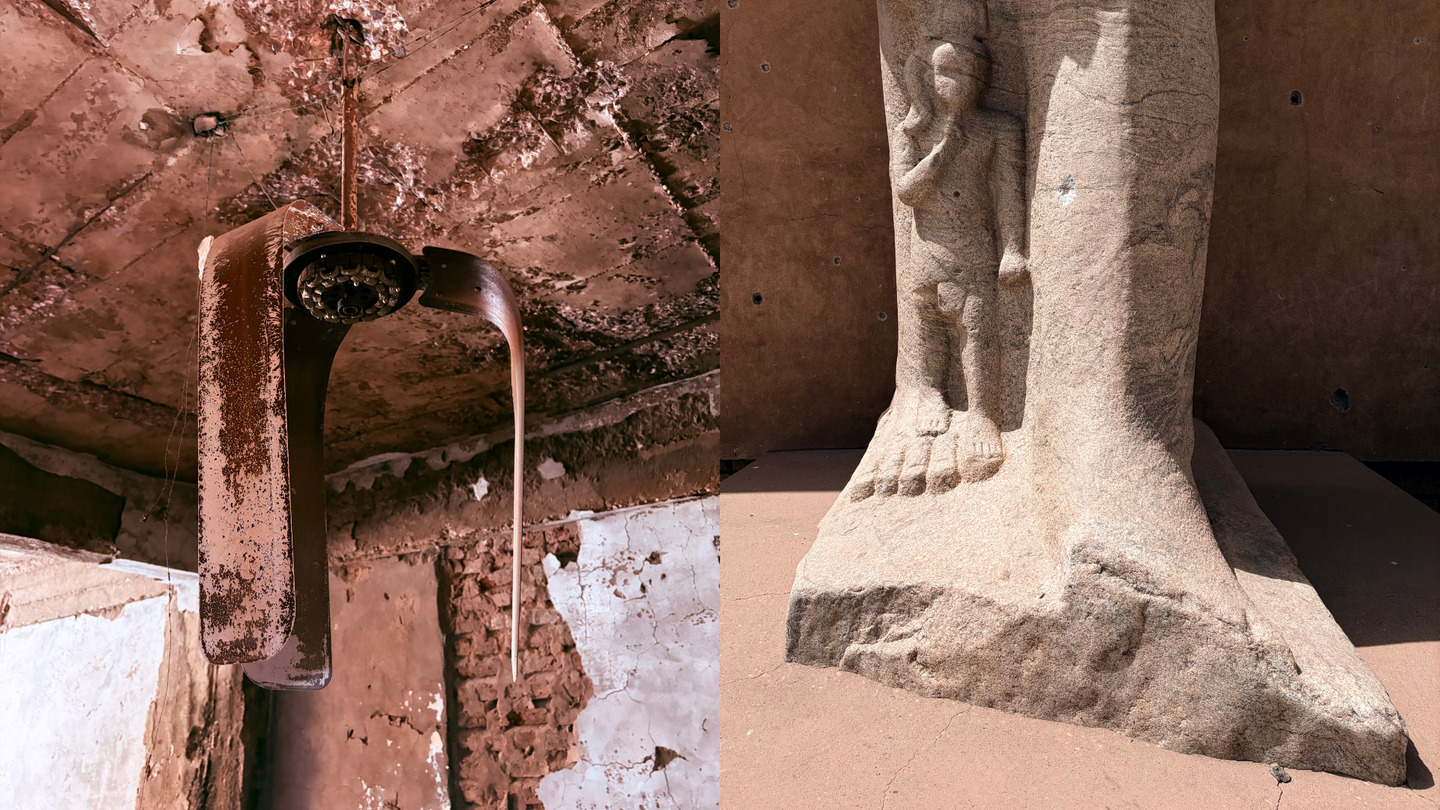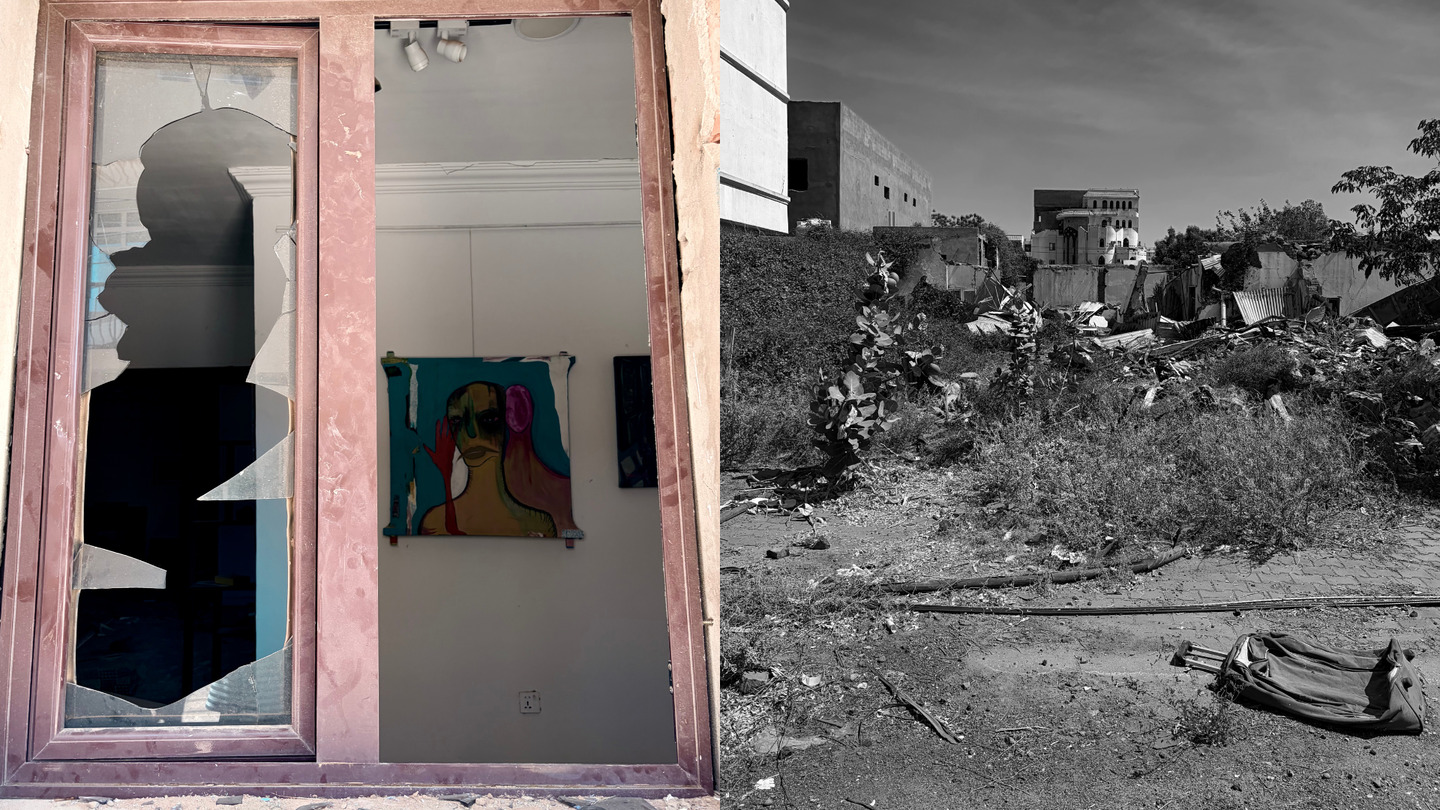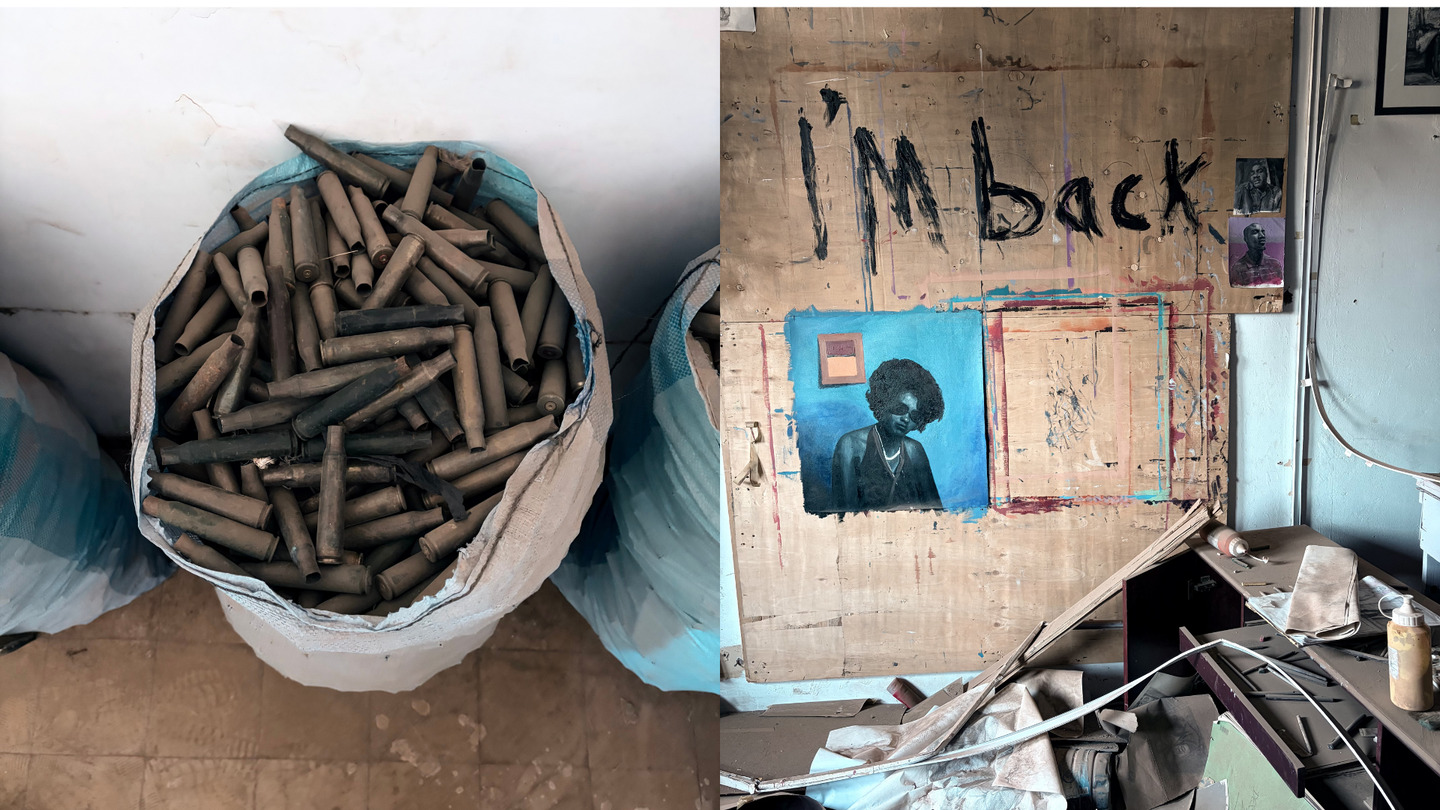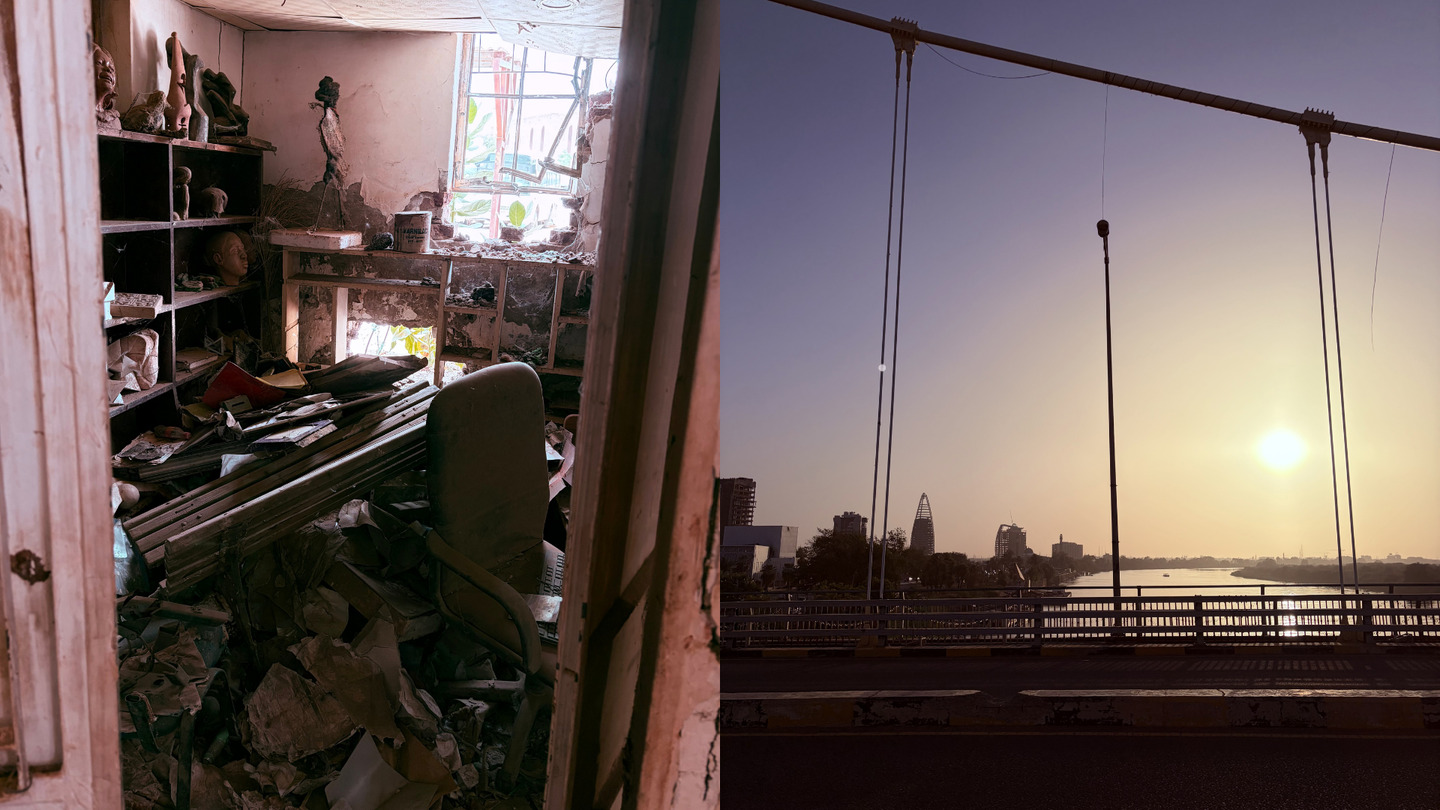
Taxi AL Khartoum is an ongoing photographic and research-based project that explores how movement can become a way of remembering a city transformed by war.
Growing up, I experienced Khartoum through my father, who worked as a taxi driver for many years. My earliest understanding of the city was not shaped by maps or monuments, but through routes, conversations, traffic, shortcuts, and the everyday rhythm of driving. The taxi became my first way of learning the city.
Three years after the outbreak of war in Sudan, I returned to Khartoum on 15 April 2026, the same date the war had begun in 2023. Returning on that symbolic anniversary transformed the journey into more than a personal visit, it became an act of witnessing.
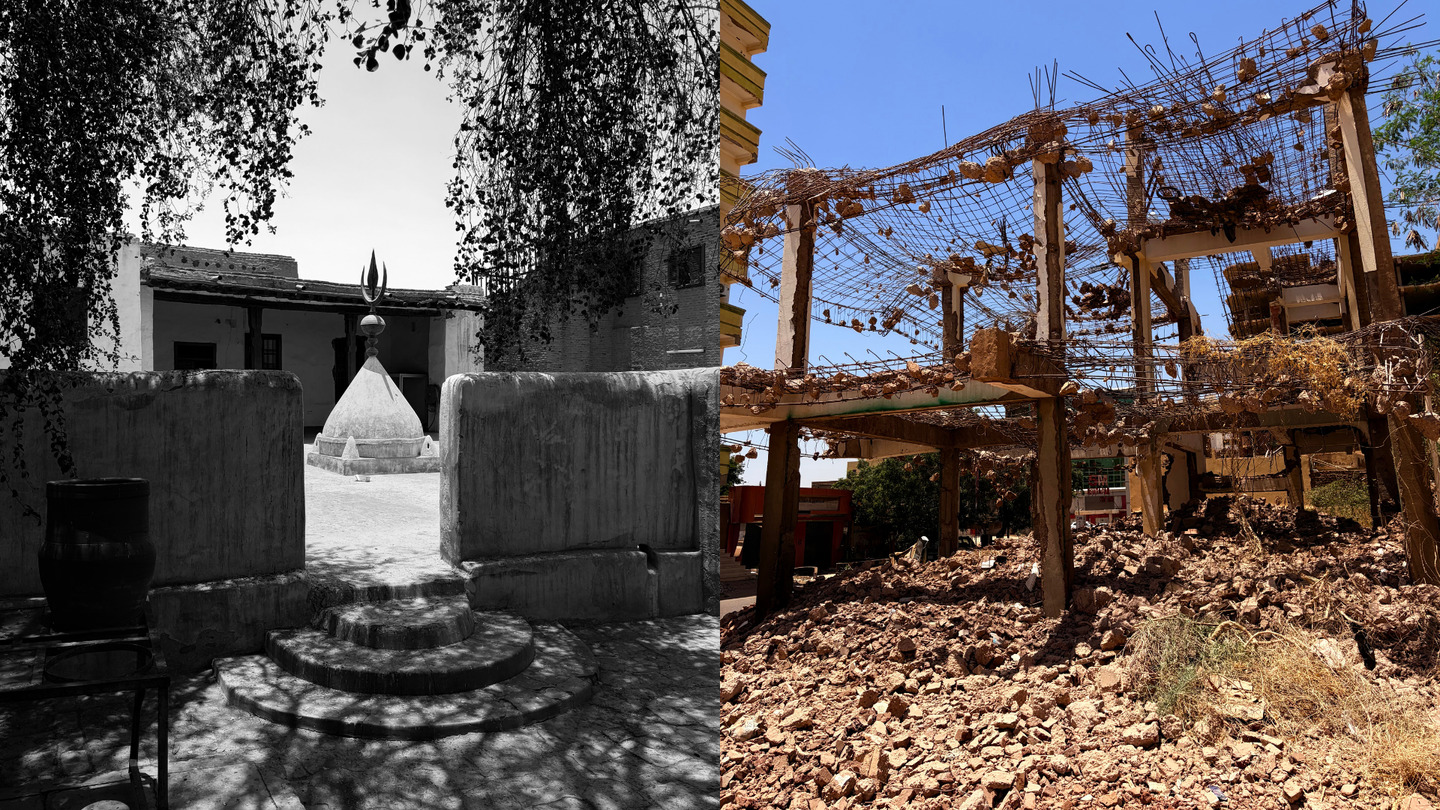
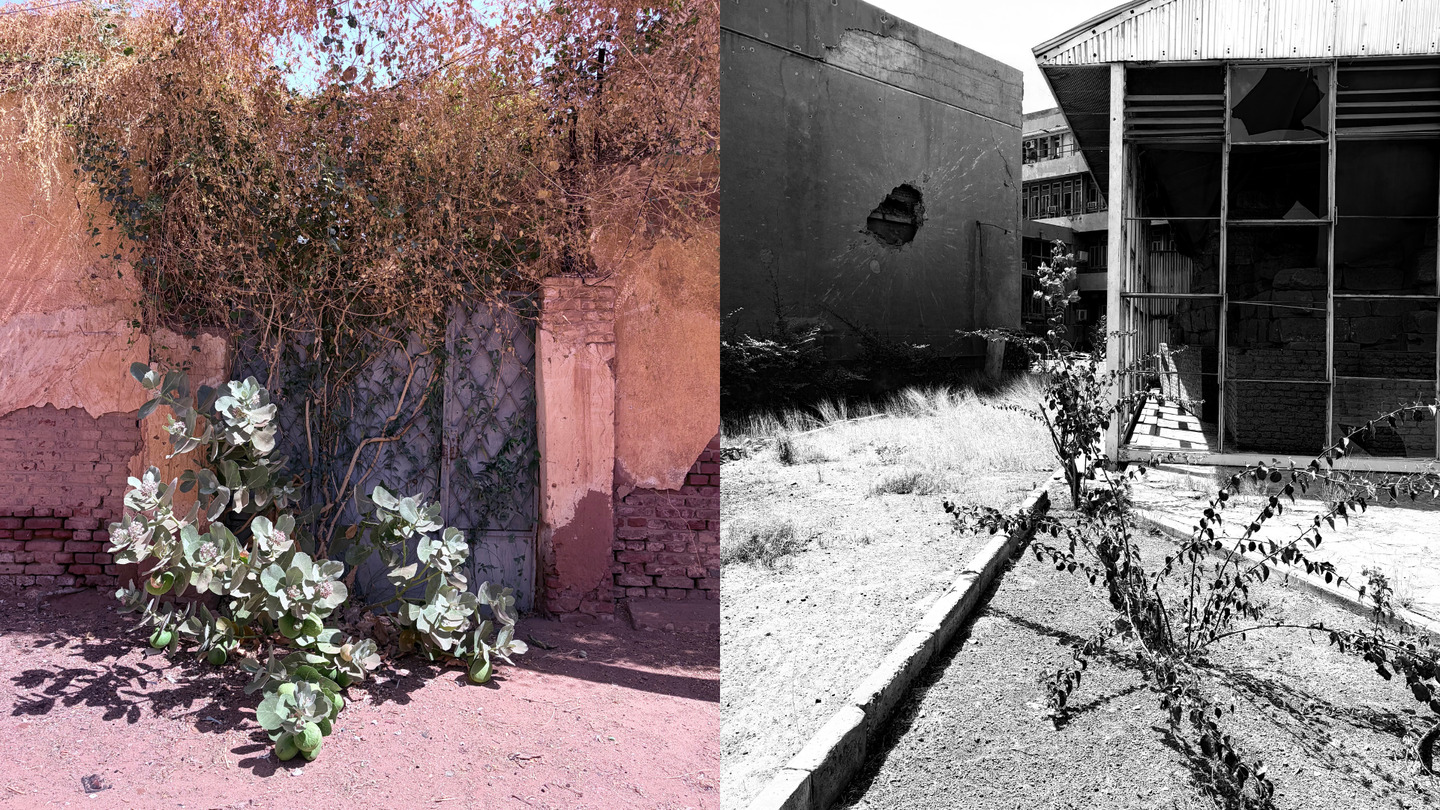
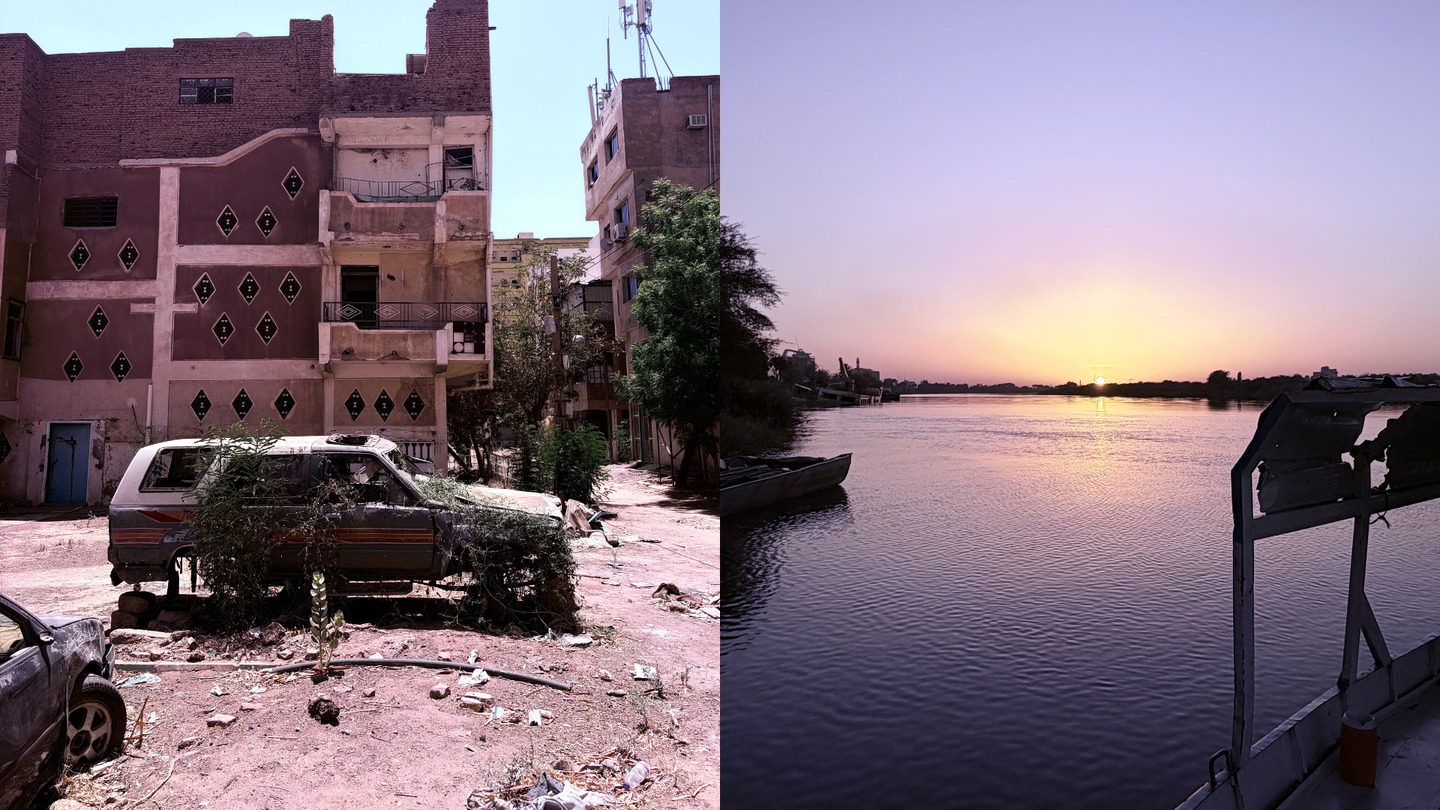
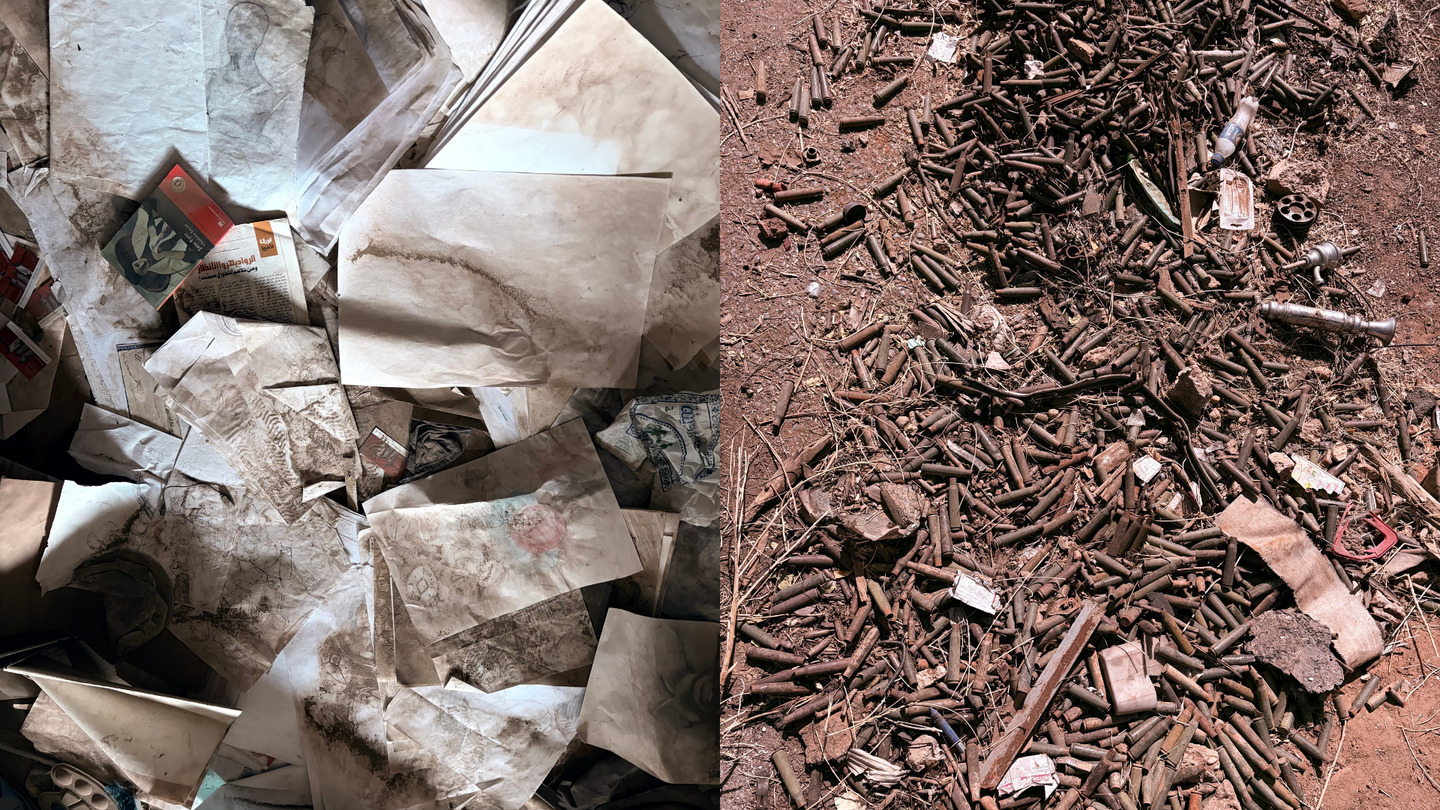
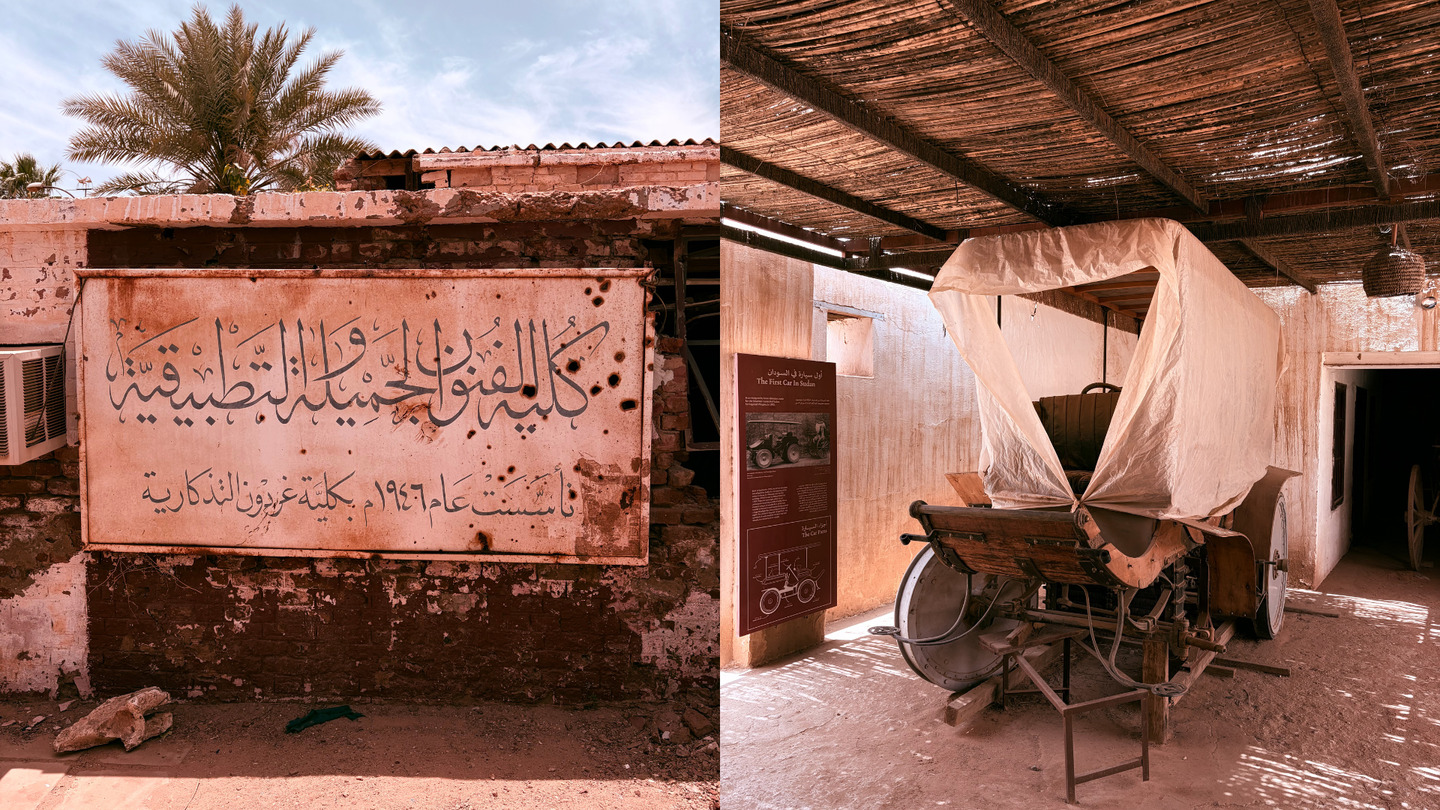
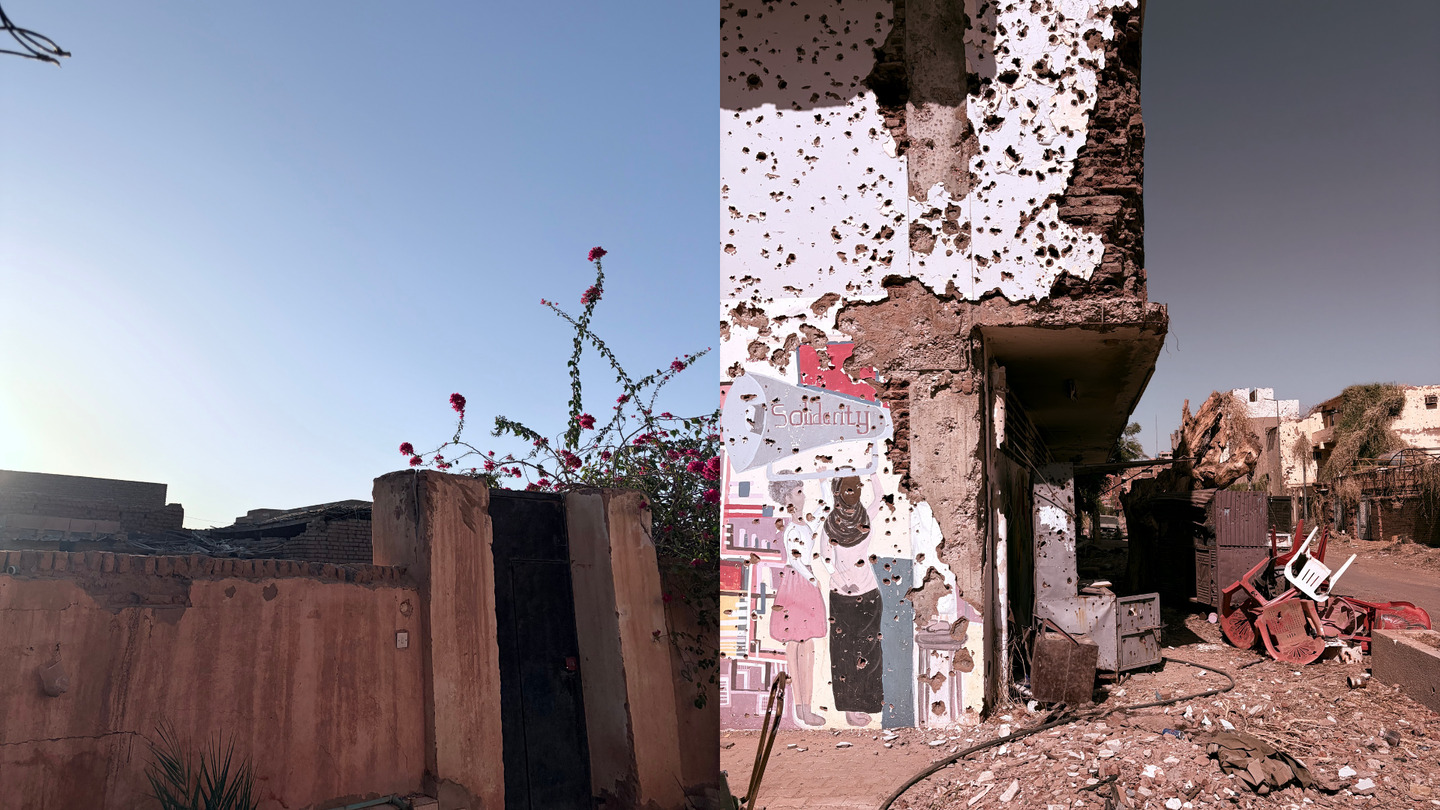
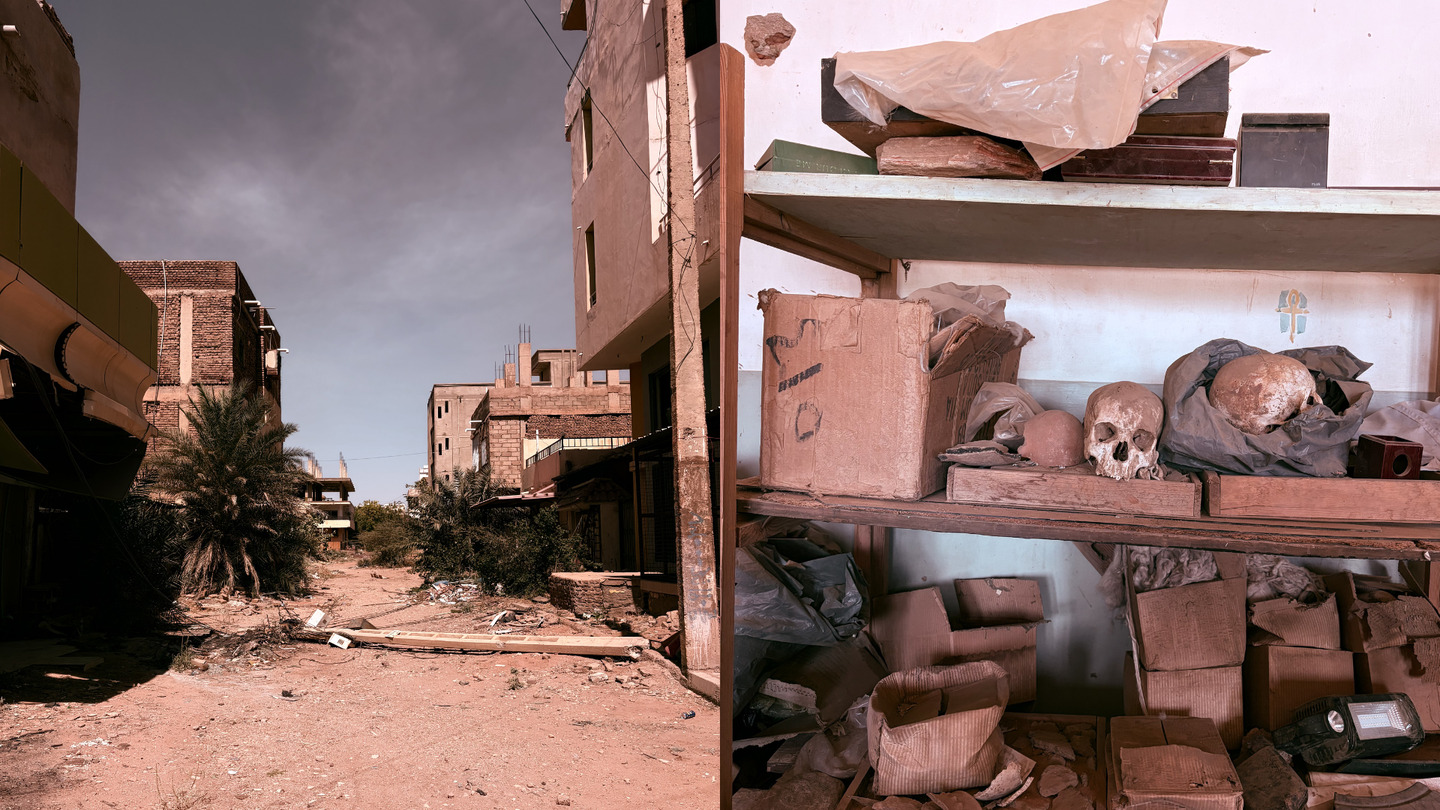
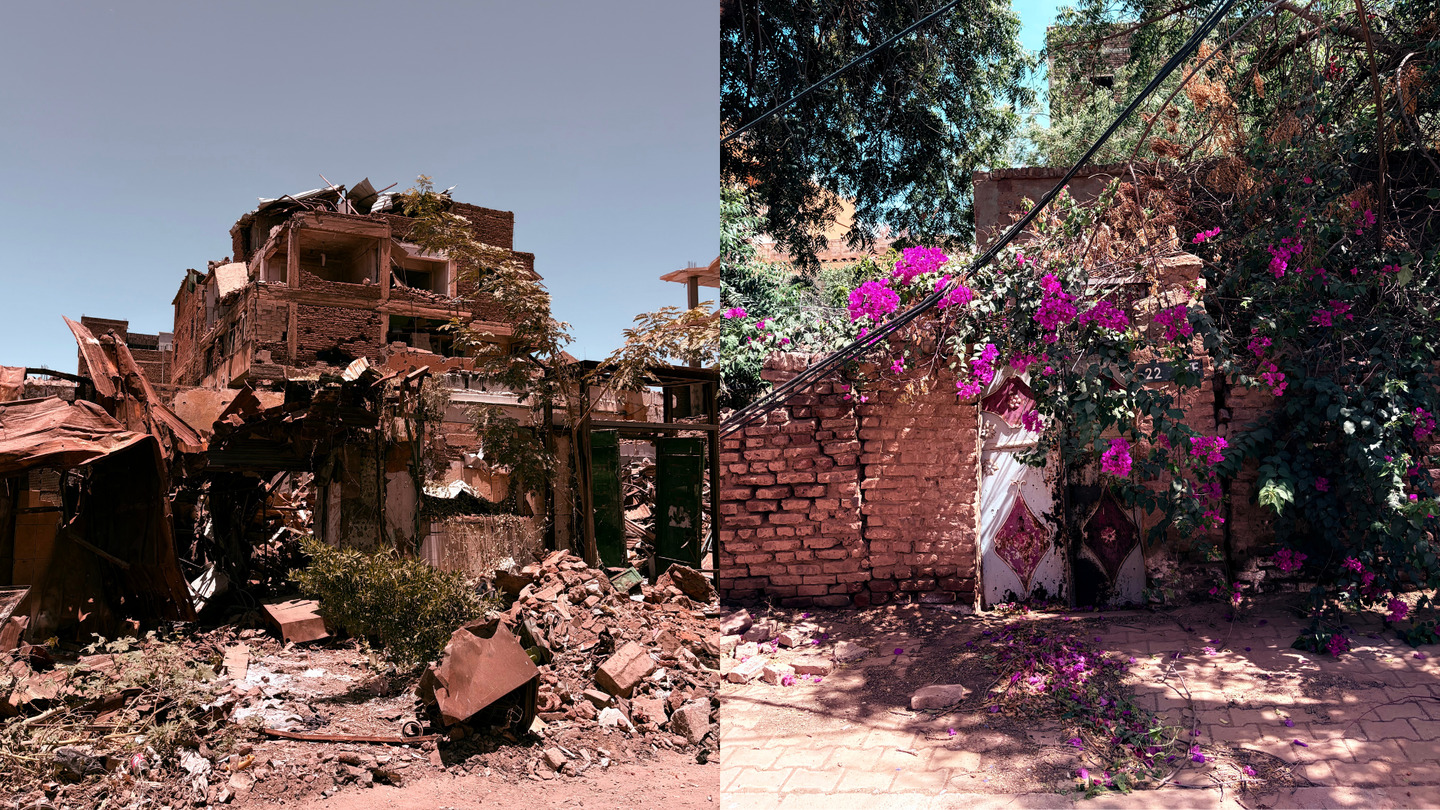
Travelling once again through the city by taxi, I revisited places that had shaped my artistic life: my abandoned studio, the College of Fine and Applied Arts, museums, galleries, streets, neighborhoods, and the homes of friends and family. Some places had disappeared, others remained physically intact but profoundly altered. The routes themselves had changed. Roads had become barriers, familiar landmarks had acquired new meanings, and movement through the city revealed the invisible geography of war.
Rather than documenting destruction alone, Khartoum Taxi examines how cities survive through memory, repetition, and movement. The taxi functions not simply as transportation but as a moving archive, a space where stories, observations, and fragments of everyday life continue to circulate despite conflict.
The project combines photography, mapping, archival materials, personal narratives, and field notes collected during these journeys. Each image becomes part of a larger attempt to reconstruct a city whose geography has been fractured by violence but continues to exist through the memories and movements of those who return.
Ultimately, Khartoum Taxi asks how a city can still be remembered when its physical landscape has been irrevocably transformed, and whether movement itself can become a method of rebuilding memory.