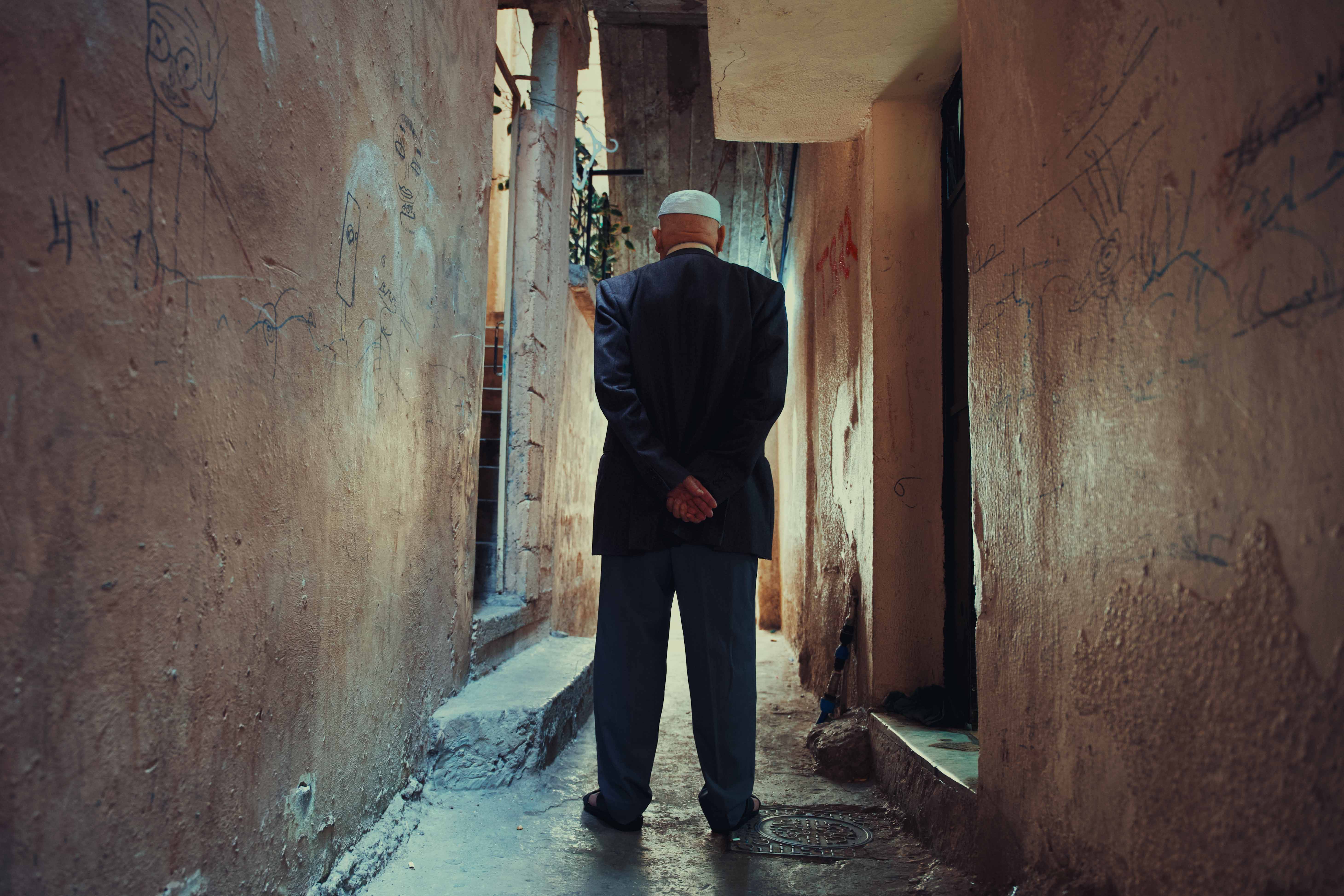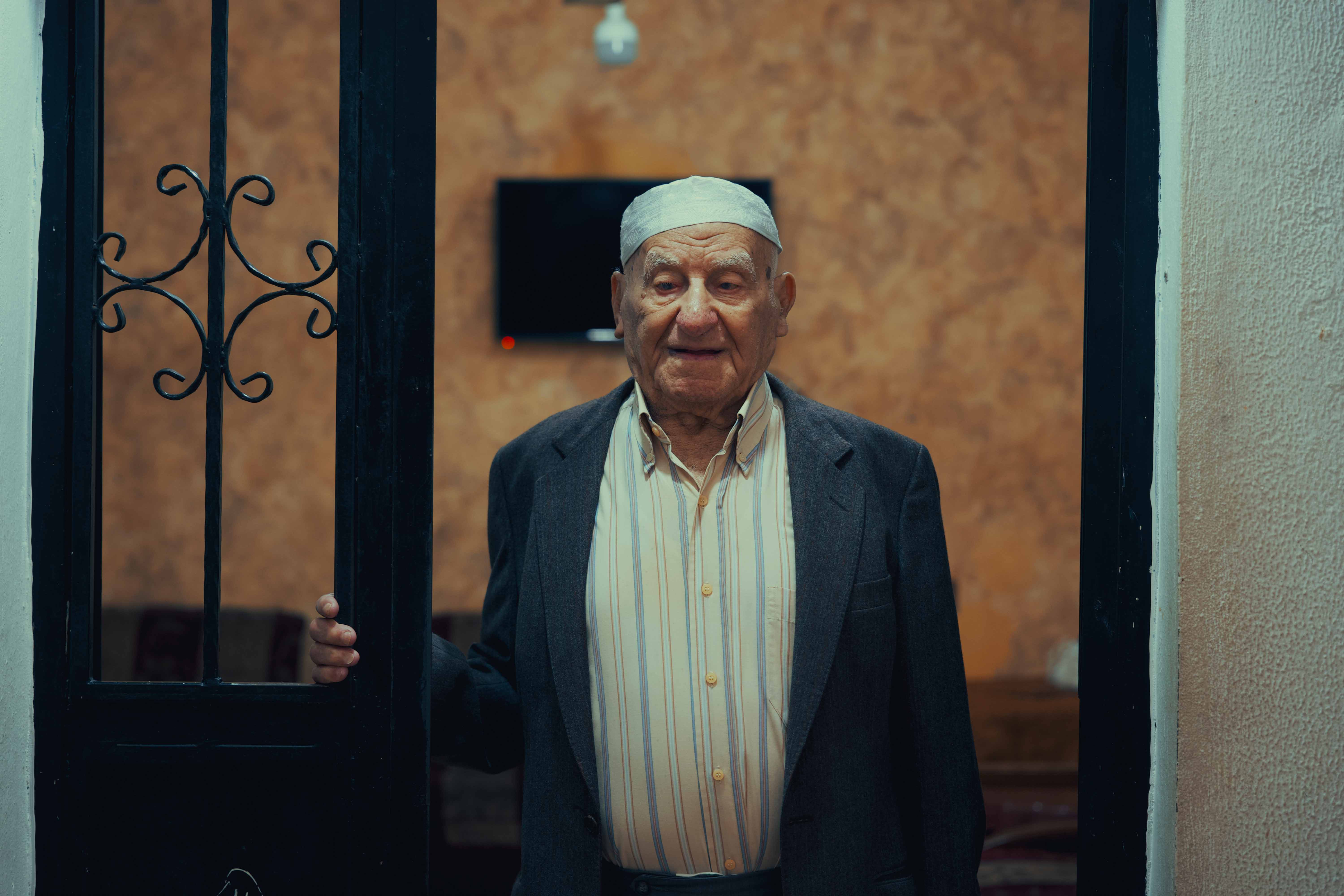
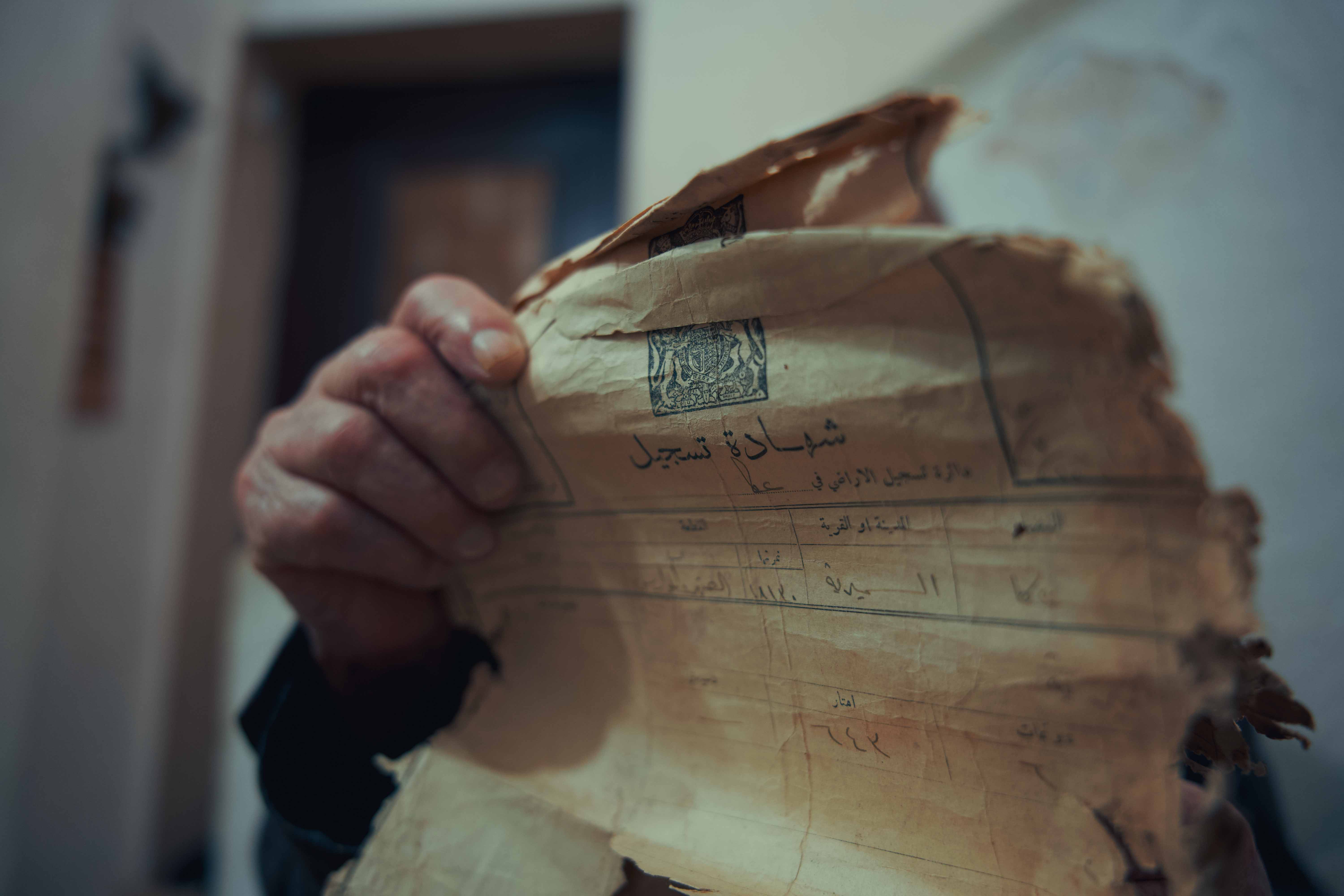
“We Left with Nothing but the Land Deeds,” says Rashid Abdel Ghani, a Palestinian refugee from the village of Al-Sumayriyya, now living in Ain al-Hilweh refugee camp in Lebanon. Rashid was sixteen years old when he was forced to leave his village in 1948. There was no time for farewells; people carried only what they could, while his family carried the kawasheen — the land deeds that remained proof of their ownership.
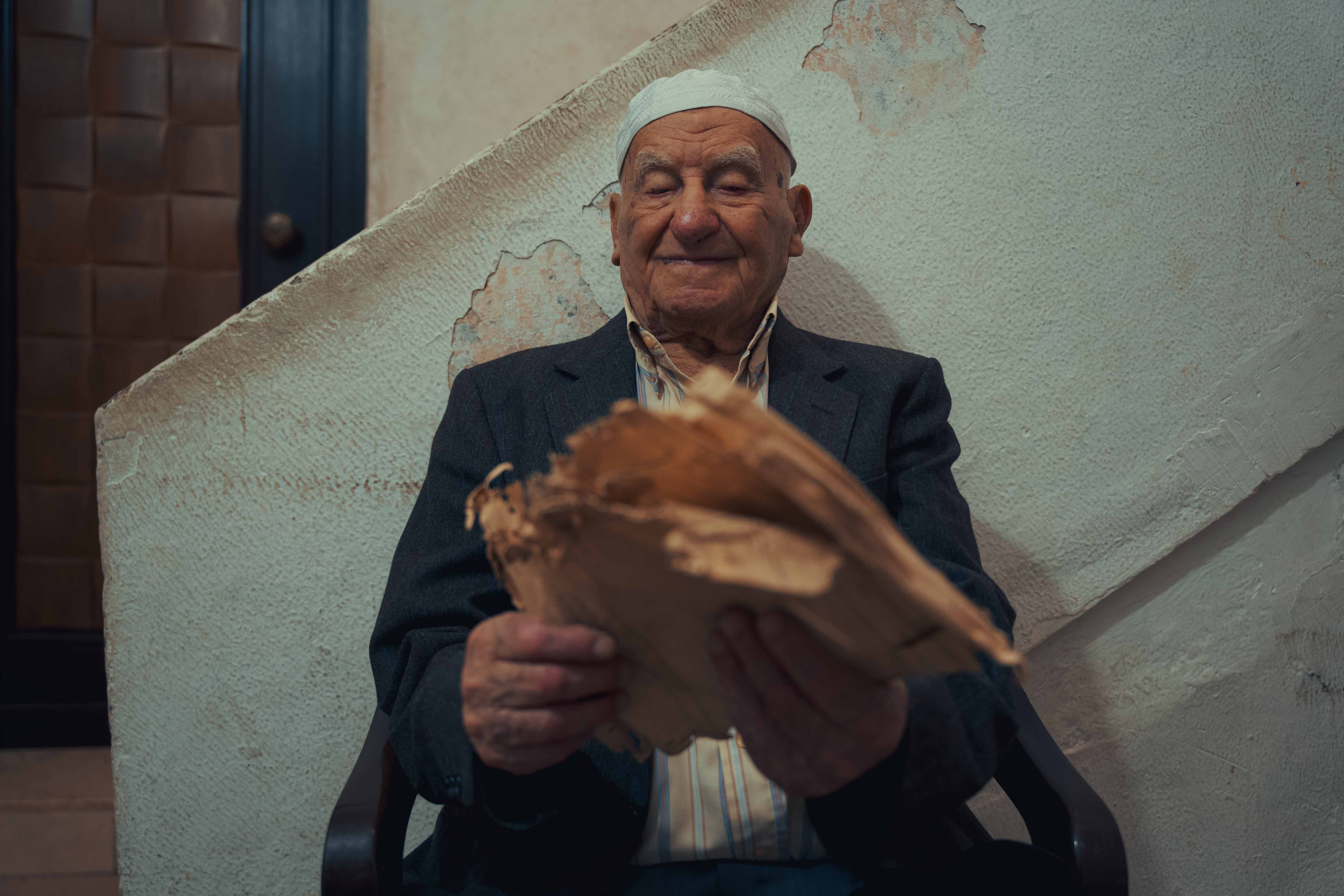
In May, after the fall of Haifa and Safad, Al-Sumayriyya came next. Its residents were forcibly displaced. They walked from al-Sumayriyya to Yarka, then to Tarshiha, eventually reaching Bint Jbeil in Lebanon. Rashid recalls the journey, saying:“We spent about a week on the road, sleeping under olive trees. ”Later, a contractor from Sidon working with the United Nations transported them to Sidon, where a new life began inside tents and along narrow alleyways that, over time, became known as refugee camps.
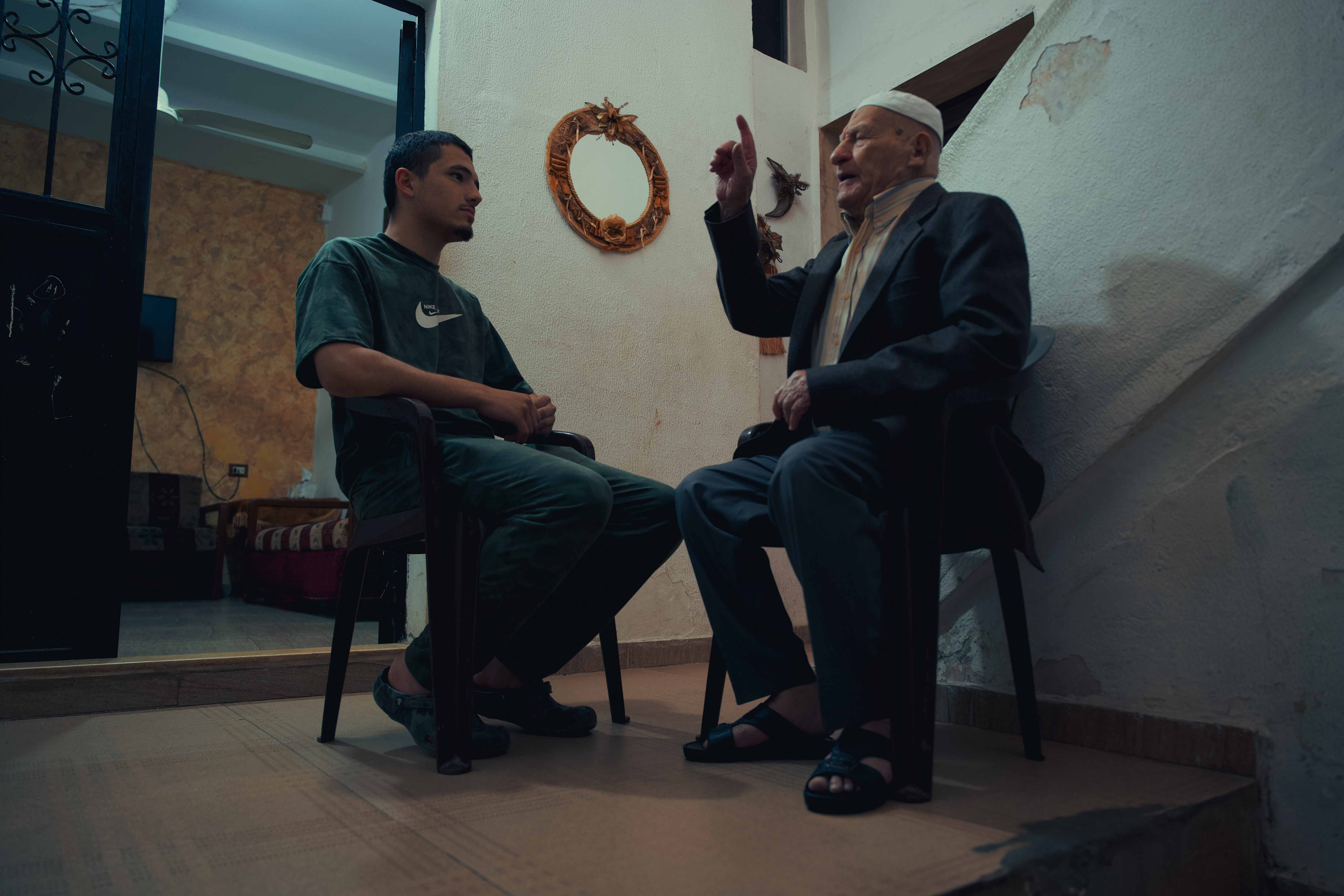
Yellow papers crossed borders and survived decades of displacement, passed down from one hand to another, from one generation to the next. Rashid says “These deeds — copies of them exist in Britain — prove that the land belongs to us, but they refuse to recognize them.” Today, Mohammad Rashid Abdel Ghani lives in Ain al-Hilweh camp and still tells his grandchildren about the land, the olive trees, and the harvest seasons. Despite decades of exile and waiting, his heart still points in one direction: Al-Sumayriyya.