Badriya Abdel Ghani Othman, a Palestinian refugee living in Nahr al-Bared camp in northern Lebanon, never parts with a small object hanging from a string around her neck. Every time she touches it, it feels as though she is holding her father’s hand — as if the road back to Safad comes one step closer.
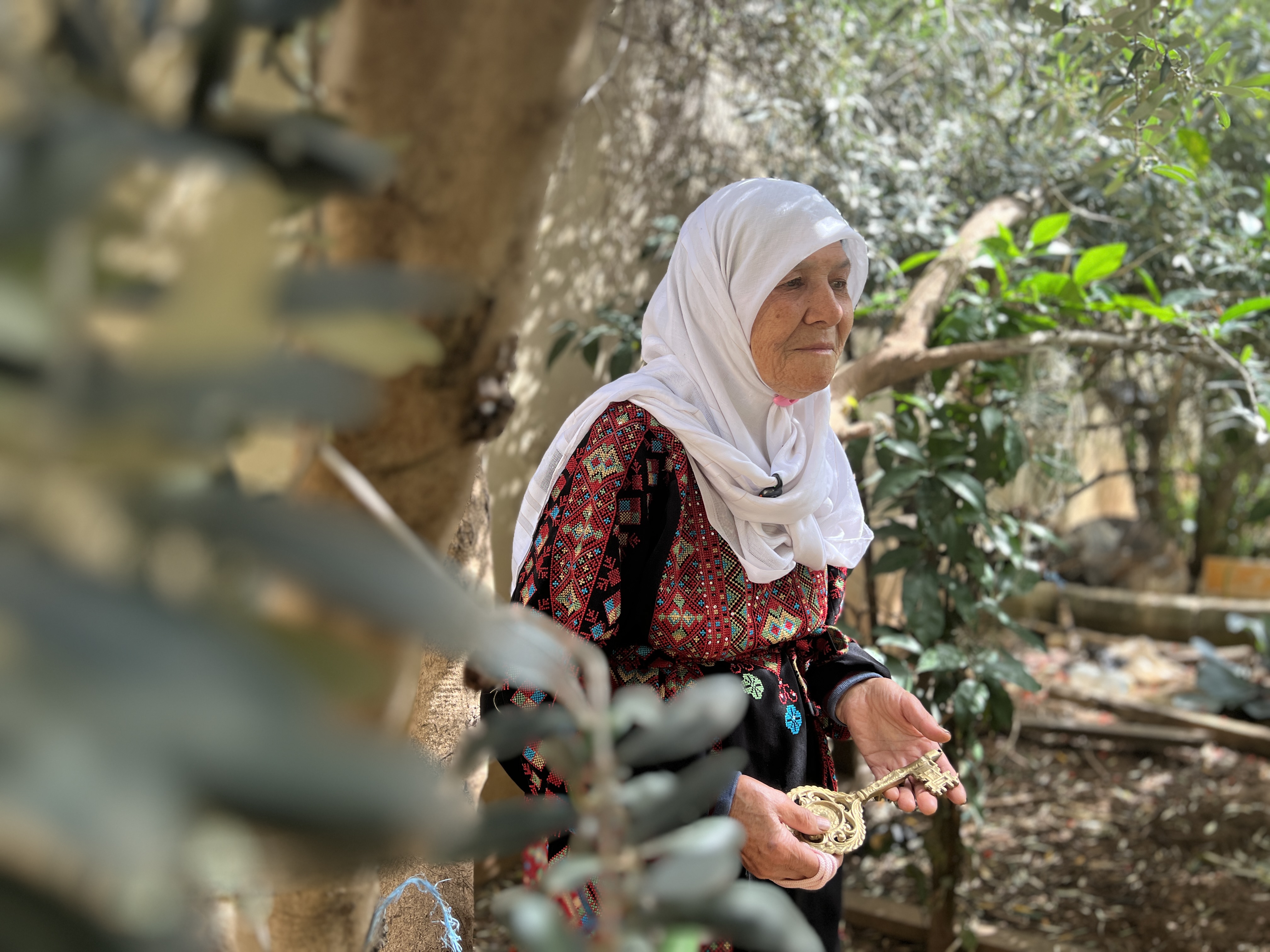
At first, the key did not belong to her, but to her father — a man who left Palestine during the Nakba carrying only what he could manage, believing he would return within days. He took very little with him, only things he thought would sustain him temporarily… among them, the key to a mill in Wadi al-Tawahin in Safad.
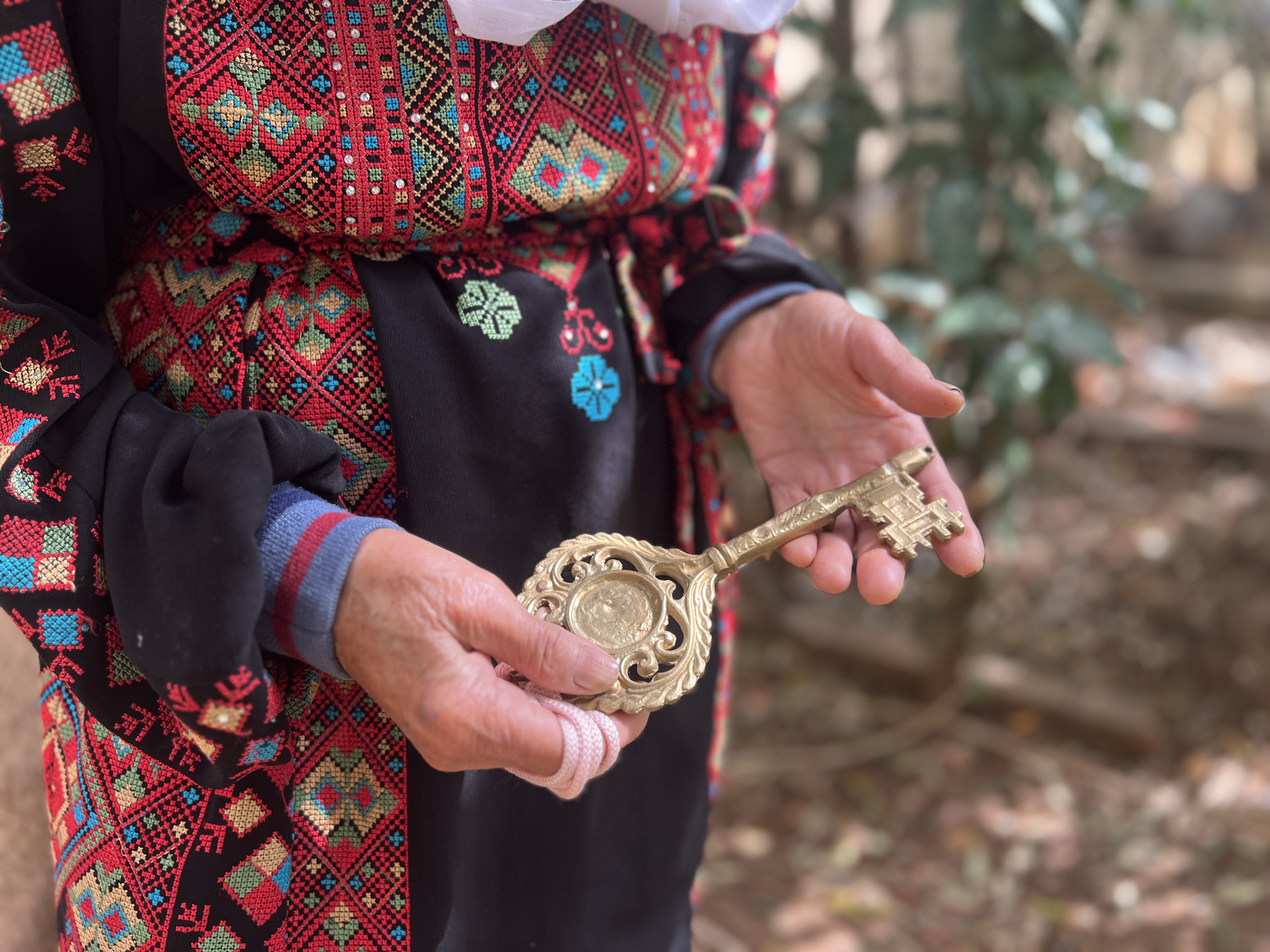
He used to tell her stories about Palestine — about Safad, the homes, its people, and the life he once had there. He spoke about working as a fisherman and about days that were simple, yet filled with dignity. One day, she asked him for the key.“Let me take it… I want to wear it around my neck,” she told him.From that moment on, the key became part of her.“I kept it because it reminds me of Palestine,” Badriya says. “I wish I could go back there.”Even when she was displaced from Nahr al-Bared camp, the key was the first thing she carried with her.“This key means that Palestine is my country and my home,” she says.
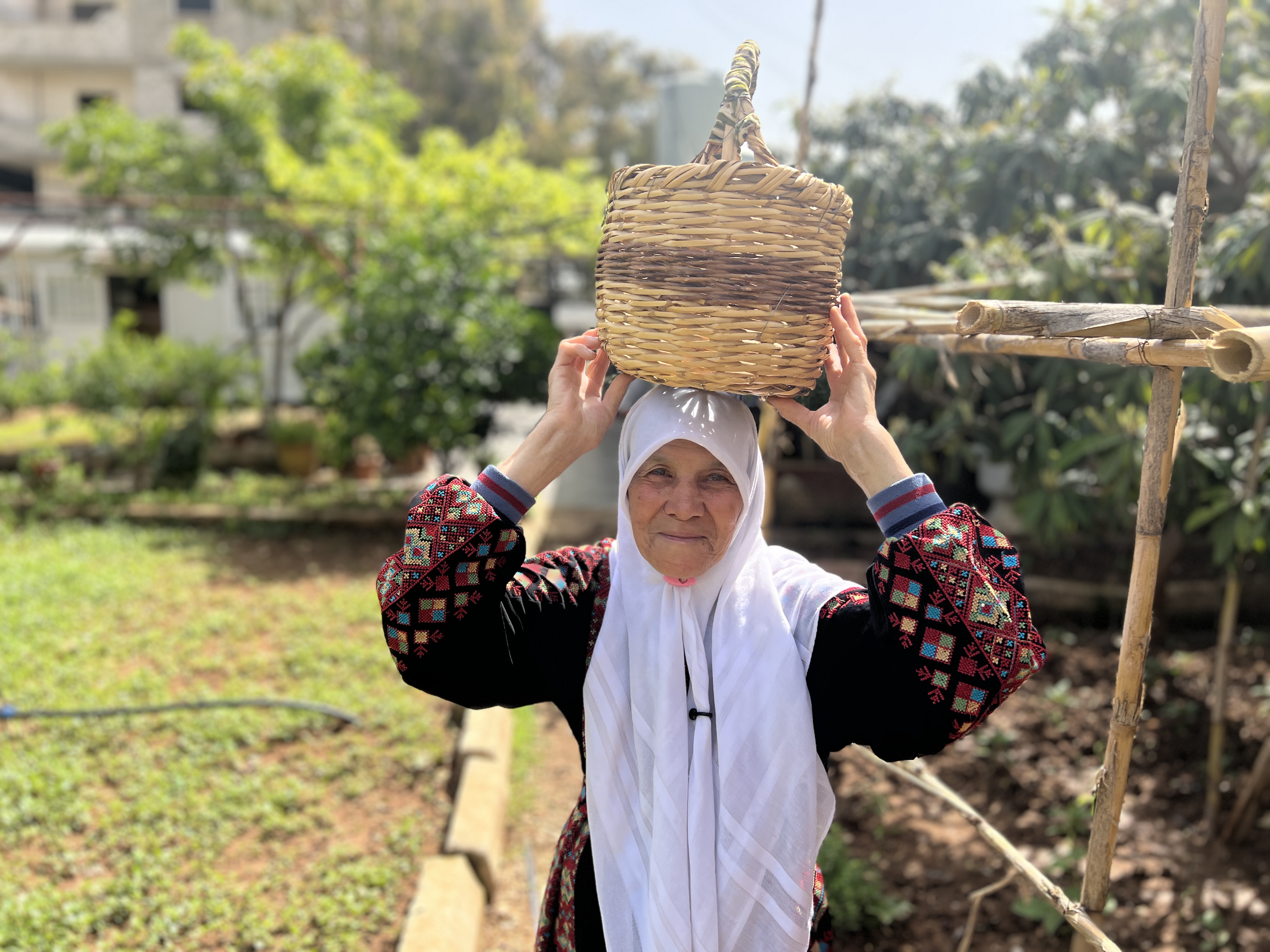
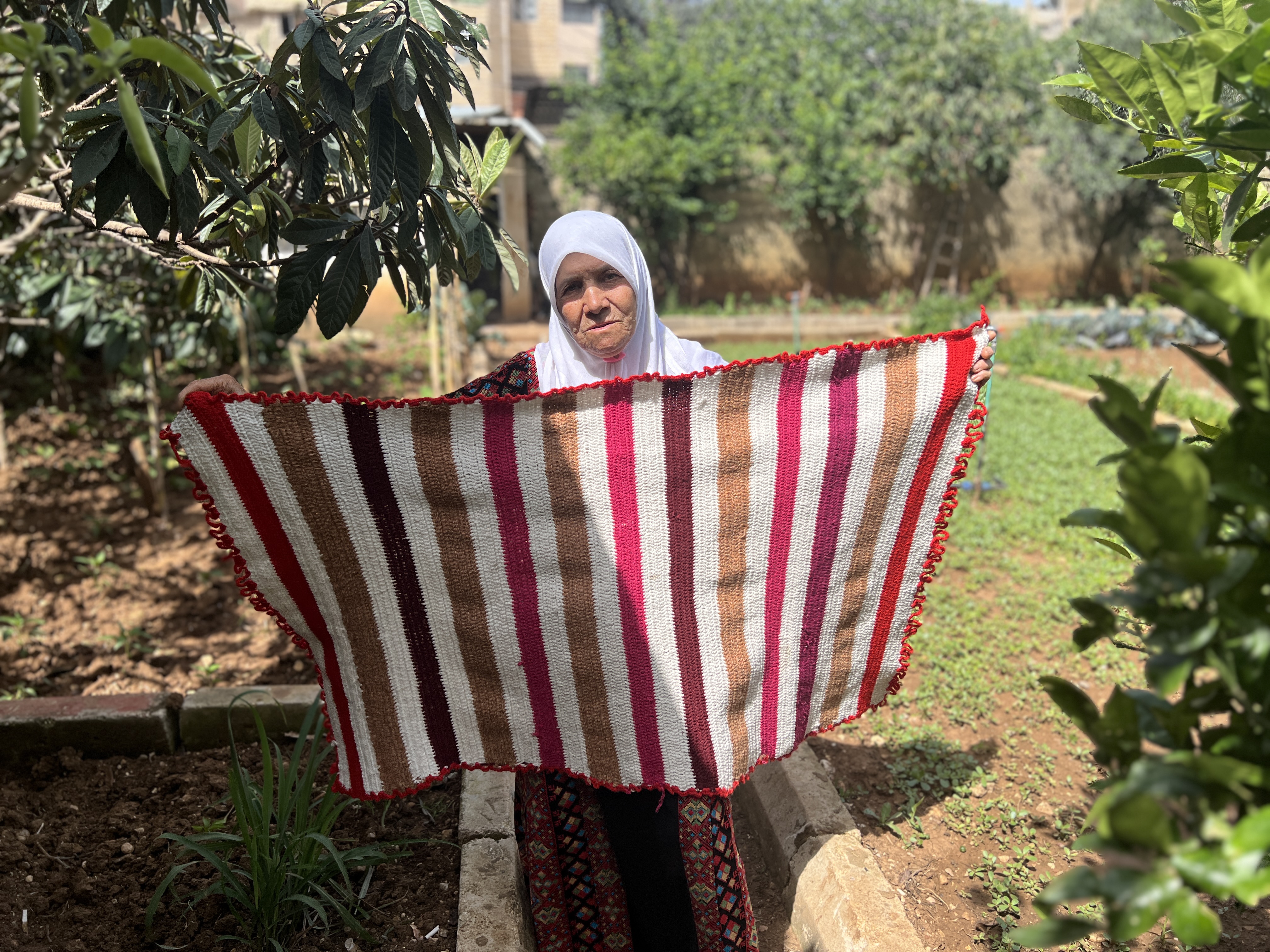
“That’s why I love it… and hold it.”In the details of her daily life, Badriya tries to keep Palestine alive as she knows it through her father’s stories. She embroiders, crochets, makes crafts, and cooks dishes passed down through generations — recreating her homeland through thread, fabric, and flavors.But despite all of this, something still feels incomplete.“I have no future here… no property, nothing of my own,” she says. “My wish is to return to Palestine… and open the mills again with this key.”