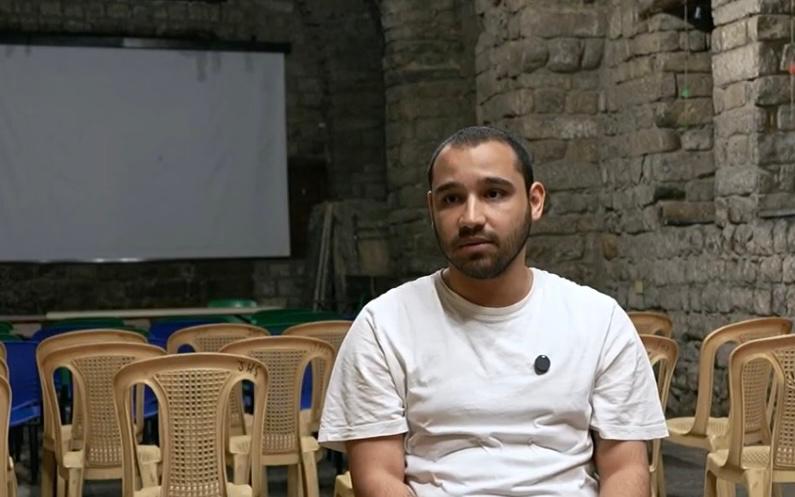
Between fear and waiting, the sound of a baby crying rose inside the hospital room. Only then did Batoul Abbas finally calm down. “I forgot everything the moment I heard her voice,” she says.
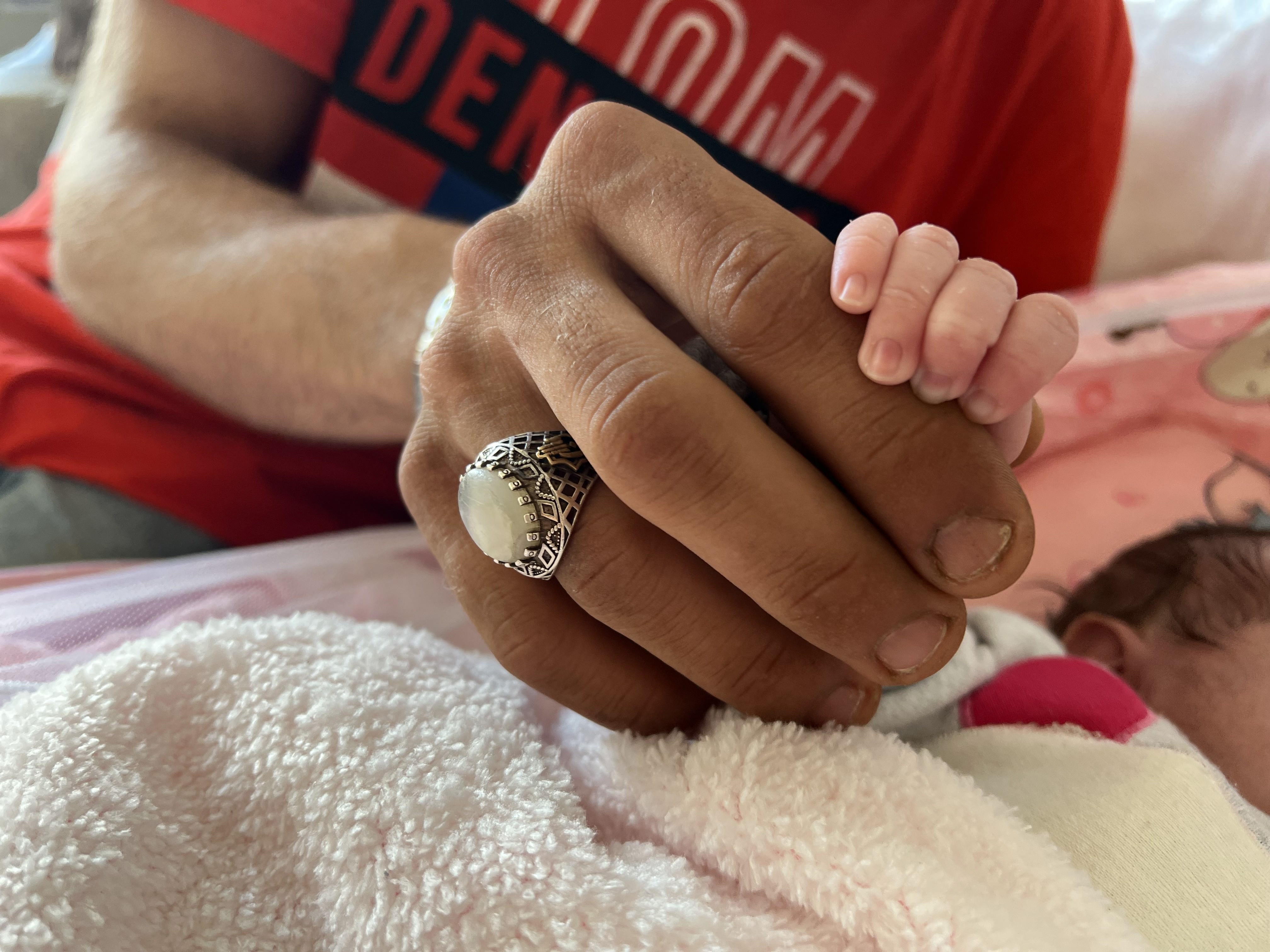
Batoul, 23, was displaced from the town of Burj Rahal to a shelter at Nazih Al-Bazri School, where she spent more than 55 days pregnant with her first child. Between temporary walls, she waited for a moment unlike any other: becoming a mother. She went to Qassab Hospital twice before labor began. The birth was supposed to be natural, but complications led to a cesarean section. “I was very scared,” she says. Her husband Abbas and her mother stayed beside her, trying to comfort her as much as they could. At sunset, “Ella” was born.The tears that came before the birth turned into a different kind of crying afterward. “I forgot the exhaustion, I forgot the fear,” Batoul says.
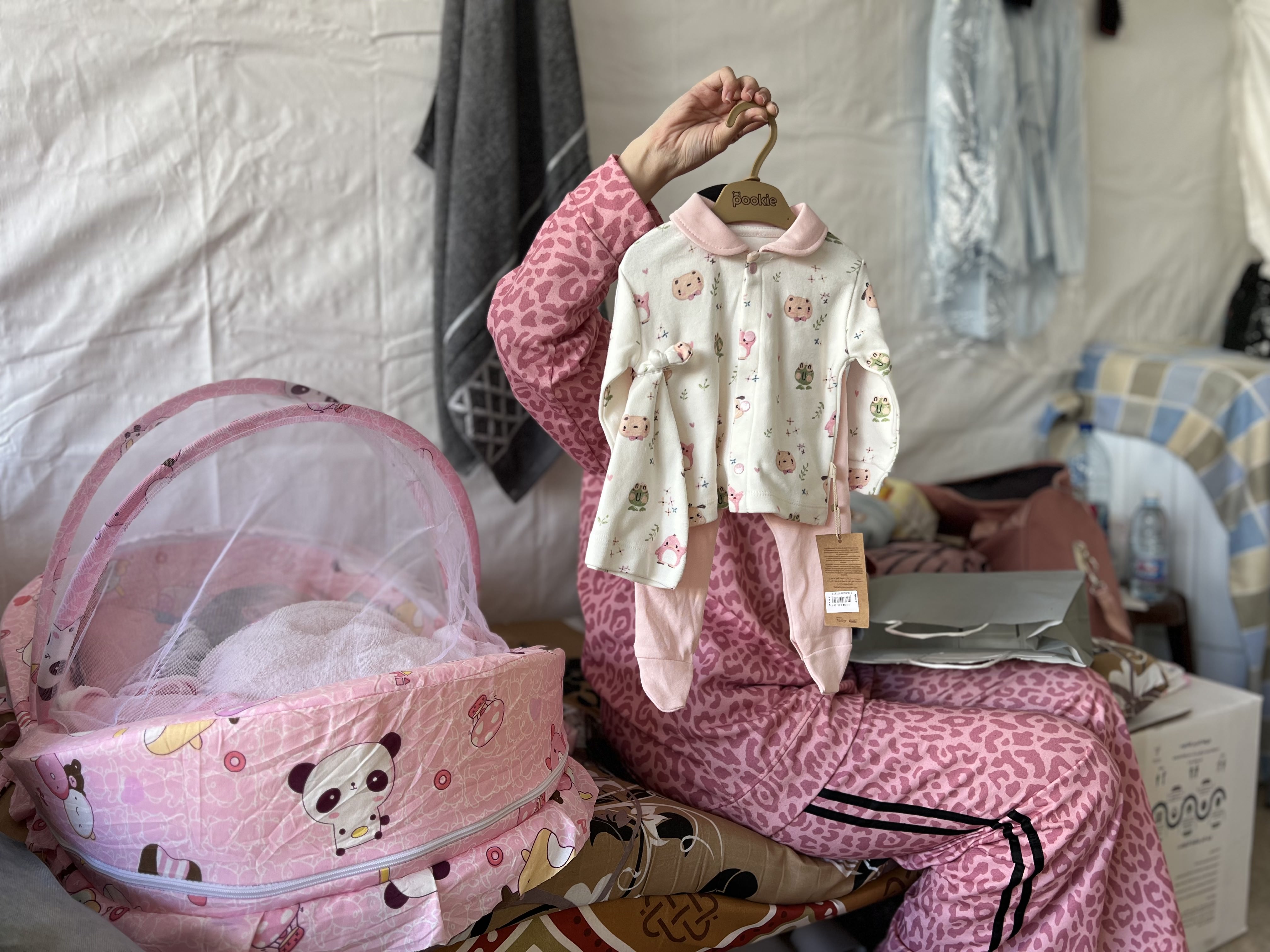
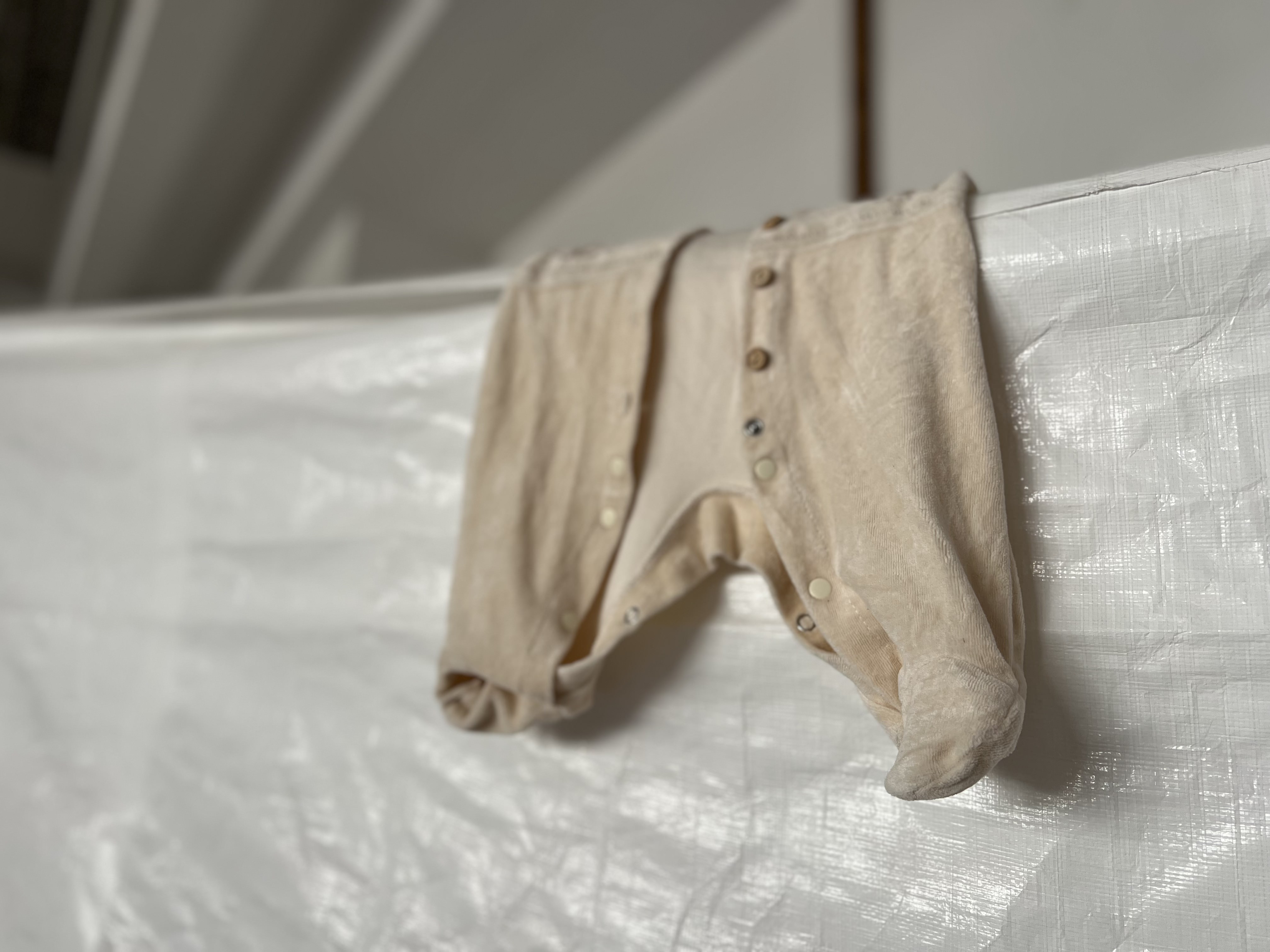
Before displacement, she had prepared everything for her daughter at her parents’ home, since it was easier than carrying things up to her third-floor apartment. There, she arranged baby clothes, chose decorations, and imagined a peaceful beginning. But the war changed everything. Her family’s home was damaged, and she lost everything she had prepared. “I wanted Ella to have her own room,” she says. Even the decorations she had ordered were eventually canceled.
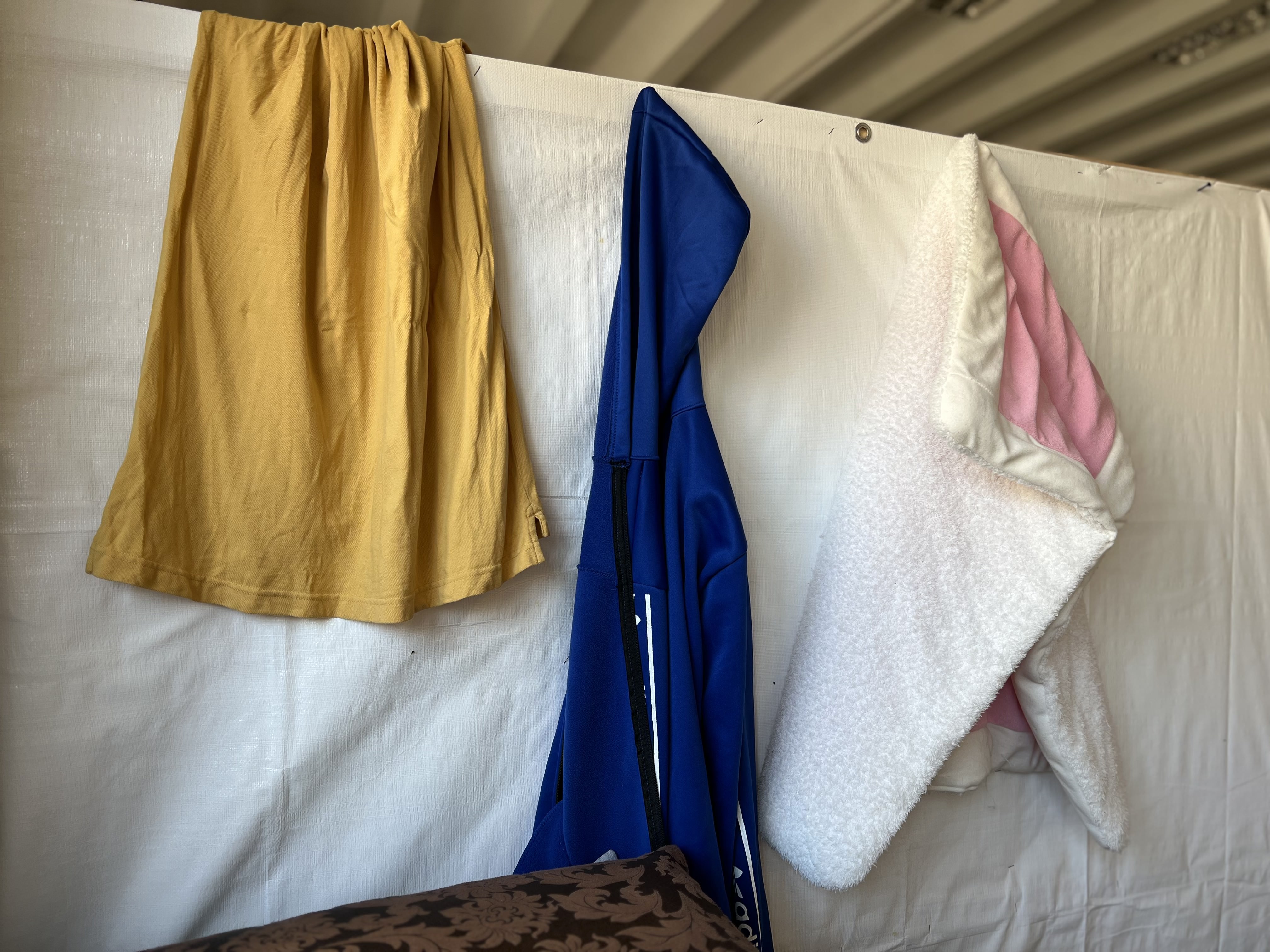
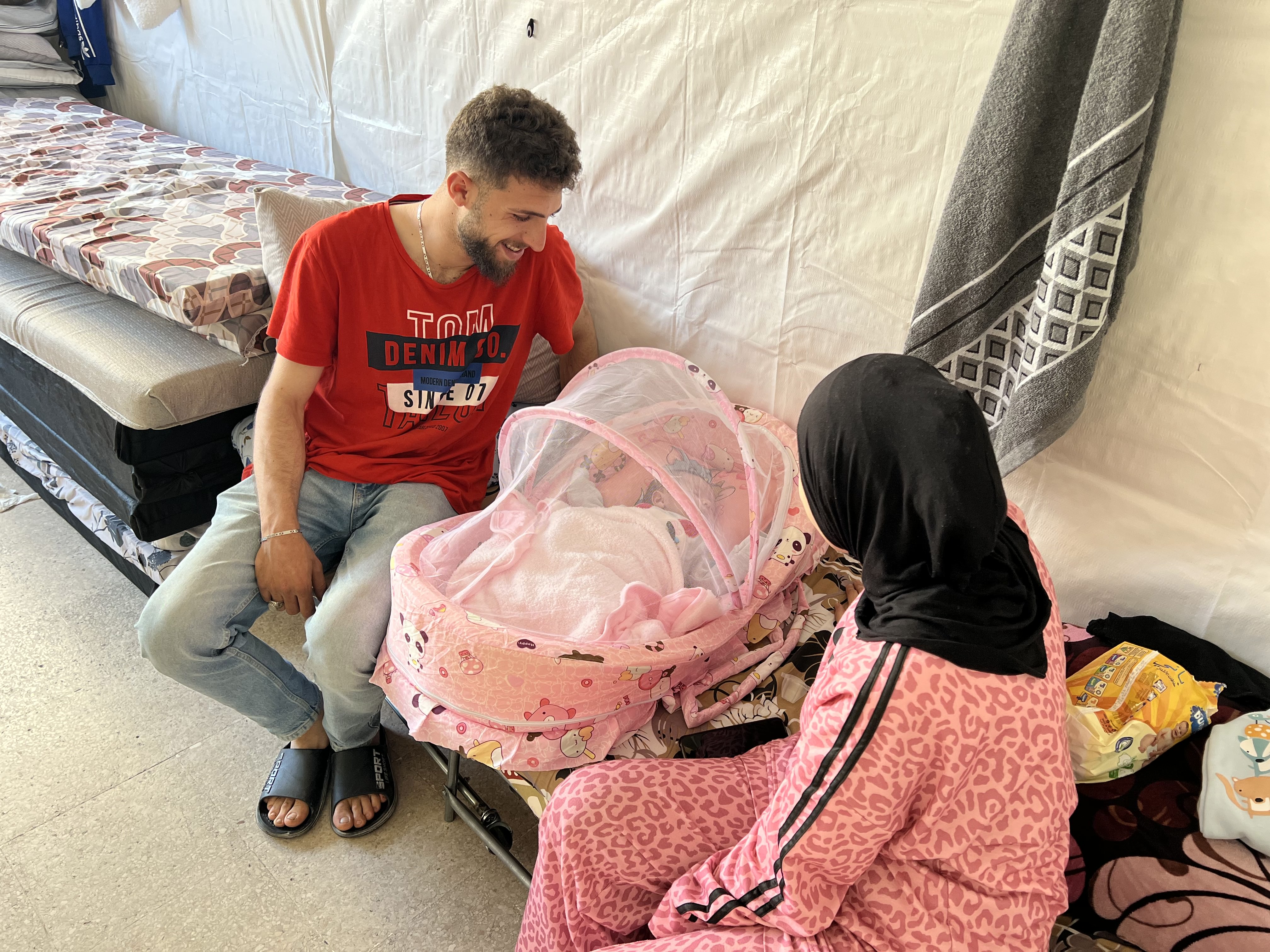
Today, Batoul lives with her daughter in a shared room inside the shelter. No private bed, no privacy, and constant noise. “Everyone who walks in wants to hold and kiss her,” she says. She cannot refuse; their love is genuine, but exhausting at times. Every day, Abbas returns to the south to work the land and earn enough for milk and diapers. In this temporary life, Ella has become the center of everything. “She’s our strength,” Batoul says. Despite the hardship, exhaustion, insects, and lack of privacy, Batoul holds on to one simple thing: Ella is safe. Born in war, not in the home or room her mother once imagined, Ella still gave Batoul a reason to begin again.