"He used to carry books before he carried his belongings."
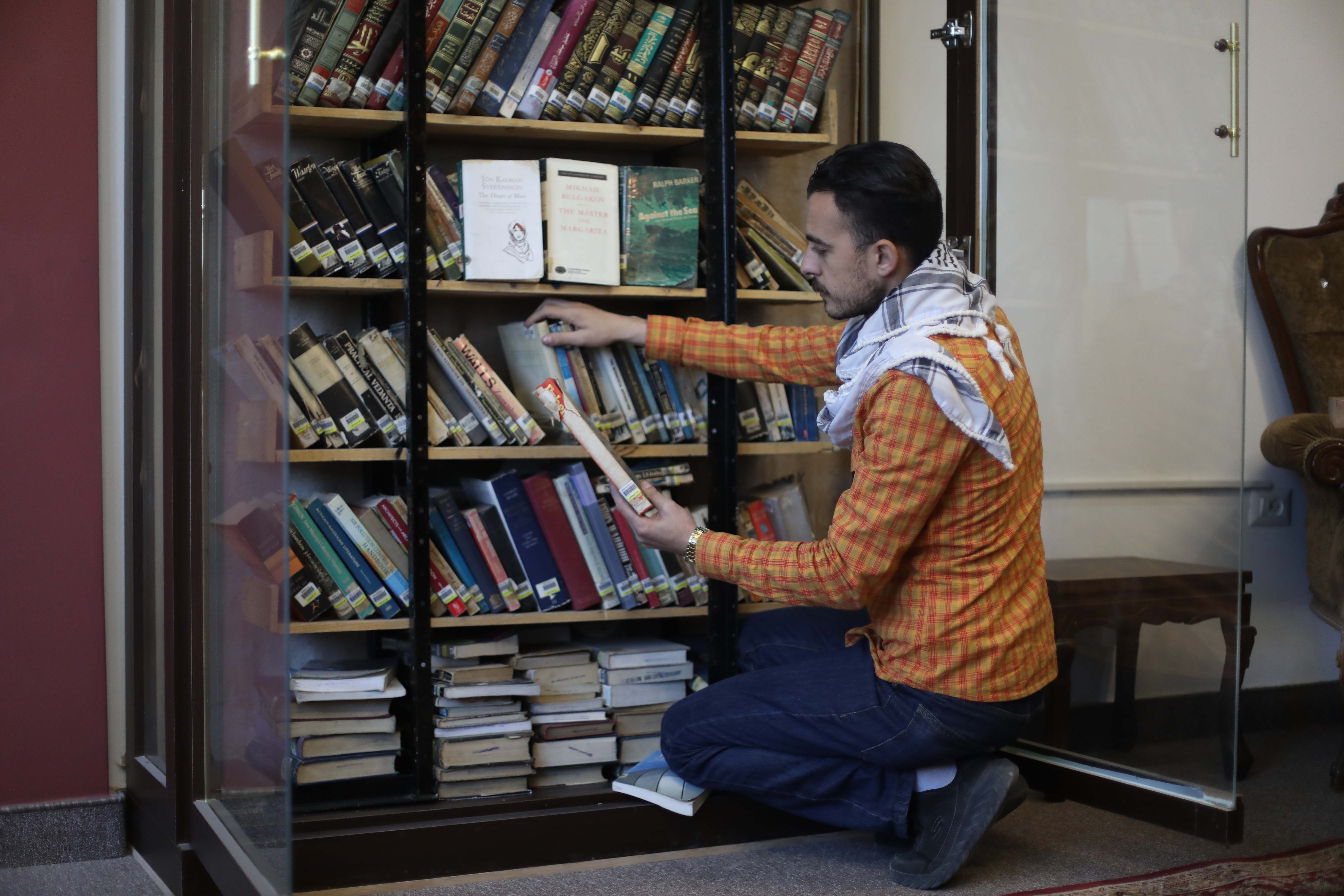
Omar Hamad, 30, from Beit Hanoun in northern Gaza, never imagined that his childhood hobby would one day turn into a mission of rescue.
From an early age, he was drawn to reading. His passion grew when he began searching for books beyond the school curriculum. Over the years, he became especially attached to world literature, particularly the works of Dostoevsky, which left a deep mark on his personality.

When the war broke out, Omar did not only think about saving his possessions — he thought about saving his books. During every displacement, he would fill his bag with books and carry them with him from one place to another, with the help of his friends and family, trying to preserve them amid loss and destruction.

He managed to save around 120 books from his personal library, then began collecting others from under the rubble of destroyed libraries in universities and institutions. The Red Crescent Library in Khan Younis was among the first places where he rescued books during his displacement to the south.
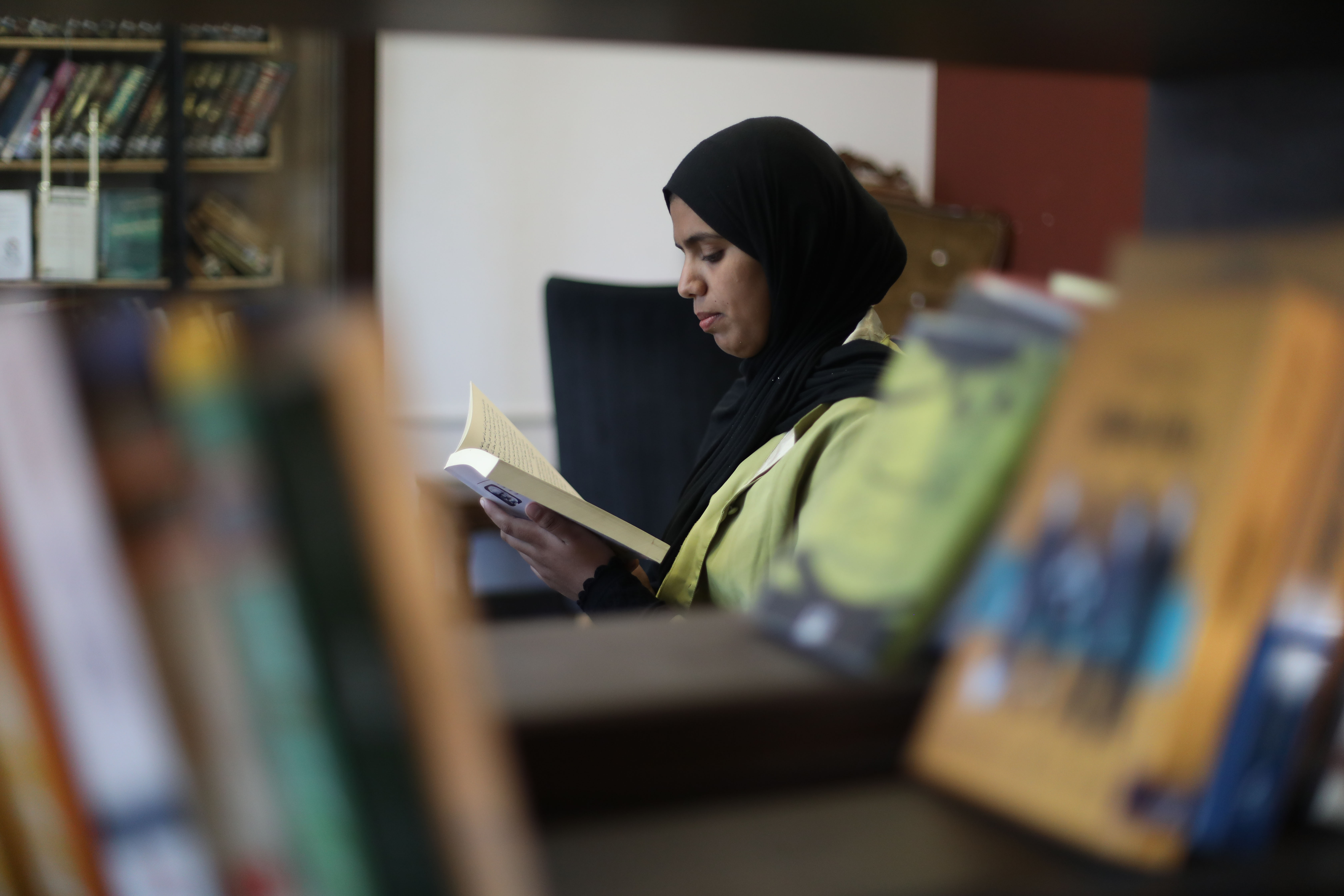
He says: "What used to hurt me the most was seeing books printed before 1948 being used as fuel for cooking."
After the ceasefire was announced, Omar, together with his cousin Osama and his friend Ibrahim, launched the "Phoenix Library" initiative, inspired by the mythical bird that rises from the ashes.

The initiative began with collecting books that survived the war, and quickly grew into a public library containing more than 6,000 books, including thousands donated by individuals, institutions, and families of martyrs.
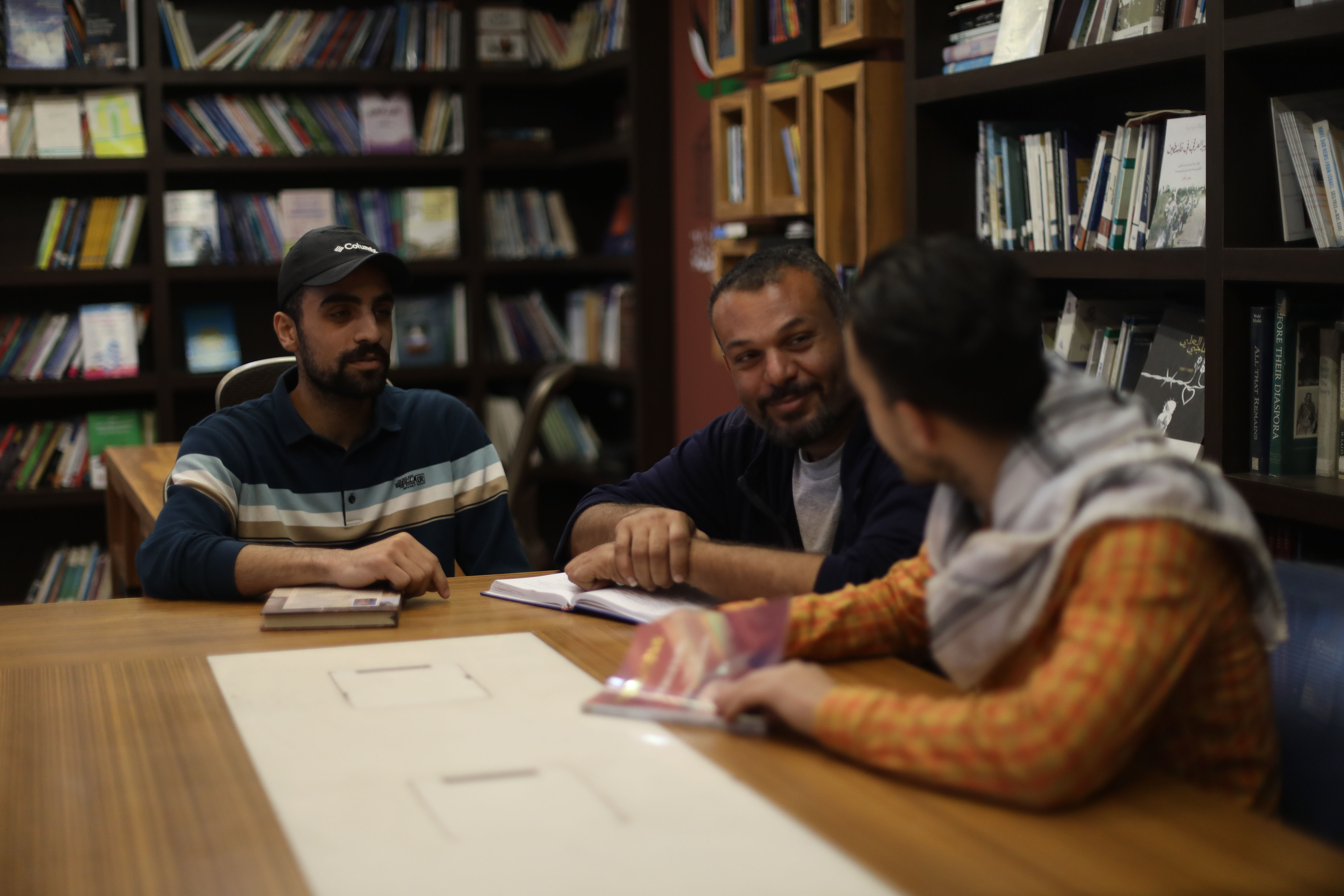
Today, the library holds books in history, literature, philosophy, medicine, politics, and economics, along with Arabic and international novels — creating a space for readers, students, and researchers at a time when Gaza has lost most of its public libraries.
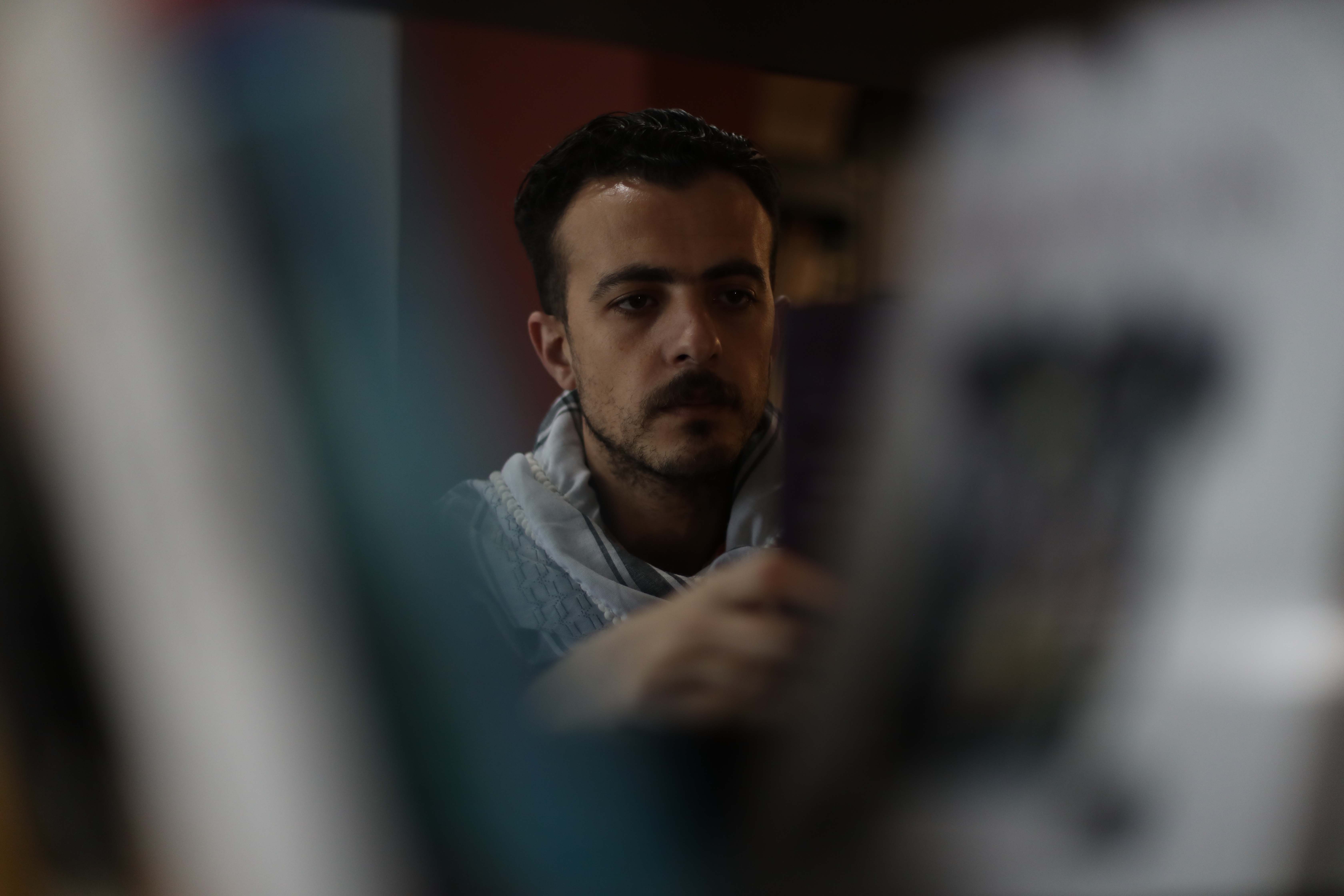
Omar kept a special shelf for the books that survived the war. He does not see them as just books, but as part of a journey of displacement and survival — a witness to a chapter he believes will remain deeply present in Gaza's memory.
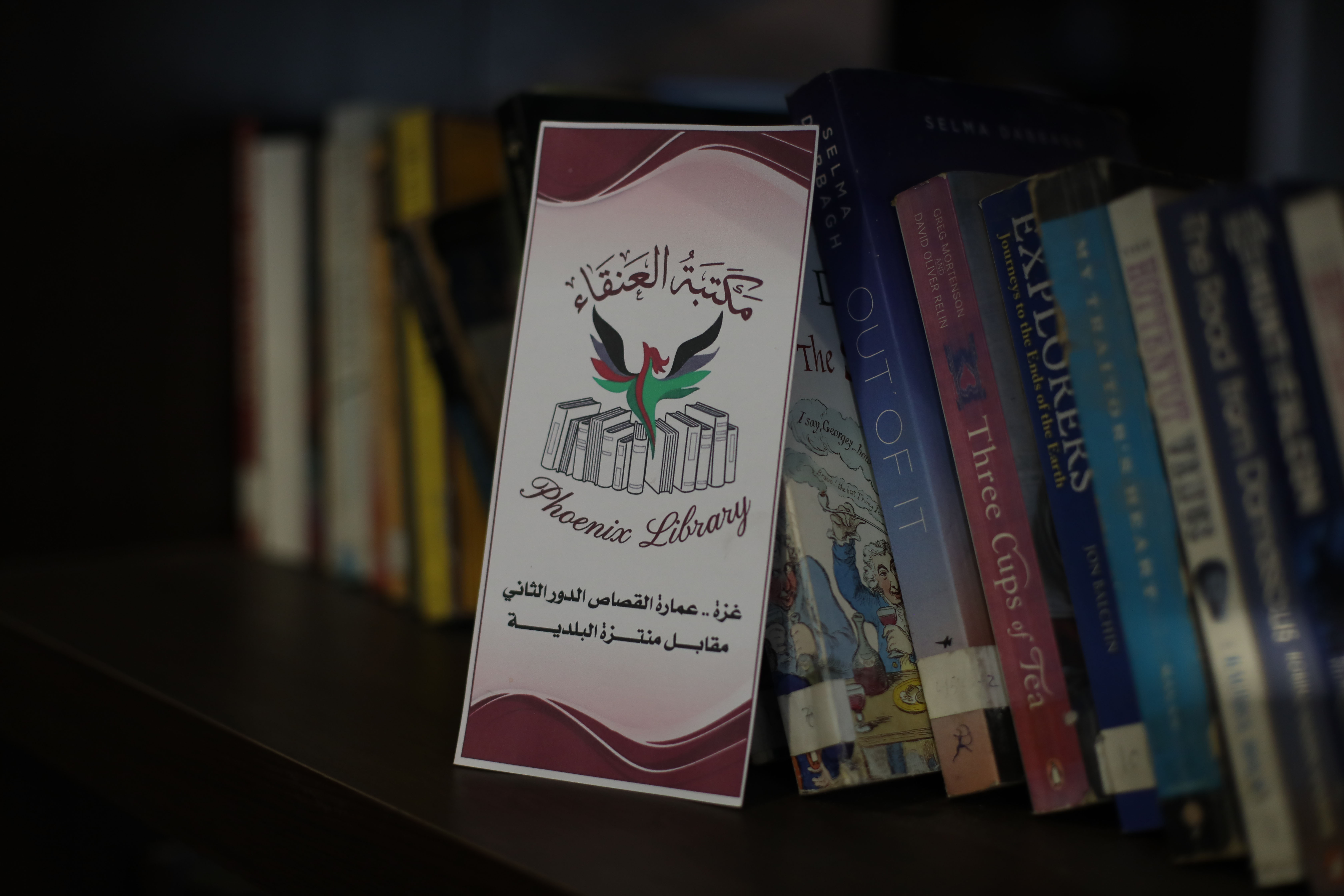
In a city where many have lost their homes, Omar tries to save what remains of the stories.