“The hardest moment I saw in the park was when a gun was raised at my son.”
Samer Hamayel still remembers that moment.
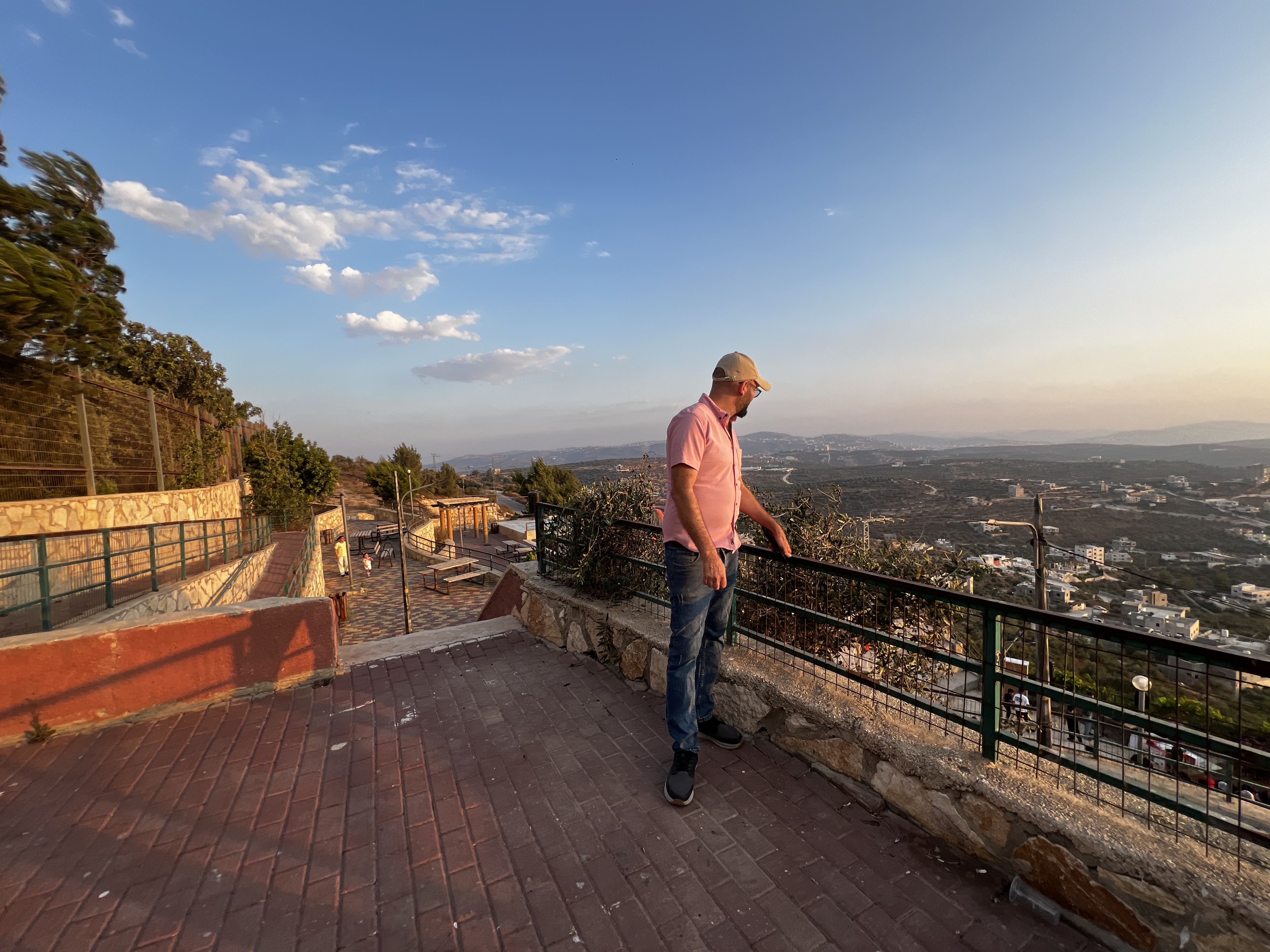
It happened at Ain Alim Park, in Beita, south of Nablus — a place where families come to spend time outdoors, children run and play, and people return to a place they have known for years.
.jpeg)
For Samer, the park is much more than that.
His connection to Ain Alim goes back to his childhood, when he used to come here with his grandfather in the late 1980s. They would collect water from the spring, then climb Mount Oulim to pick grapes, figs, and olives.
“That’s when I fell in love with Ain Alim.”
.jpeg)
Years later, Samer became responsible for the place himself.
He spends his days preparing the park, keeping it clean, taking care of its details, and welcoming families and children. Over time, the natural site grew into a park with spaces for recreation, supported by young people from Beita, Aqraba, and southern Nablus.
.jpeg)
But the place has also faced repeated attempts by settlers to enter the area.
For Samer, staying became part of protecting the land.
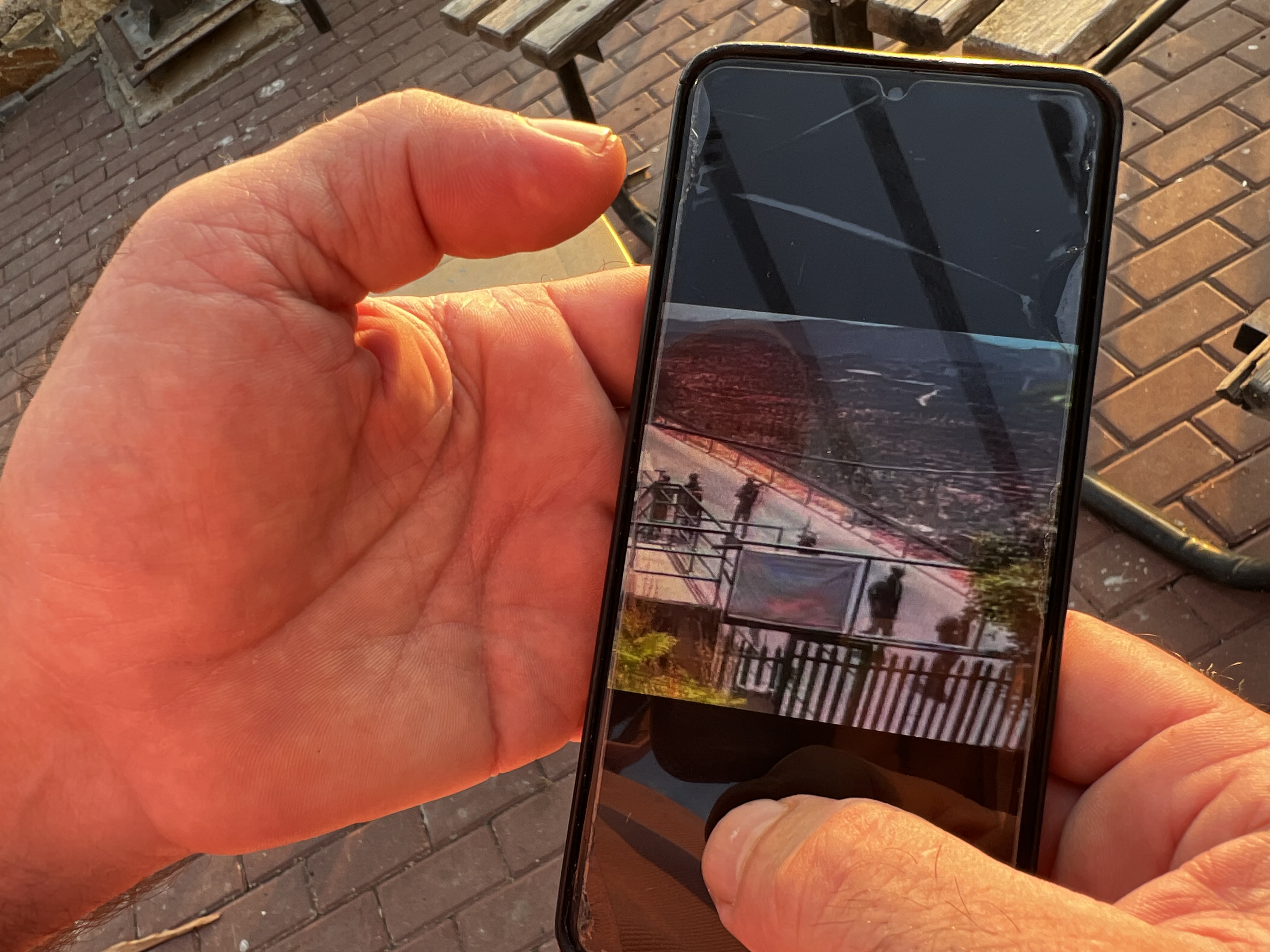
“If we’re not willing to take a beating or a hit to protect the land, then what is our presence here worth?”
One confrontation reached his family directly, when a gun was raised at his son.
.jpeg)
“My son is precious to me, and the land is precious too. Even if it costs blood, the land is worth it.”
Still, Samer does not want Ain Alim to be remembered only for the danger around it.
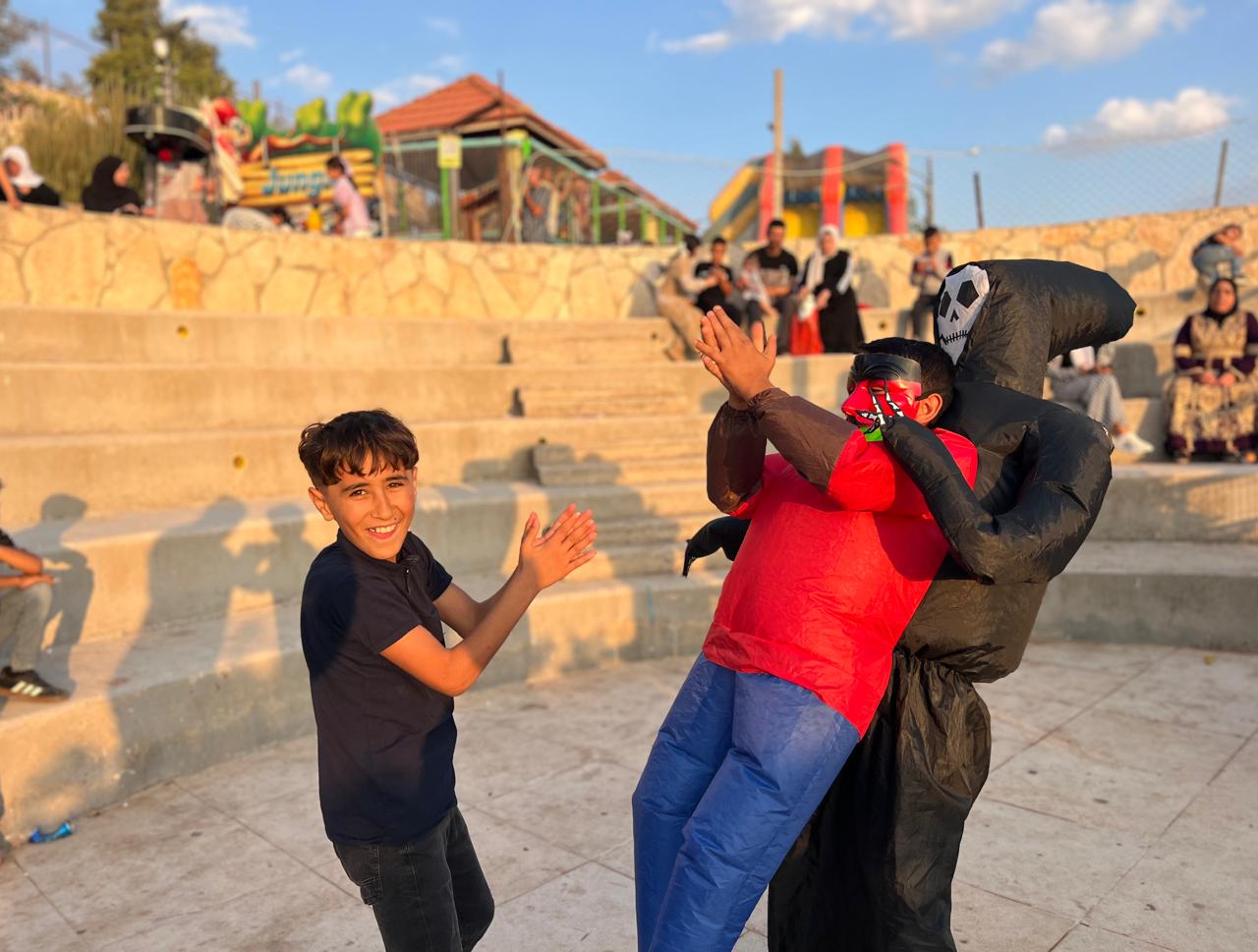
He wants to see children running through the park, families spending time together, and people returning to a place that has been part of their lives for generations.
.jpeg)
“We’re not trying to do popular resistance or peaceful resistance or anything like that. All we care about here is coming to laugh, and putting a smile on children’s faces.”
For Samer, staying at Ain Alim is about more than protecting a piece of land.
It is about making sure life continues there.
.jpeg)