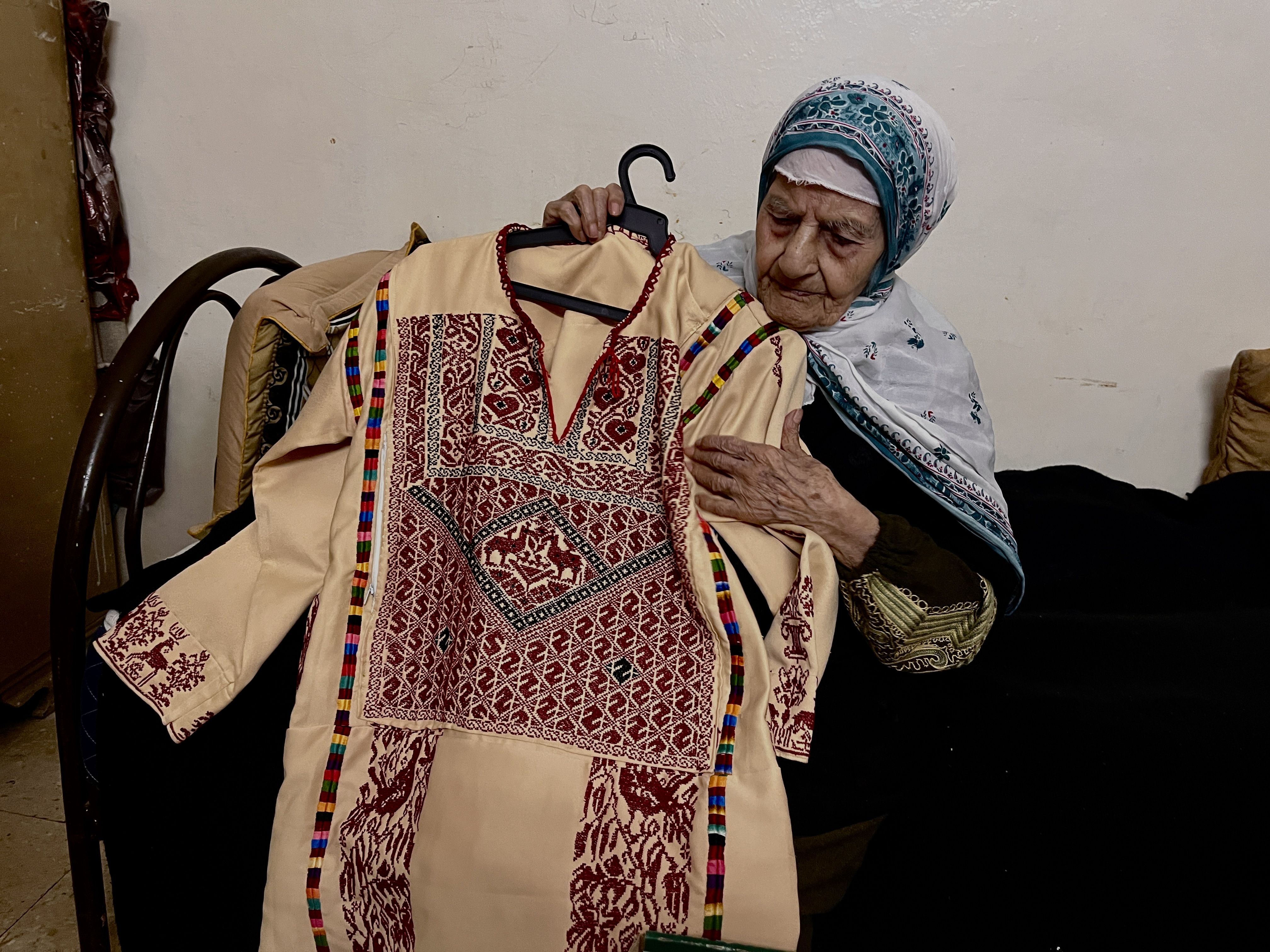
Halimah Qatanani, 95, sits in the old Askar refugee camp, holding on to her embroidered dress as if it were the last piece of Yazur left in her hands.
She keeps it hidden carefully, a dress she stitched herself at the age of fourteen—stitch by stitch—before the Nakba. It left the village with her, and has never left her memory or her cupboard since.
She says:
“How could the electricity be bright here… when our land used to be the one that was bright?”
Her voice takes her back to Yazur, once full of citrus groves, a ice factory, and a sweets factory—life as she remembers it, nothing like what came after.
What remains with her most, she says, is “the goodness, the gatherings, the people”—and the weddings that filled the village with dance, song, and ululations. It was there she first wore her embroidered dress, and there it later became the last thing she carried from home.
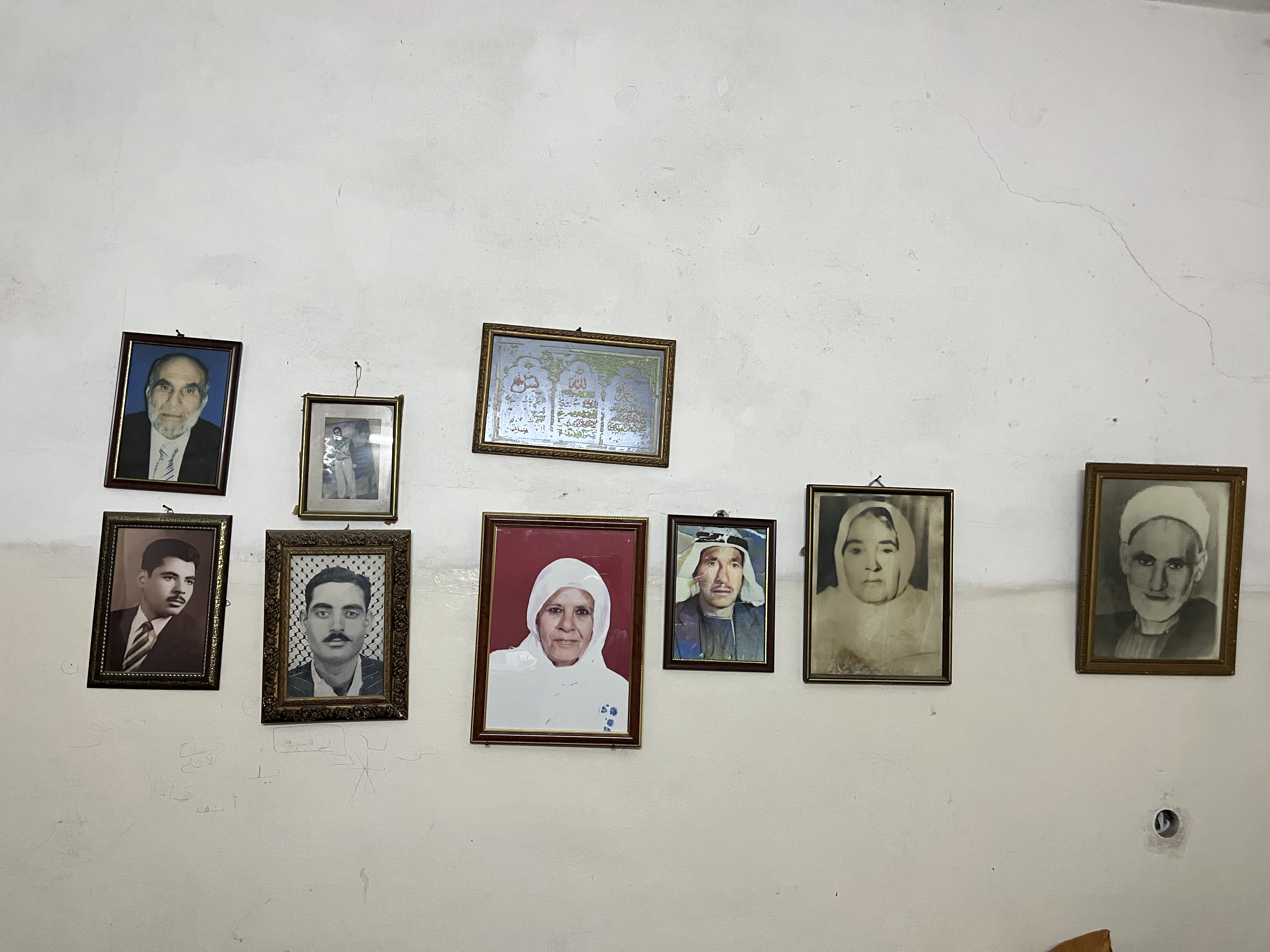
When the day of departure came, her family left amid the unfolding events after three young men from Yazur were killed. Her father had refused to leave until the very last moment, before finally saying:
“Pack your things… each of you take a change of clothes… we’ll be away for a few days.”
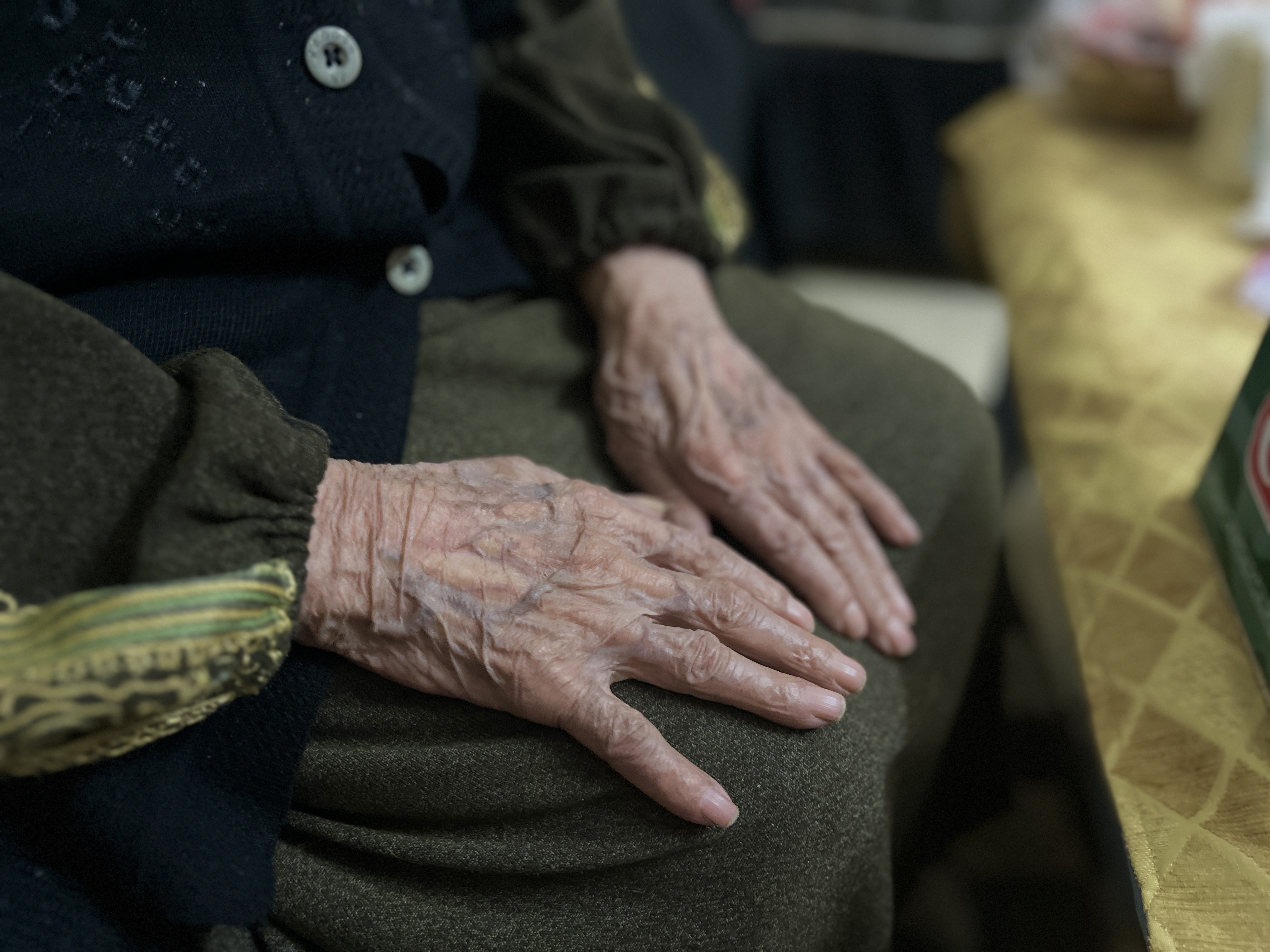
No one imagined those “few days” would stretch into a lifetime.
They left in tears, looking back at their homes and orchards, carrying only a few clothes, loaded onto a truck that took them from Jaffa into the unknown.
From there, a long journey of displacement began: Zakariya, then Halhul, then Hebron for more than 15 years, before finally settling in Nablus. She says:
“This is our life… displacement after displacement.”
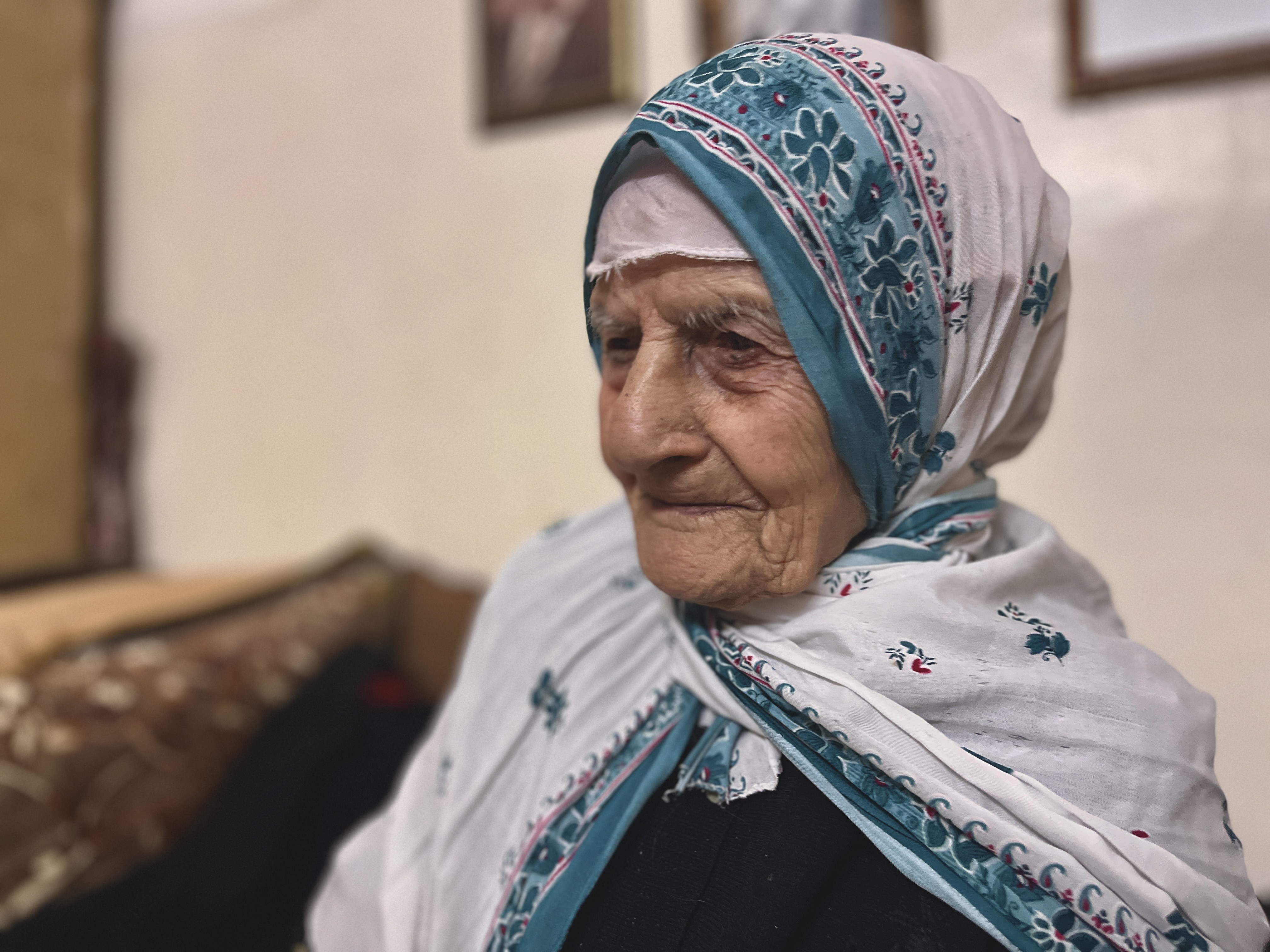
But the dress stayed with her at every stop. A small piece of fabric carrying an entire village—its homes, its weddings, its orchards.
She also remembers her first day at school, when she ran back home after seeing a teacher hit a student. Laughing, she says:
“I was afraid he would hit me… I jumped out of the window and went home.”

And despite all these decades, Yazur never left her. She visited it three times after 1967, and describes her first return as overwhelming: “I lost it… I broke down,” crying as she walked through the orchards and old roads.
When she reached her family home and knocked on the door, a Jewish man of Iraqi origin opened it. She says: “He was shocked when he saw me.”
She told him: “This is my father’s house.”
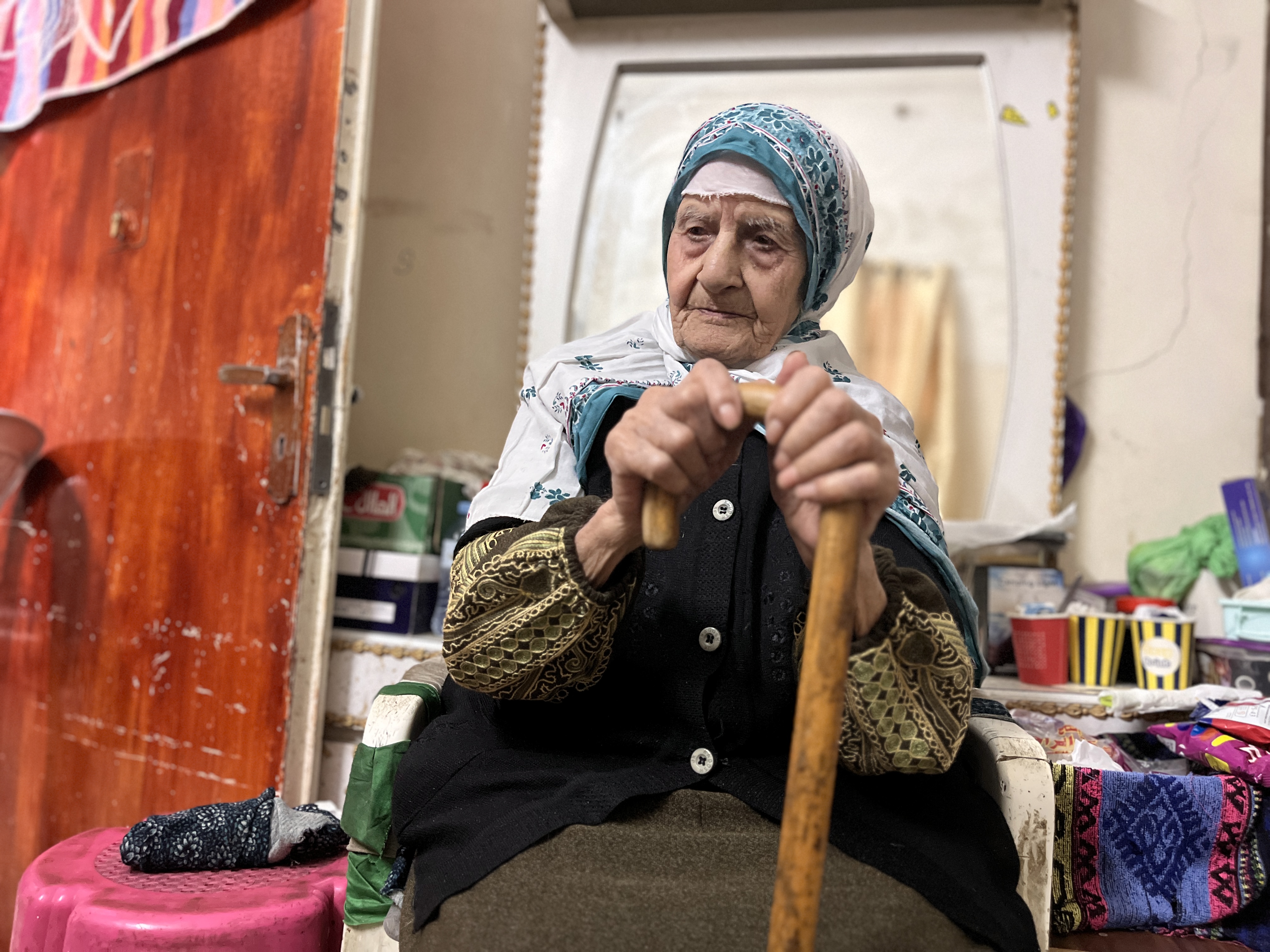
And still today, she says:
“If they tell me now to go back, I will carry myself and return.”
Yazur, she says, has never left her—not for a single moment.