When does the road to school become a dream?
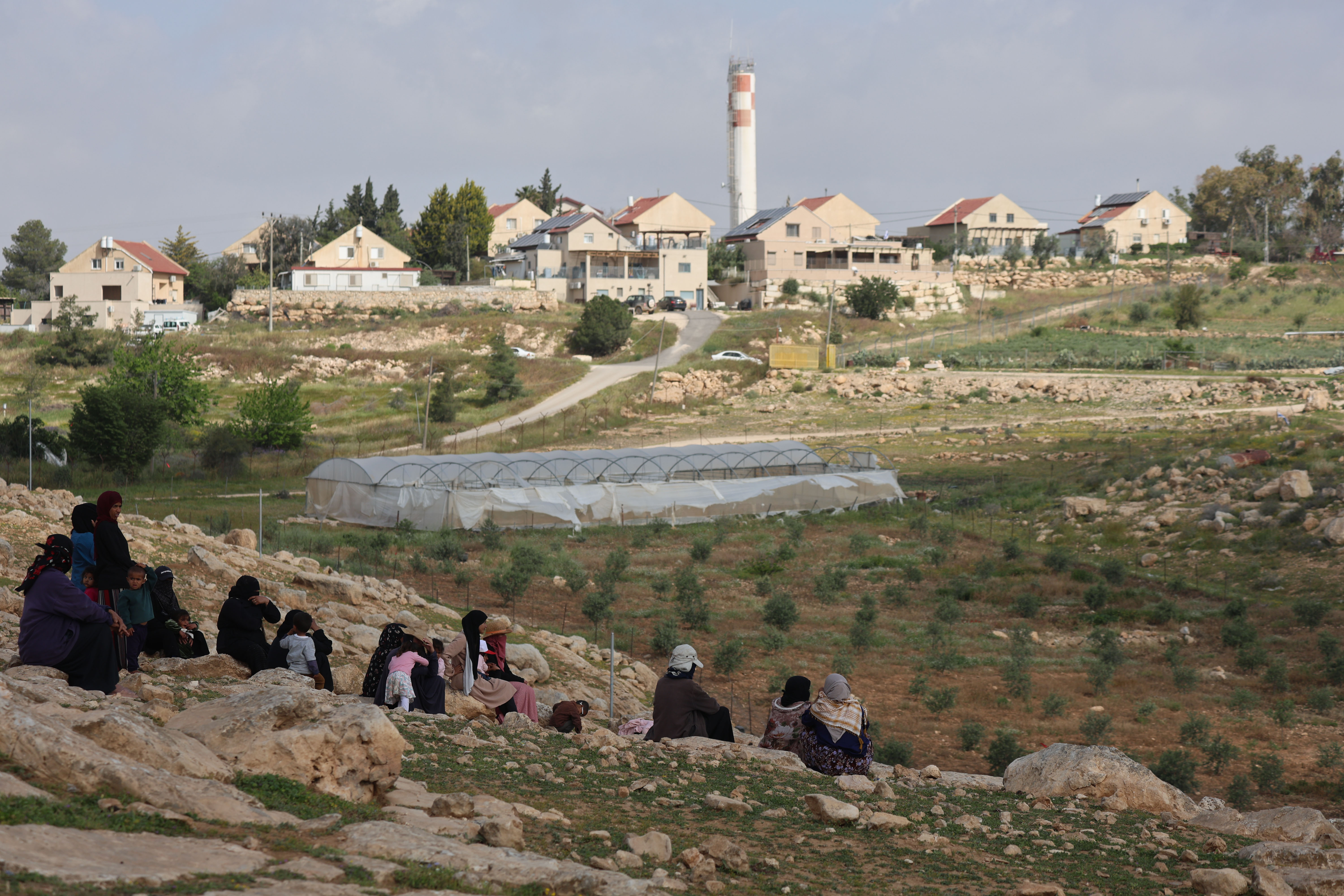
In Um Al-Kheir, south of Hebron, the answer is clear.
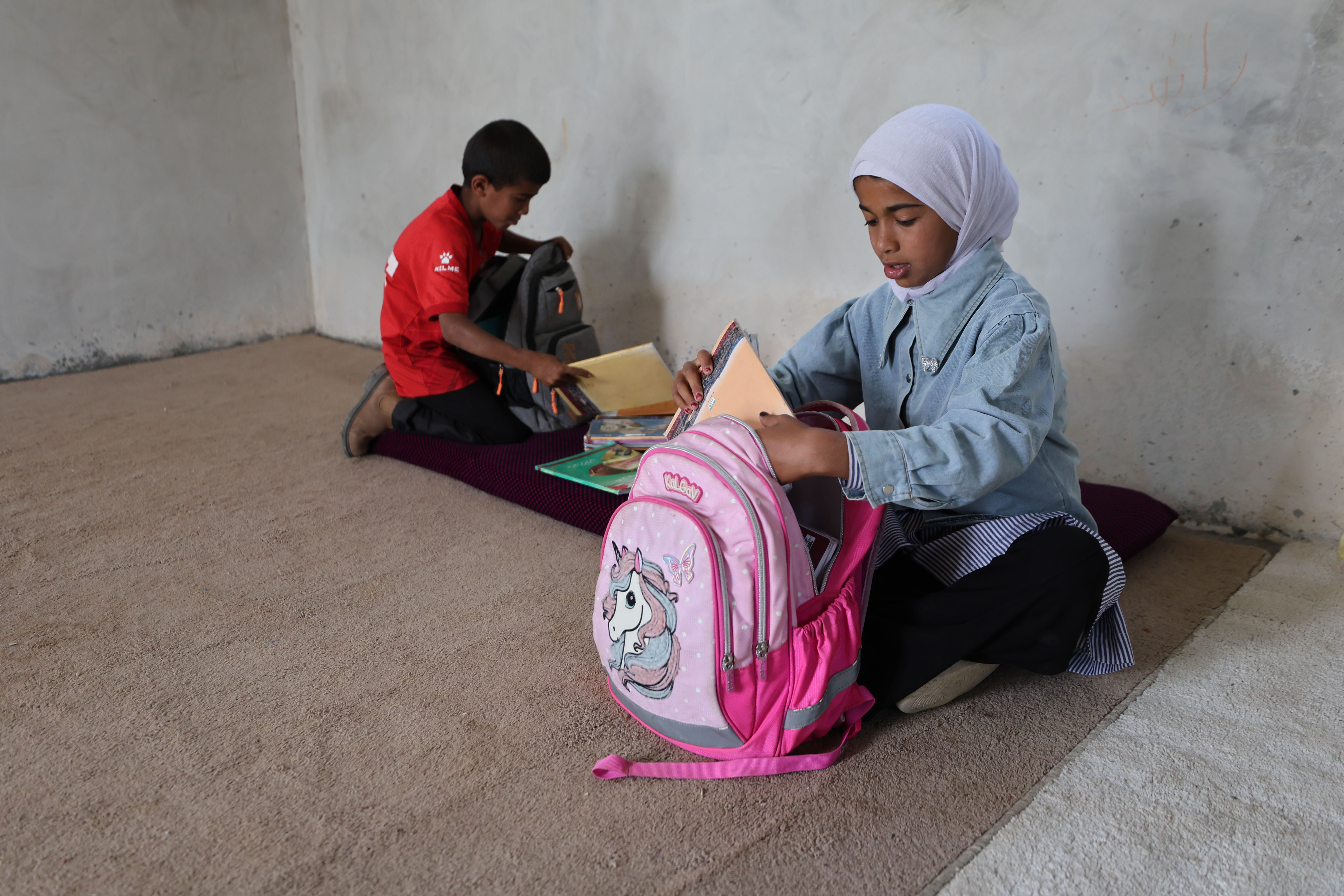
Sara, 12, Rashid, 10, and Hajar, 8, had been waiting for one thing: to go back to school. After in-person classes resumed in the West Bank following weeks of disruption, the children were excited to return to their classrooms, see their friends and teachers again, and continue working toward the goals they often talk about.
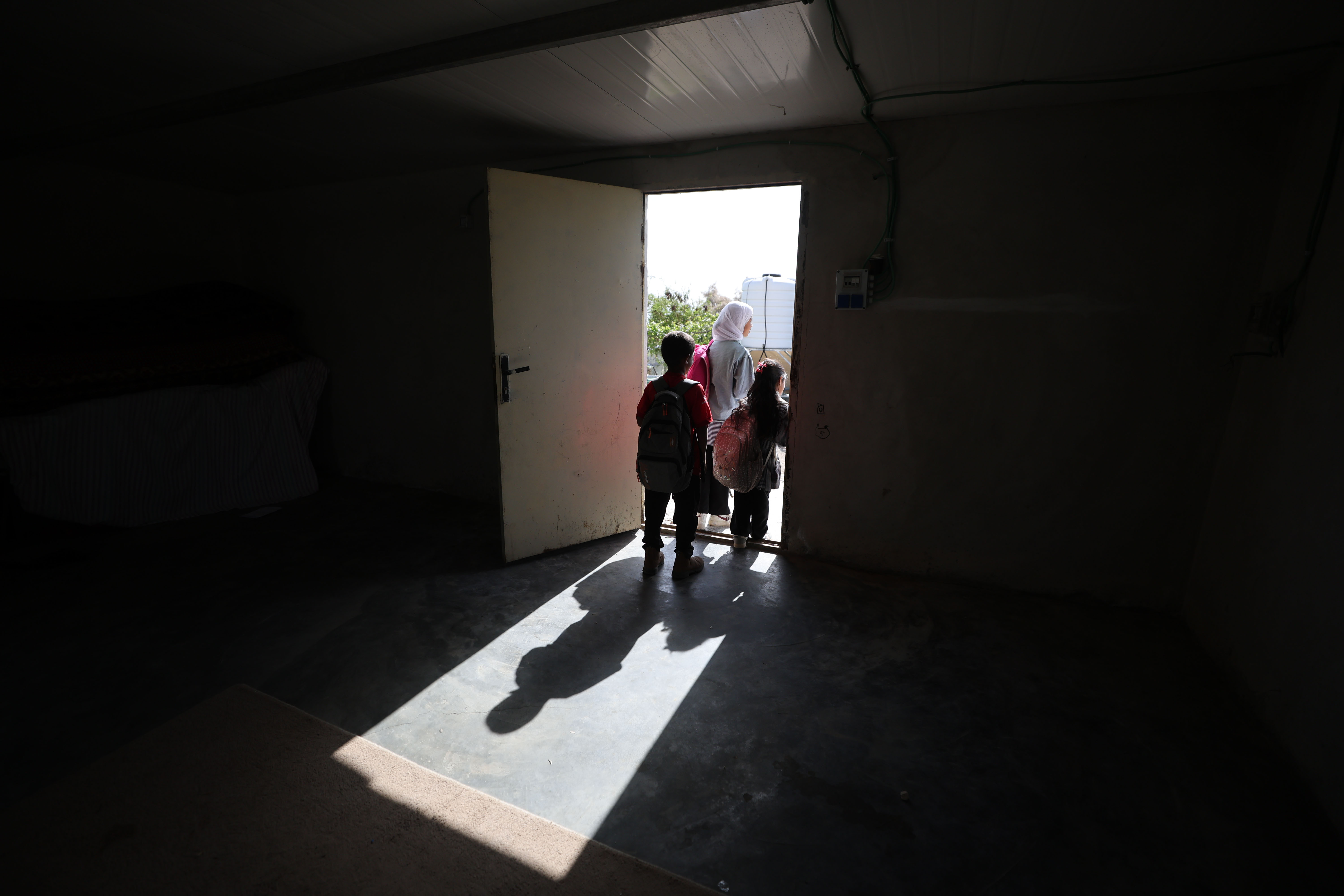
The night before, Rashid could hardly sleep. He packed his school bag, arranged his notebooks, and kept repeating:
"Tomorrow we're going back to school."
But the morning did not go as he imagined.
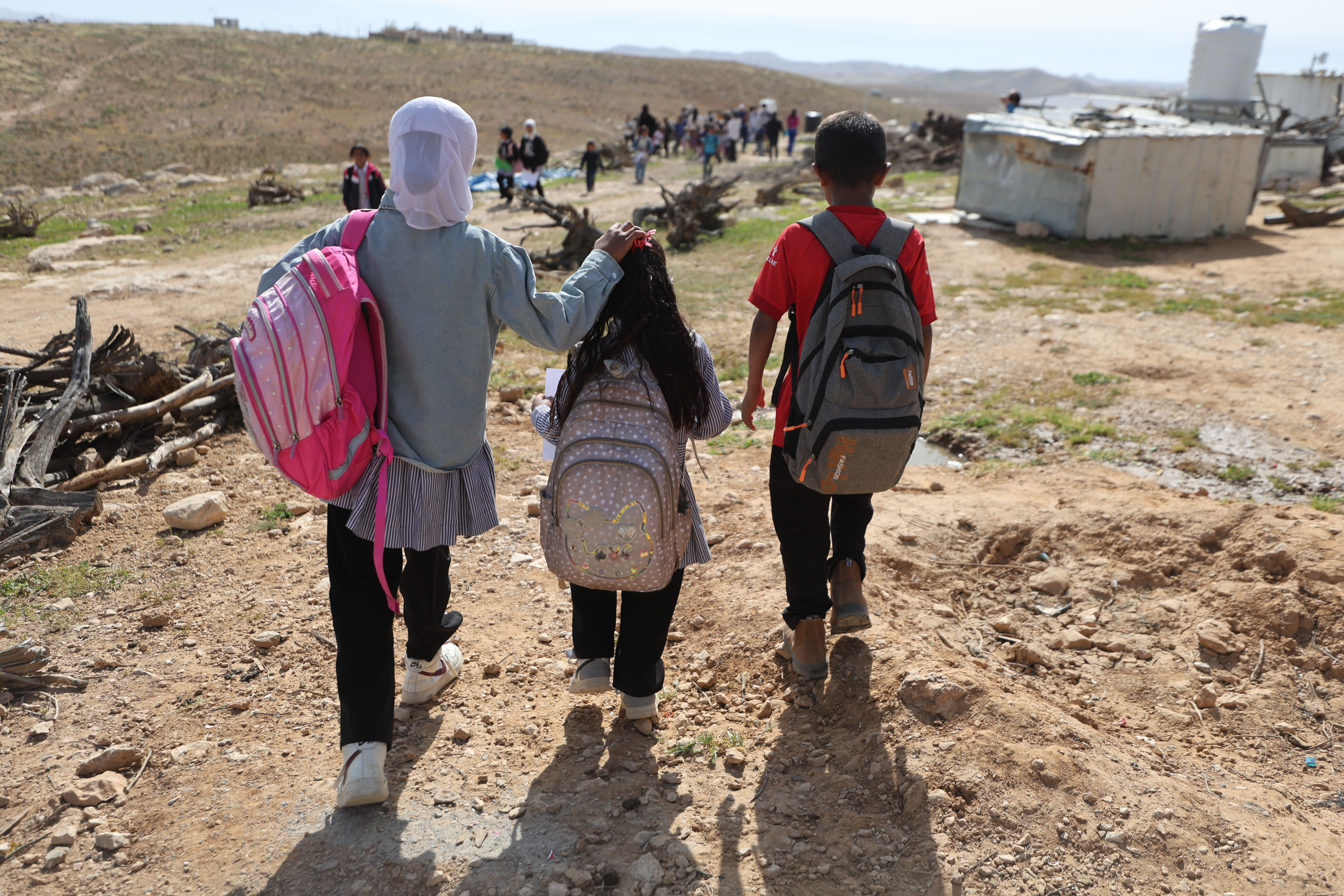
The three siblings left home with their father, Khairallah Al-Hathaleen, a farmer from the village. Since the night before, residents had been hearing that settlers had blocked the road leading to the school.
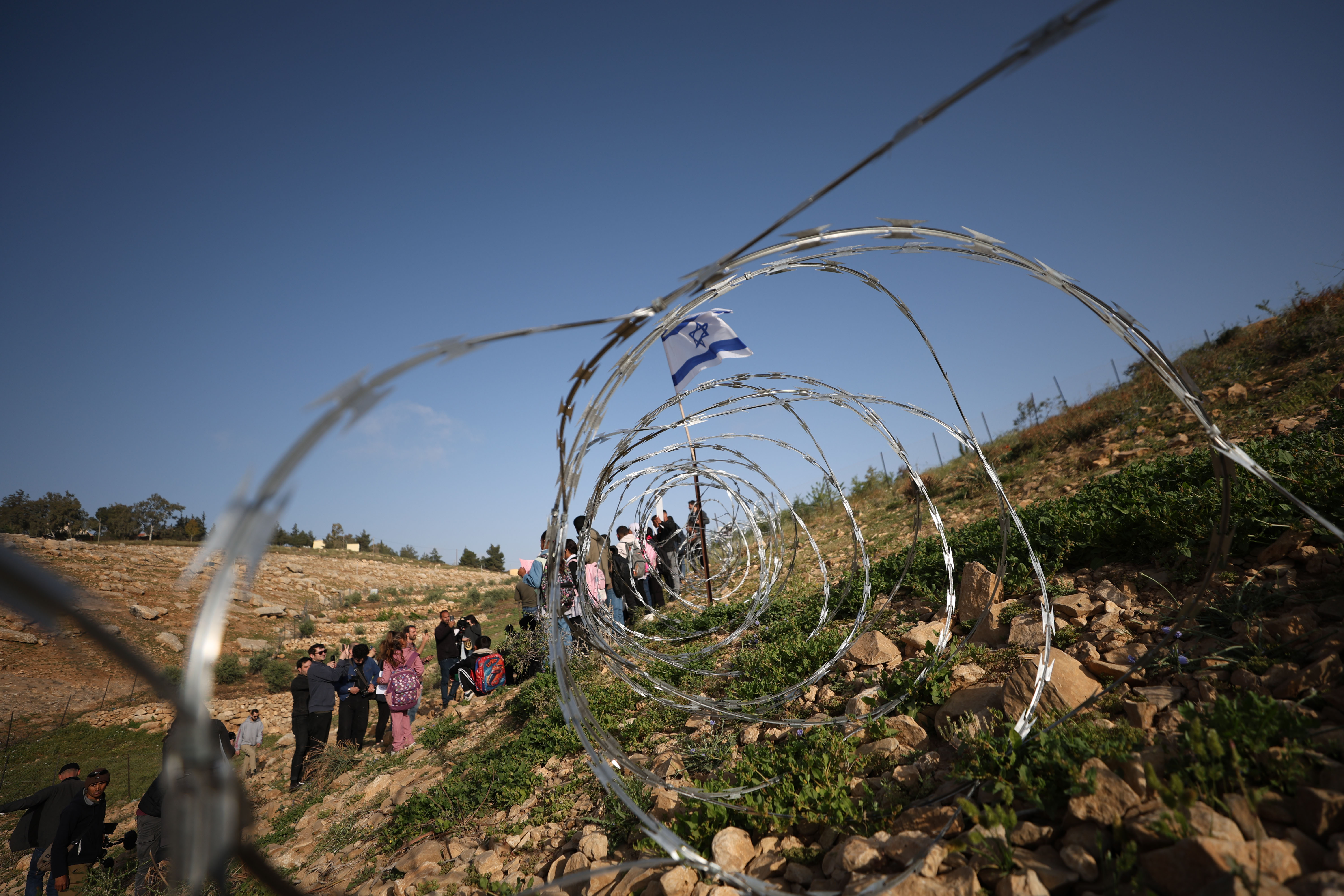
When they arrived, they found the dirt road that generations of children had walked for decades closed off with barbed wire and Israeli flags.
The school is only about two and a half kilometers away. But suddenly, the distance felt impossible.
Rashid stood in front of the fence and said:
"The road is closed."
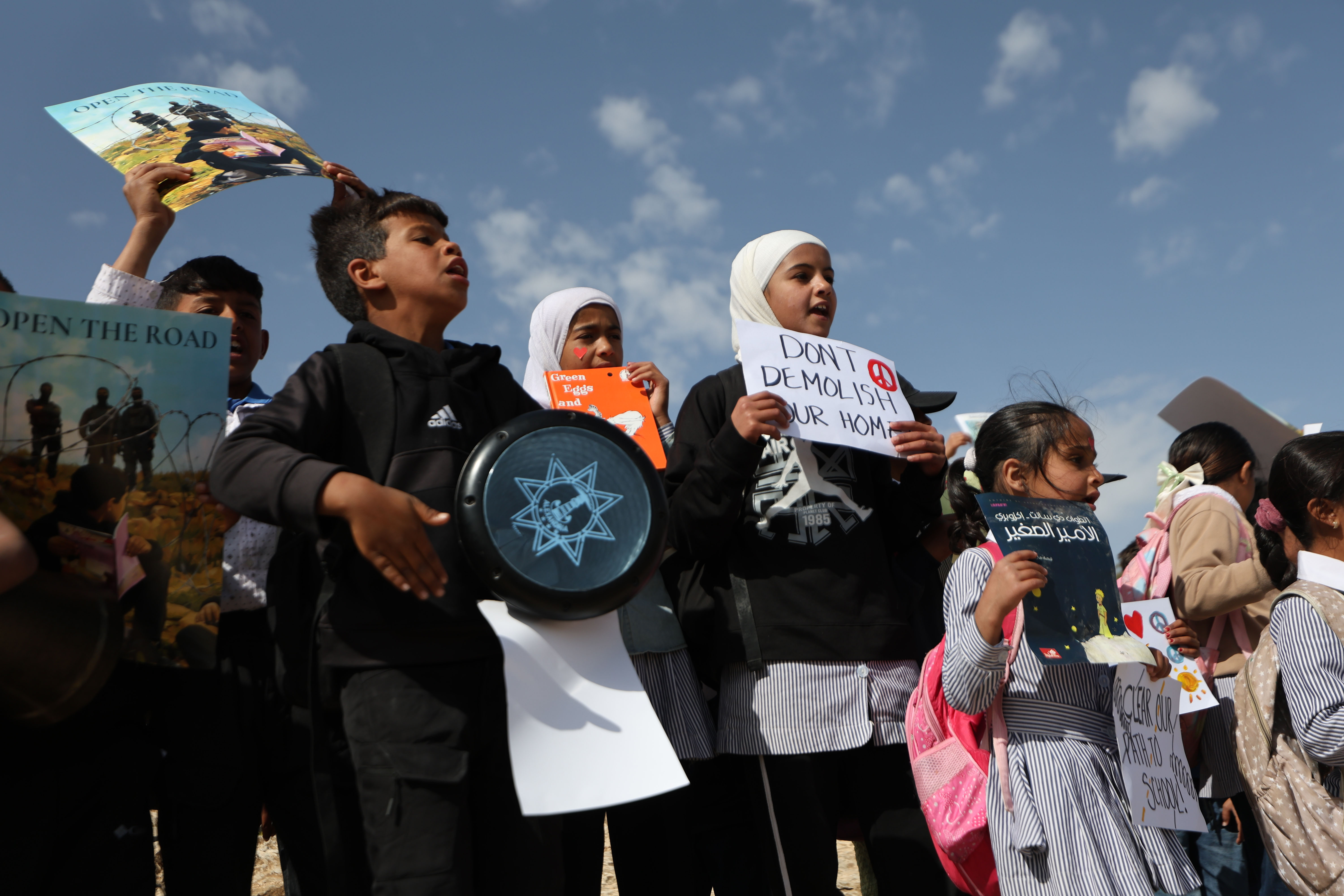
Some children burst into tears. Others stood silently, staring at the path they had always known, trying to understand how it had suddenly become forbidden.
On April 13, 55 students from the village tried to reach their schools. Instead of hearing the first school bell, they were met with sound grenades and tear gas. According to residents, settlers blocked the road while soldiers prevented students from reopening it.
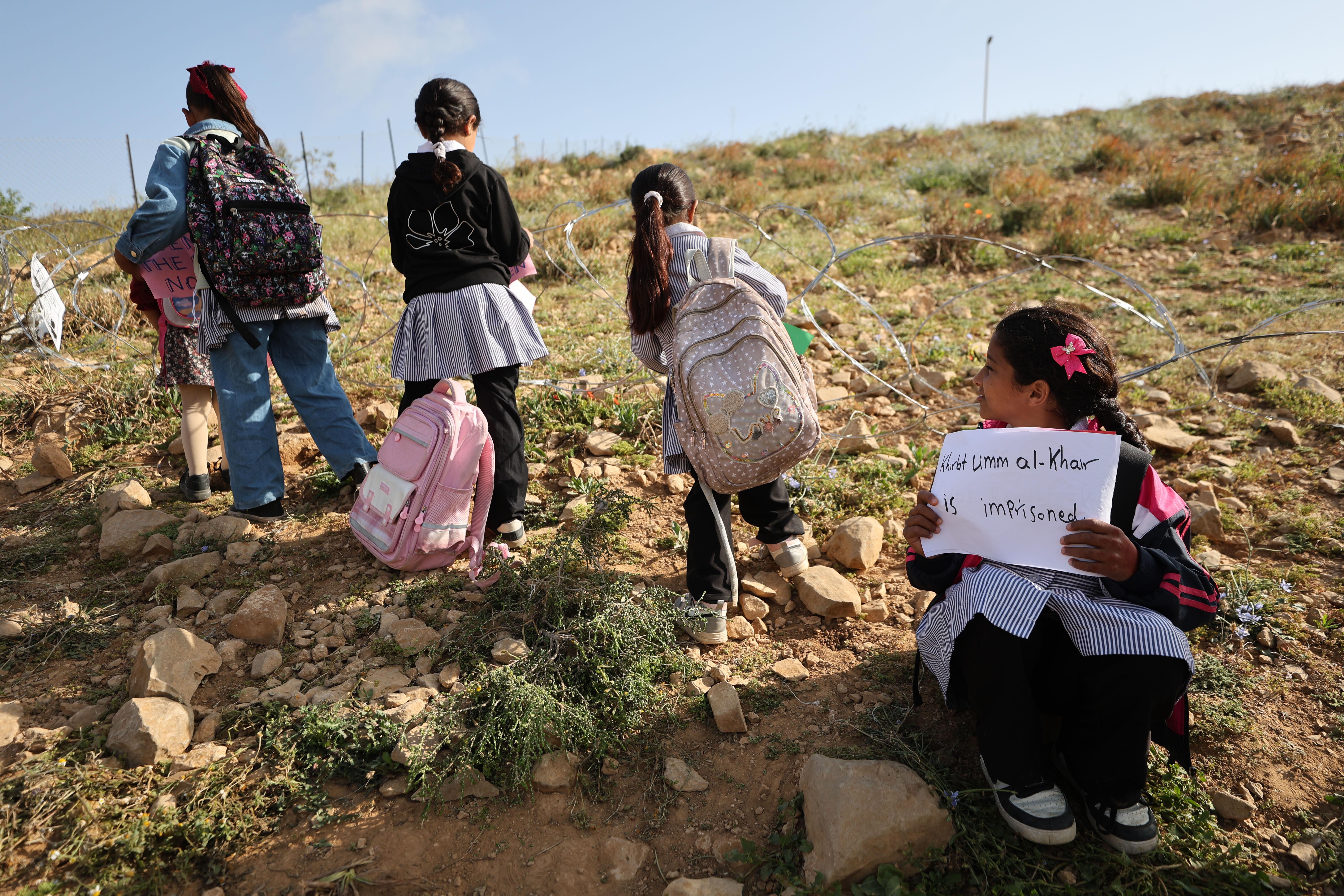
Since then, the road has remained closed. No school. No real alternative.
Many families in the village do not have reliable internet access or the equipment needed for online learning, leaving children to study at home and try to keep up with their lessons as best they can.
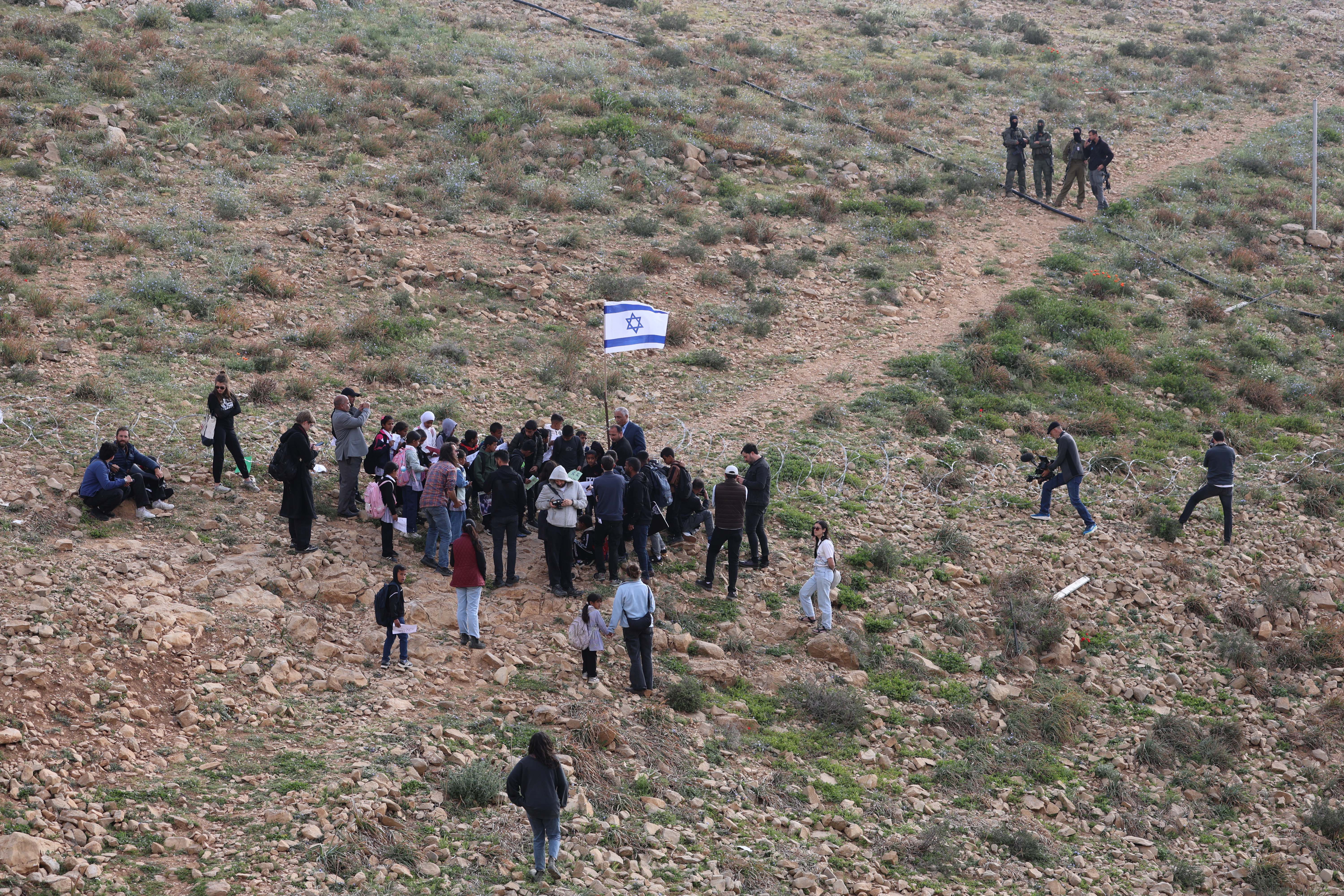
Their father says:
"My children went through two shocks: the violence, and being denied their education."
Sara dreams of becoming an engineer. Rashid wants to be a doctor. And Hajar hopes to become a lawyer. Simple dreams. But for now, they remain on the other side of the fence.
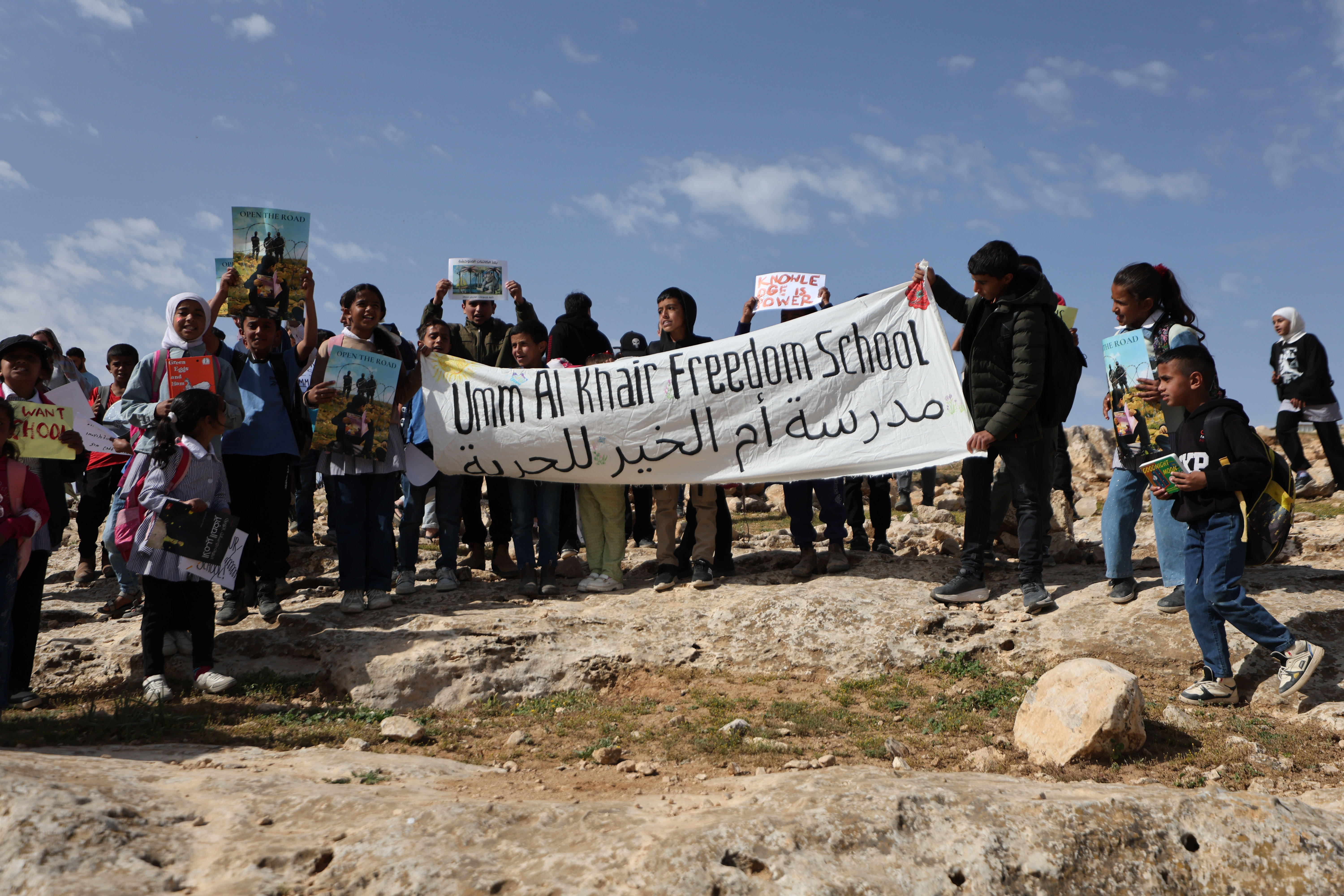
Still, the children have not stopped coming back. They stand near the barbed wire and call out:
"Open the road."
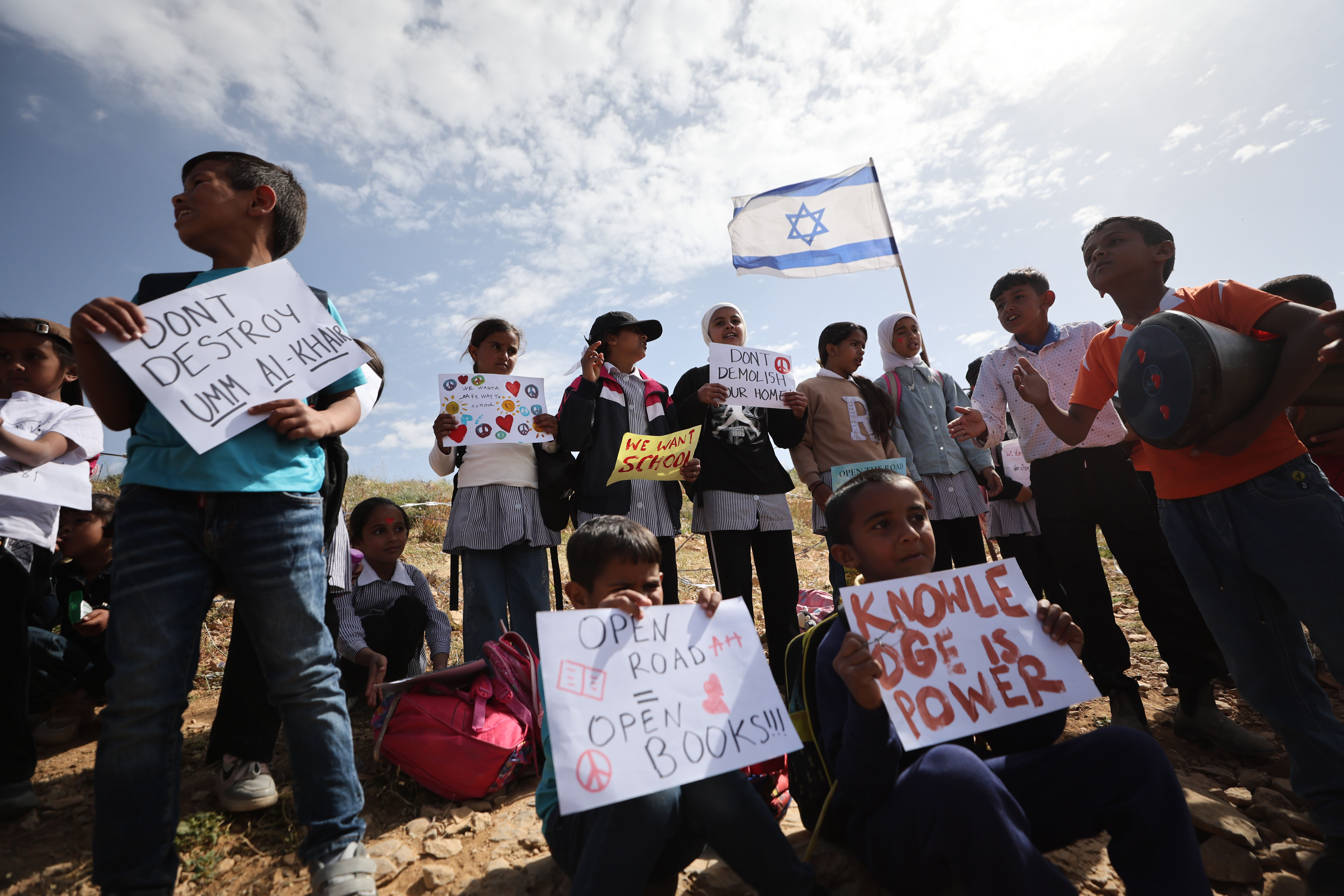
Meanwhile, parents who once watched their children walk toward school each morning now sit nearby, waiting for something much simpler: for the children of Um Al-Kheir to reach their classrooms again.