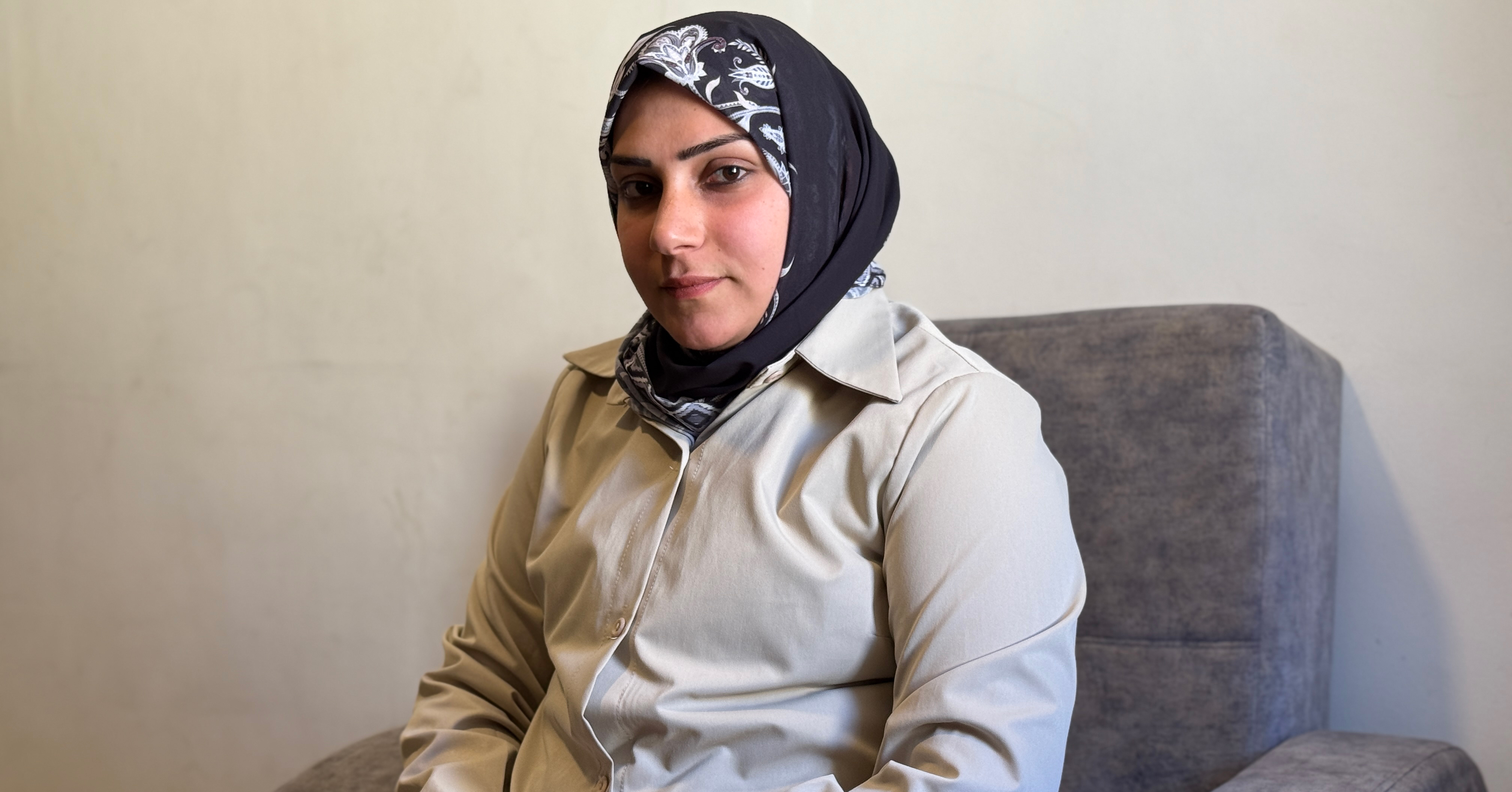
"I want to go back… even if it's just to a tent."
These are the words that open Wisal Al-Zaneen's story today — a survival that doesn't feel like survival, and a loss that is still unfolding even after she managed to leave Gaza.
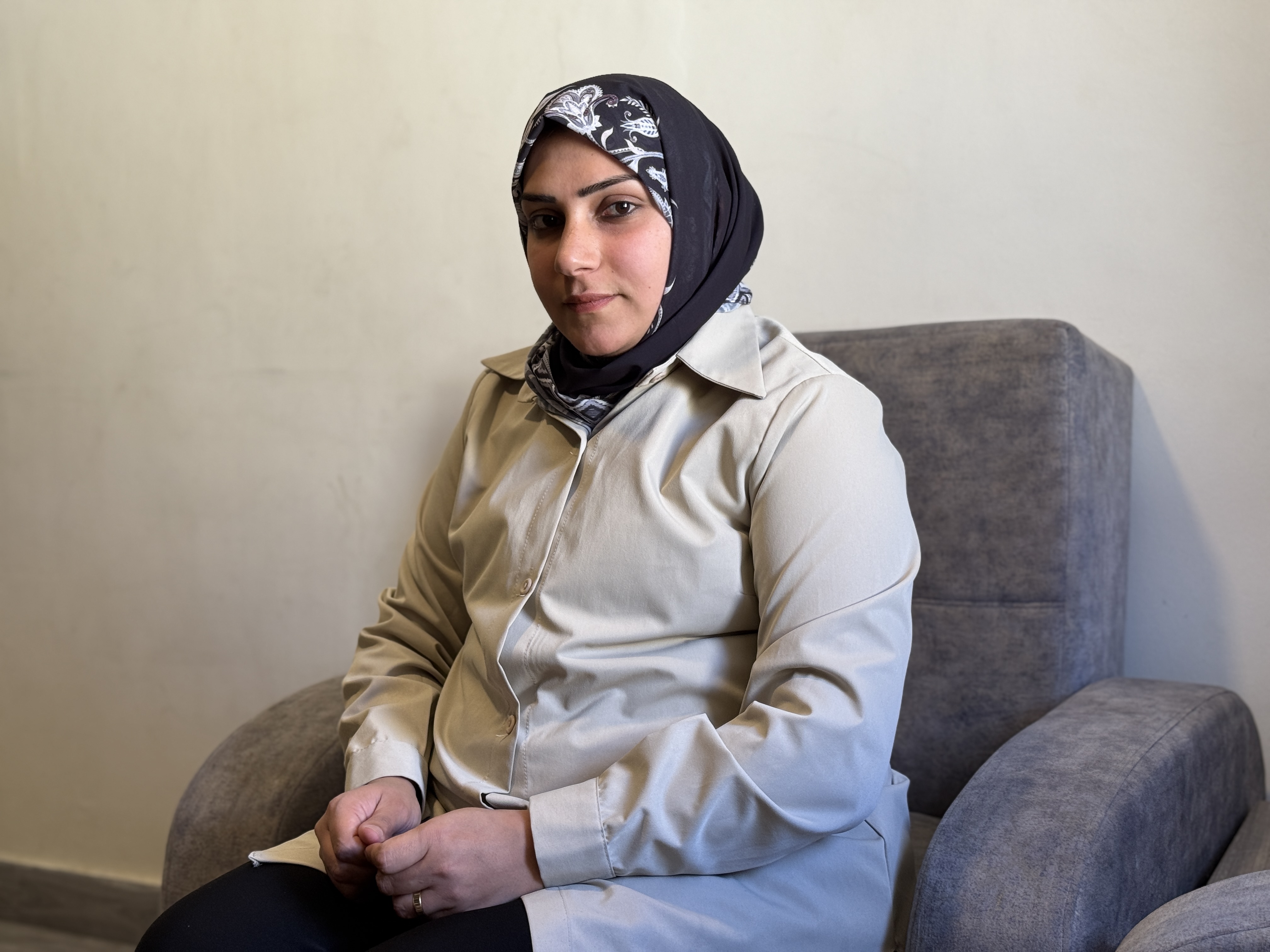
Before the war, Wisal lived with her husband and four children in northern Gaza, an ordinary life she never imagined would collapse the way it did. When the war began, she stayed in her home, trying to protect her children amid hunger, lack of water and medicine, and a fear that kept growing day after day — without ever thinking of leaving.
"We dug into the walls of the house to escape the tanks… my father-in-law was injured in front of my eyes and I couldn't help him."
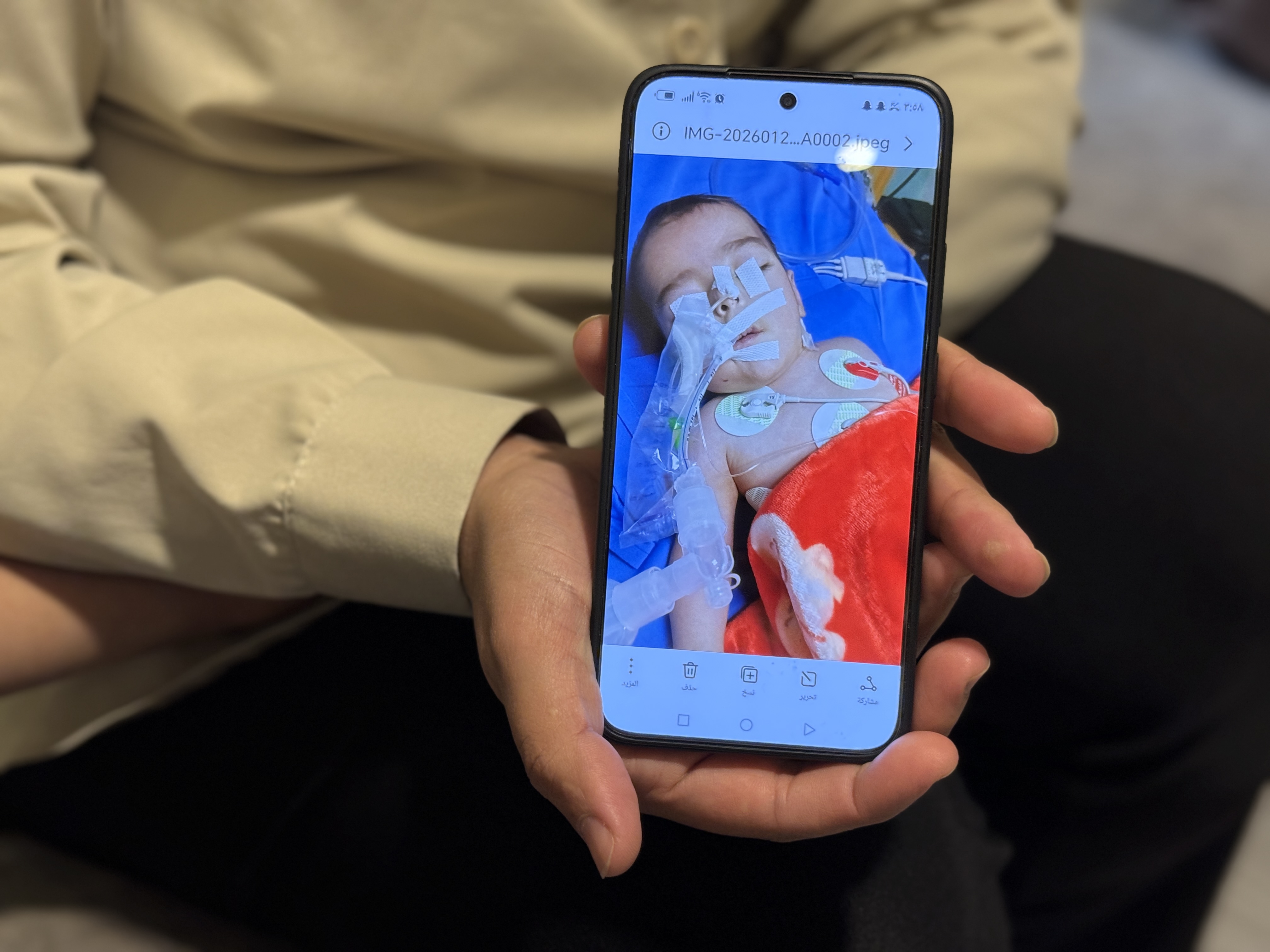
During that time, Wisal was pregnant with her son Mohammad. She says the pregnancy passed under extremely harsh conditions, with no proper nutrition or medical care, and that he was later born with severe heart defects that required urgent treatment outside Gaza. But approval for travel took five long months.
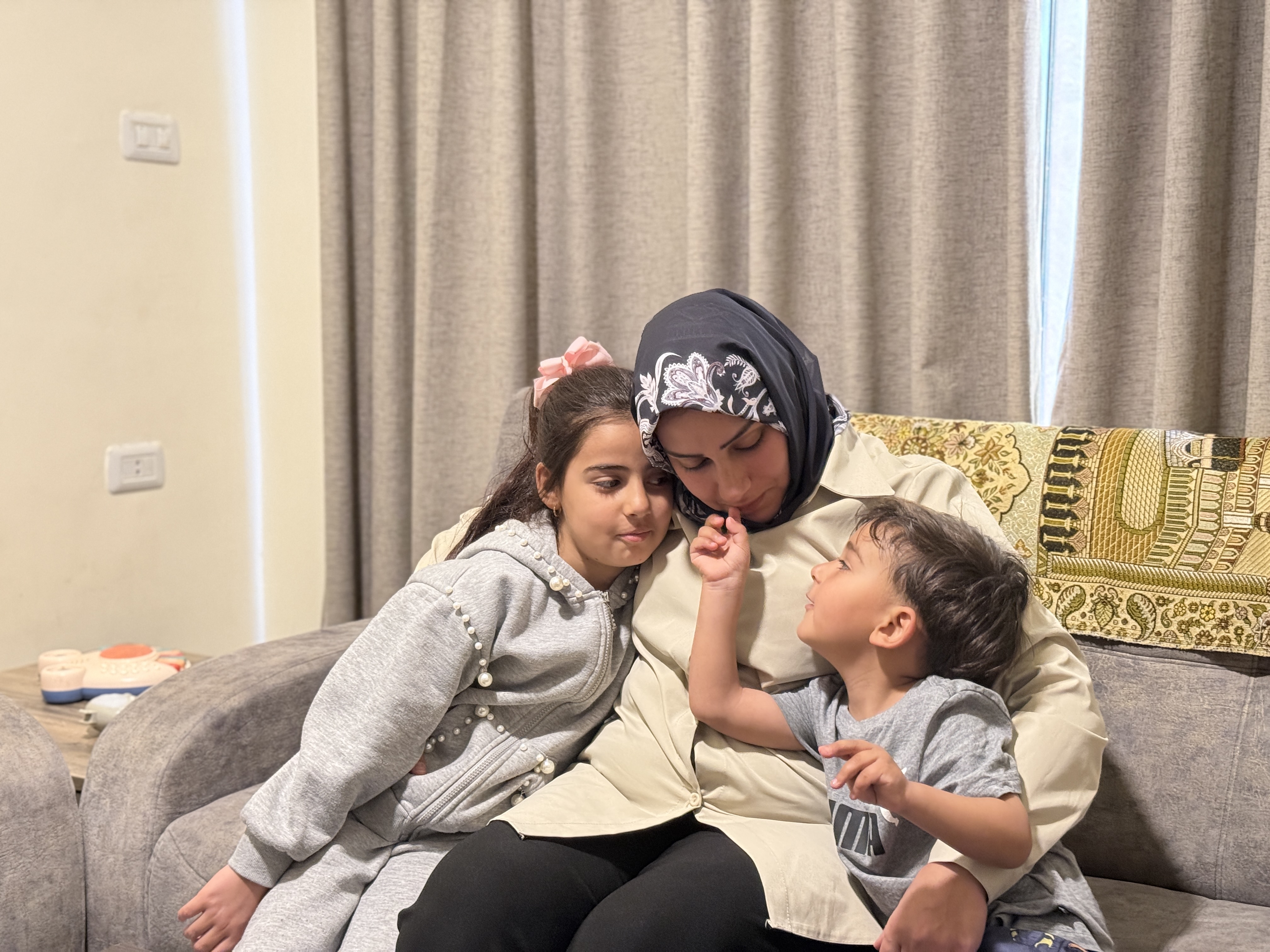
After a long wait, Wisal finally reached Jordan with her children Qamar and Adam and her sick baby Mohammad, while her husband and another son, Yamen, remained in Gaza.
"Jordan is safe… people helped us at the beginning, but my heart was burning for Mohammad."
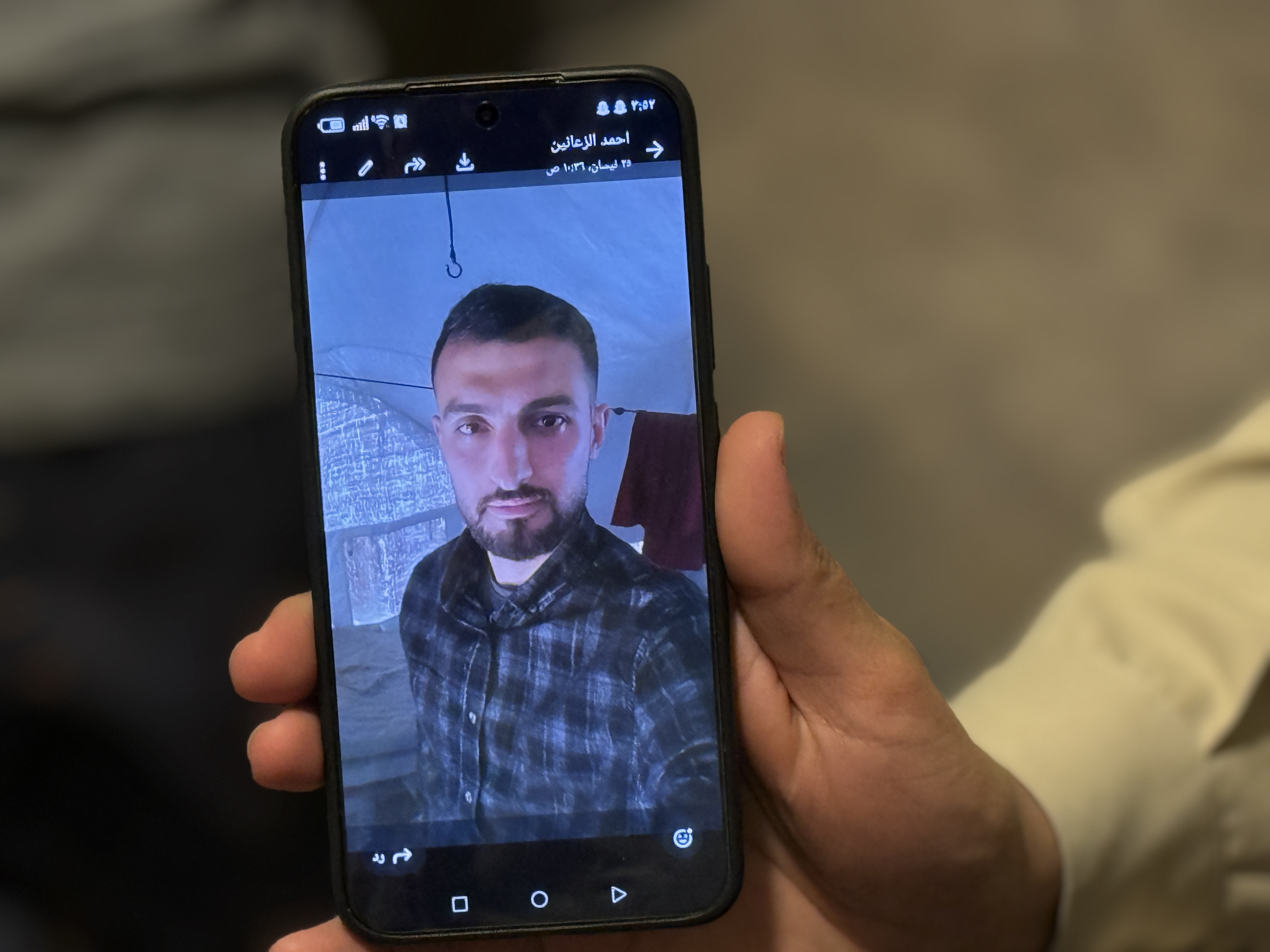
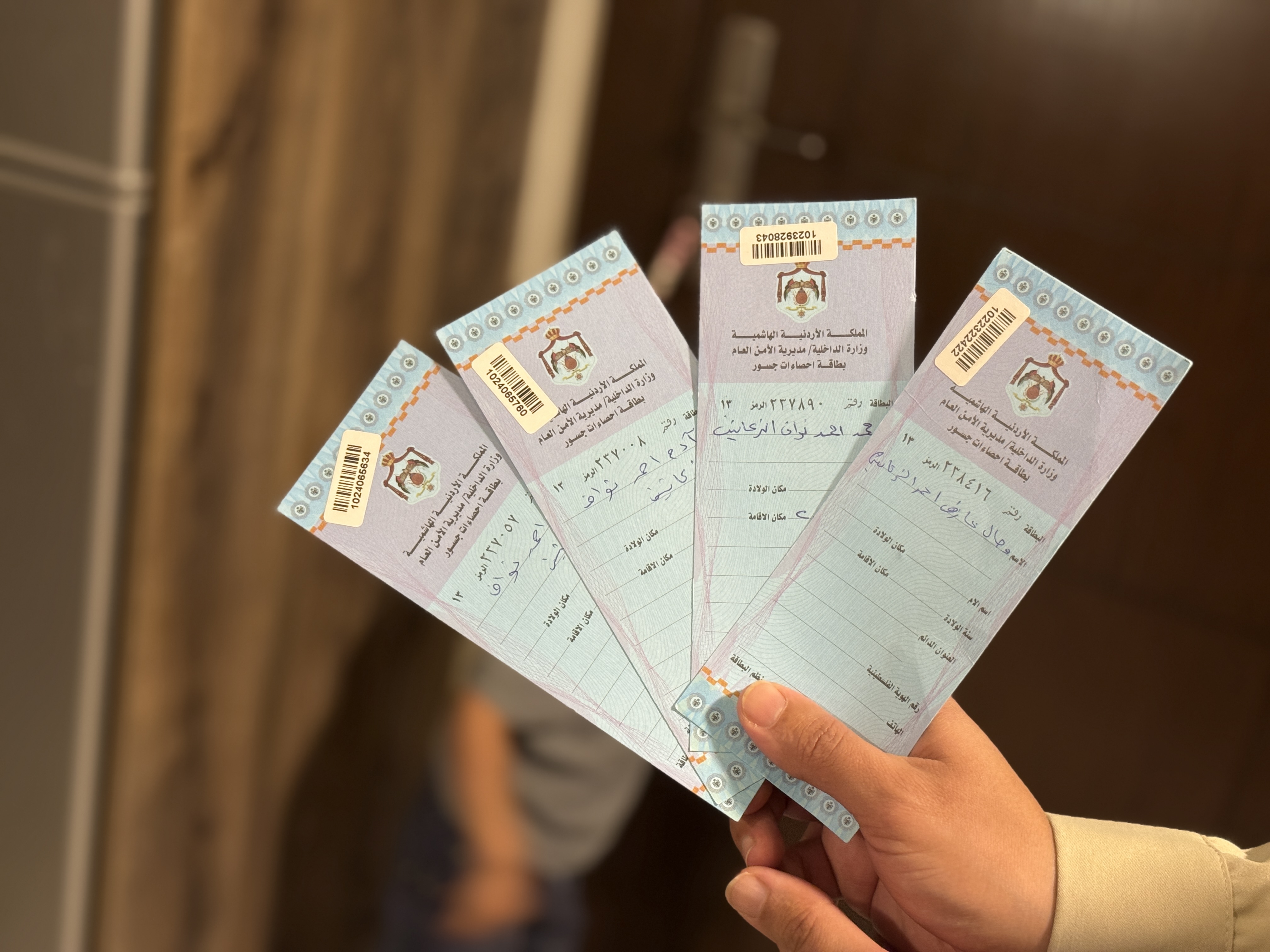
But even after reaching safety, the story did not end. Mohammad underwent a complex surgery, before his condition worsened. In January 2026, Wisal lost him, and he was buried in Jordan — far from Gaza and far from the home he never truly lived outside of war.
"We all got attached to Mohammad… me and his siblings who came out of Gaza with me. I don't know how I can go back without him."
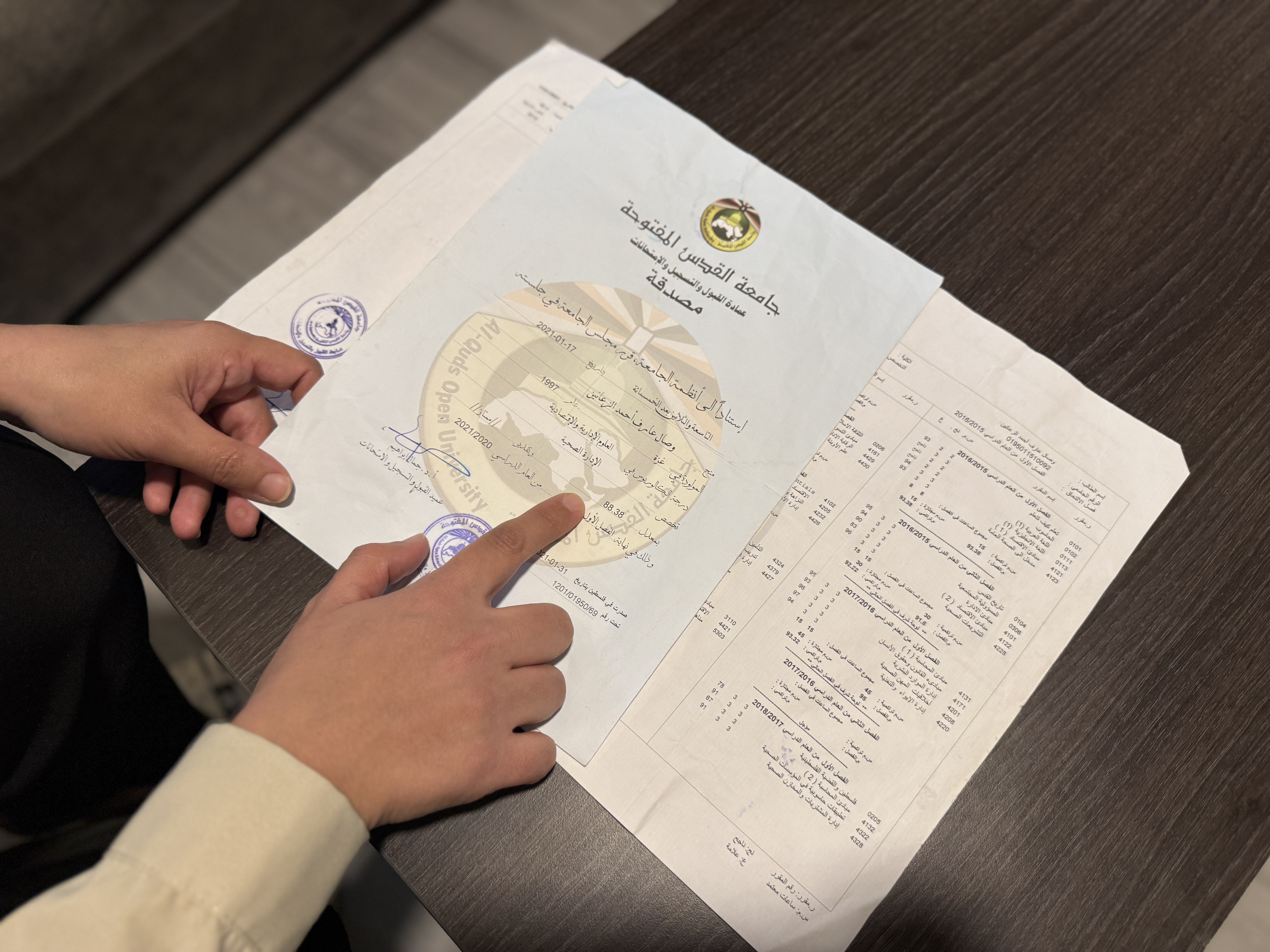
Today, Wisal is trying to survive between grief and responsibility, looking for work in her field as a public health graduate so she can support her family still in northern Gaza. But she hasn't been able to find a job yet.
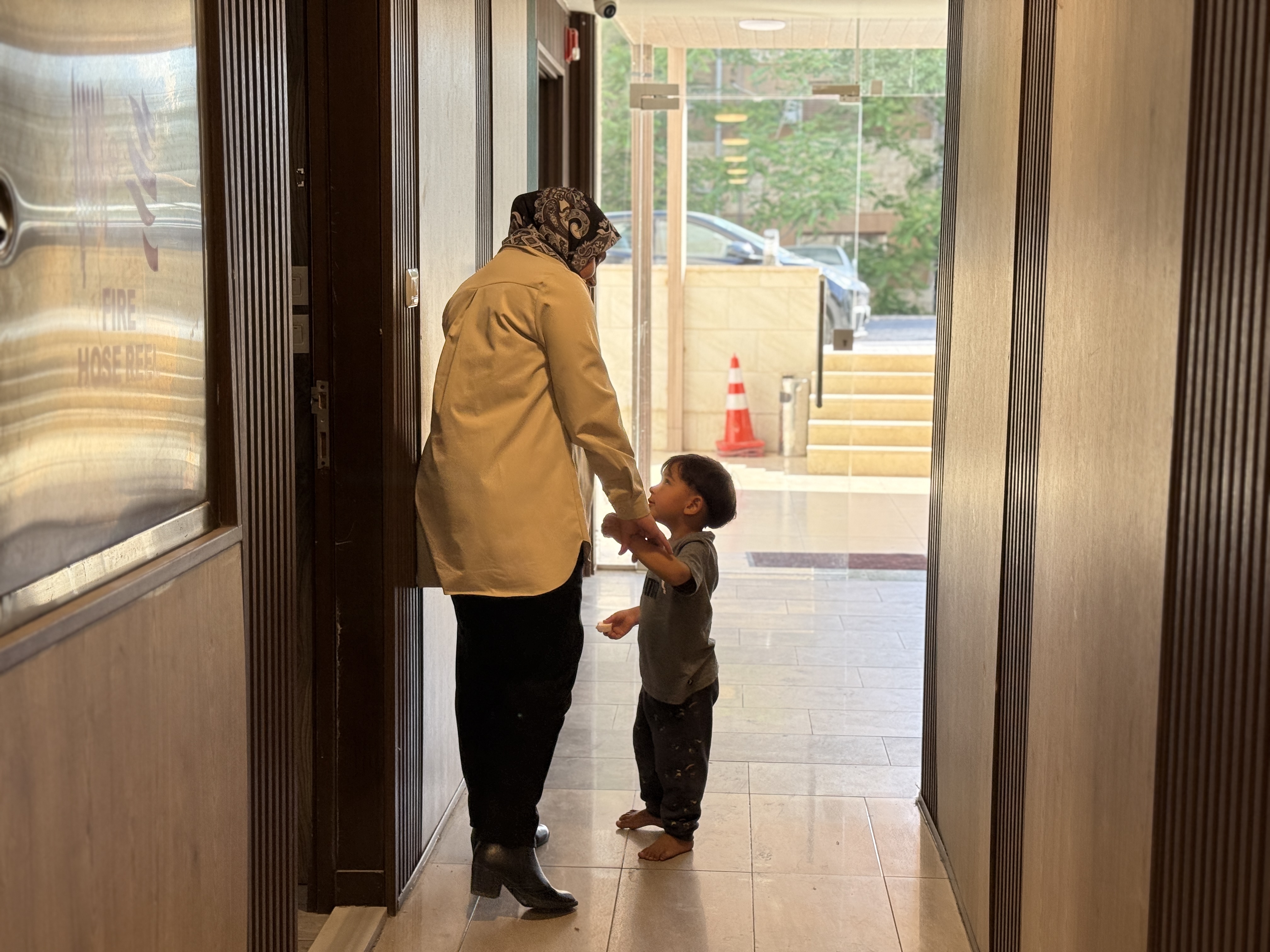
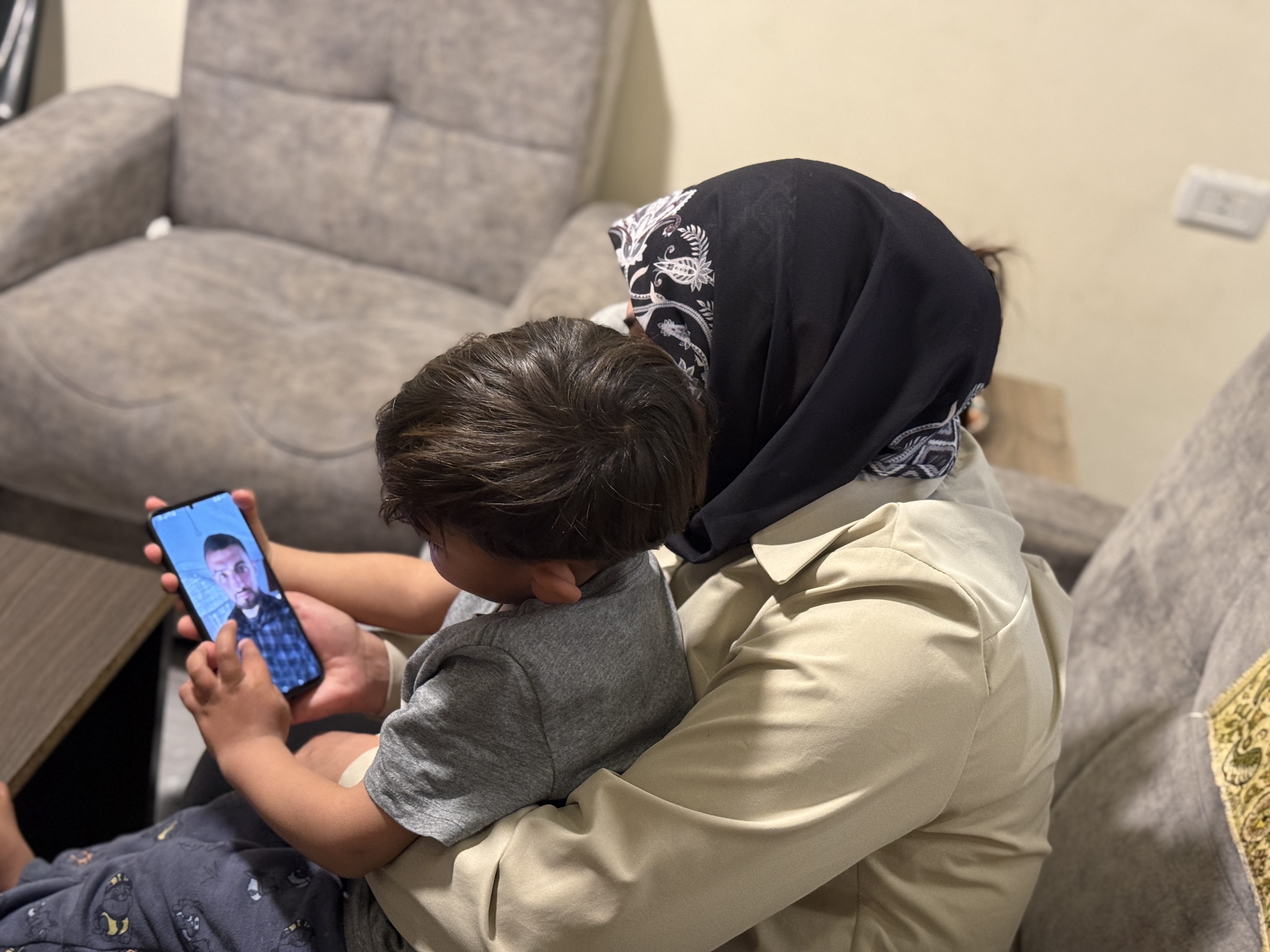
She says the hardest part is not the distance alone, but being unable to reach them while they continue living through bombardment and hunger. She only hears her husband and child every two days or so, through a short voice call with no video.
"I just hear their voices and feel reassured they are alive."
Her attempts to return to Gaza have been blocked each time, after her travel coordination at the border was cancelled three times.
Still, Wisal holds on to one idea: returning, in any form it takes.
"The house is gone… but I want to go back even if it's just a tent, or bring my husband and son here, and live without war… we want safety and a life without bombing."