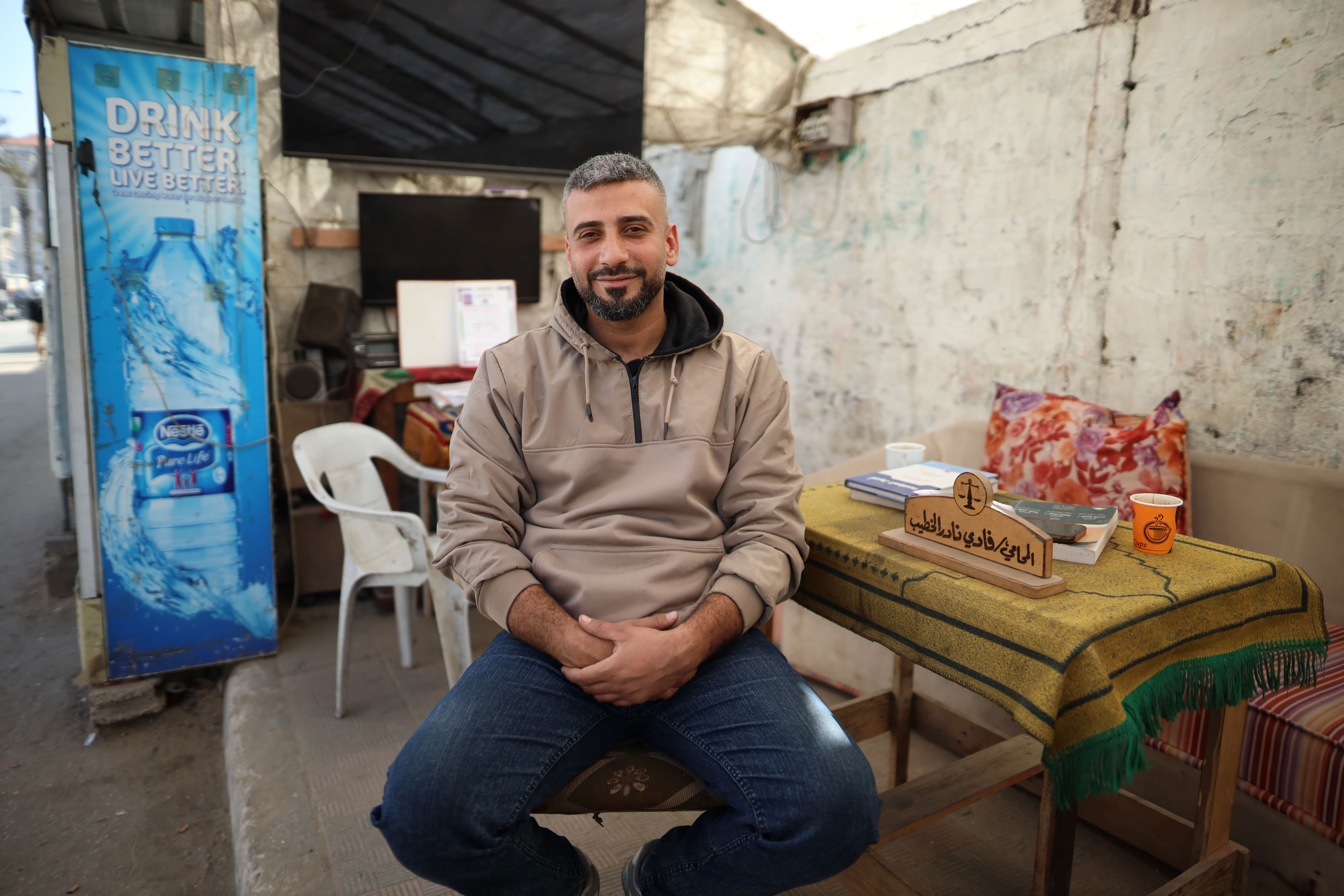
On a roadside in Gaza, Fadi Al-Khatib, 33, a lawyer from Al-Bureij refugee camp, stands beside a small café he built during the war.
Displaced three times, Fadi no longer has an office bearing his name, nor a private space to meet his clients. But his responsibility as a lawyer did not stop.
Before the war, he had a home, a car, and a legal office. He lost them all.
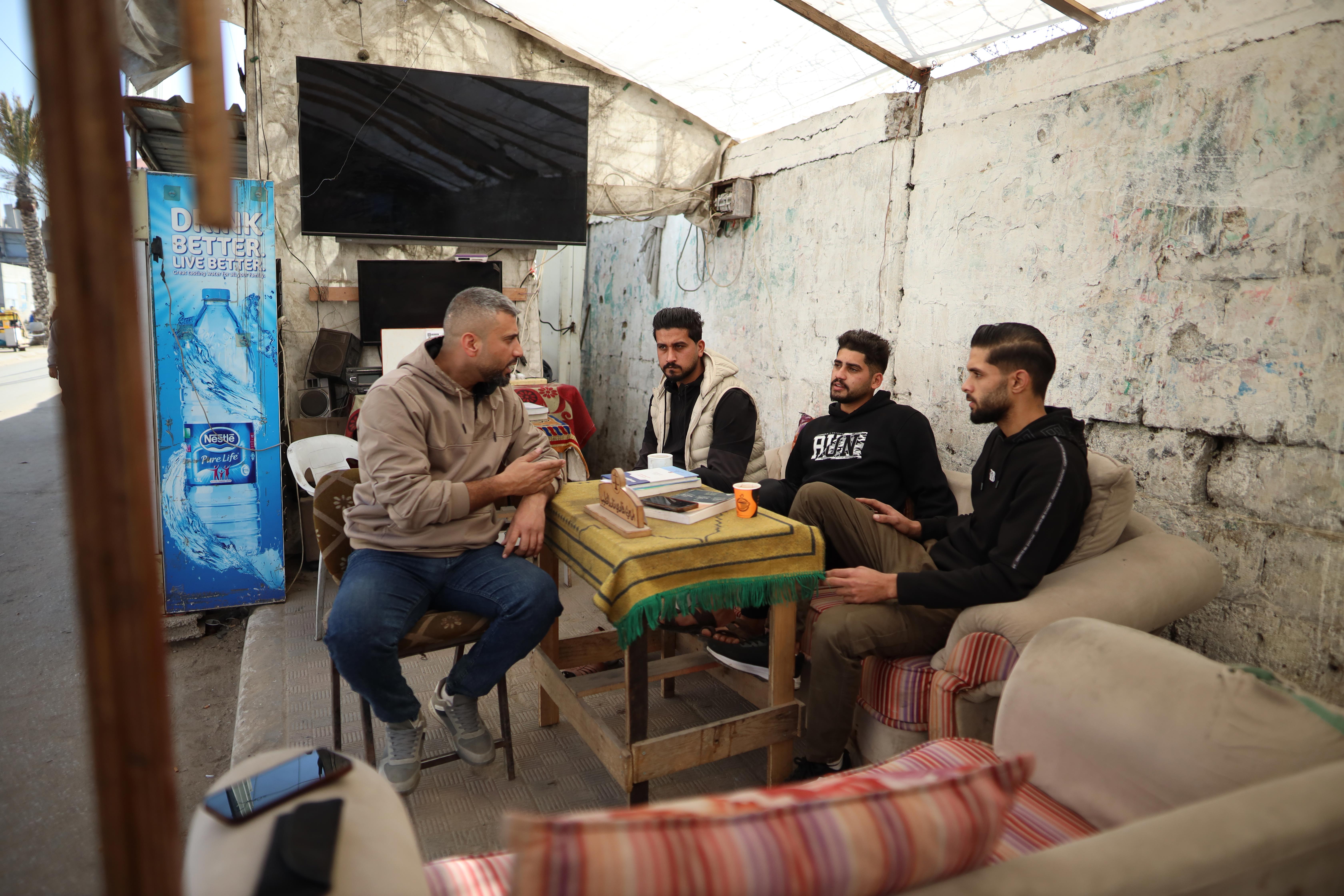
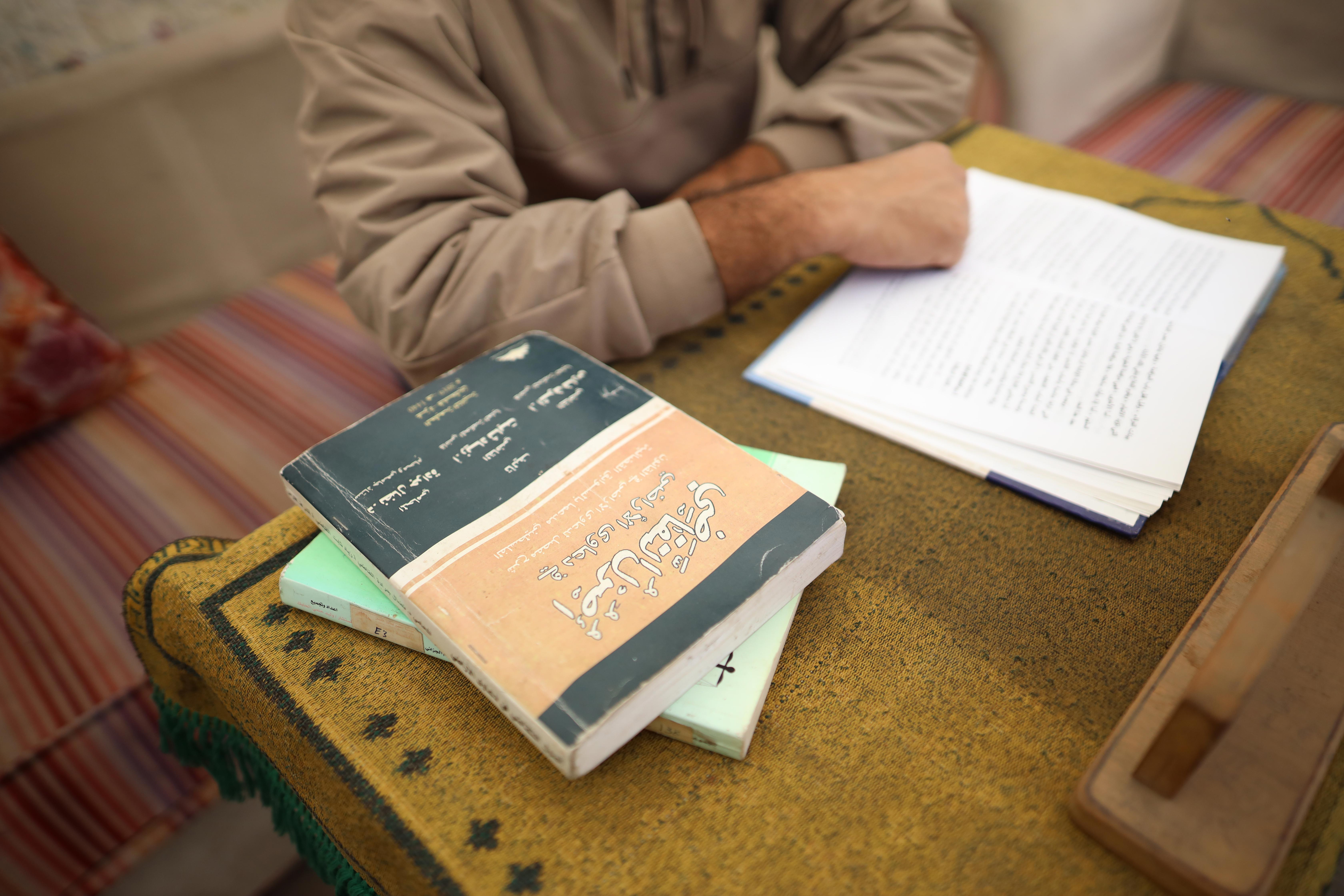
He tried to rent a new place, but soaring rents, insecurity, and the surrounding destruction made returning to a traditional office nearly impossible. At the same time, he still needed to support his family.
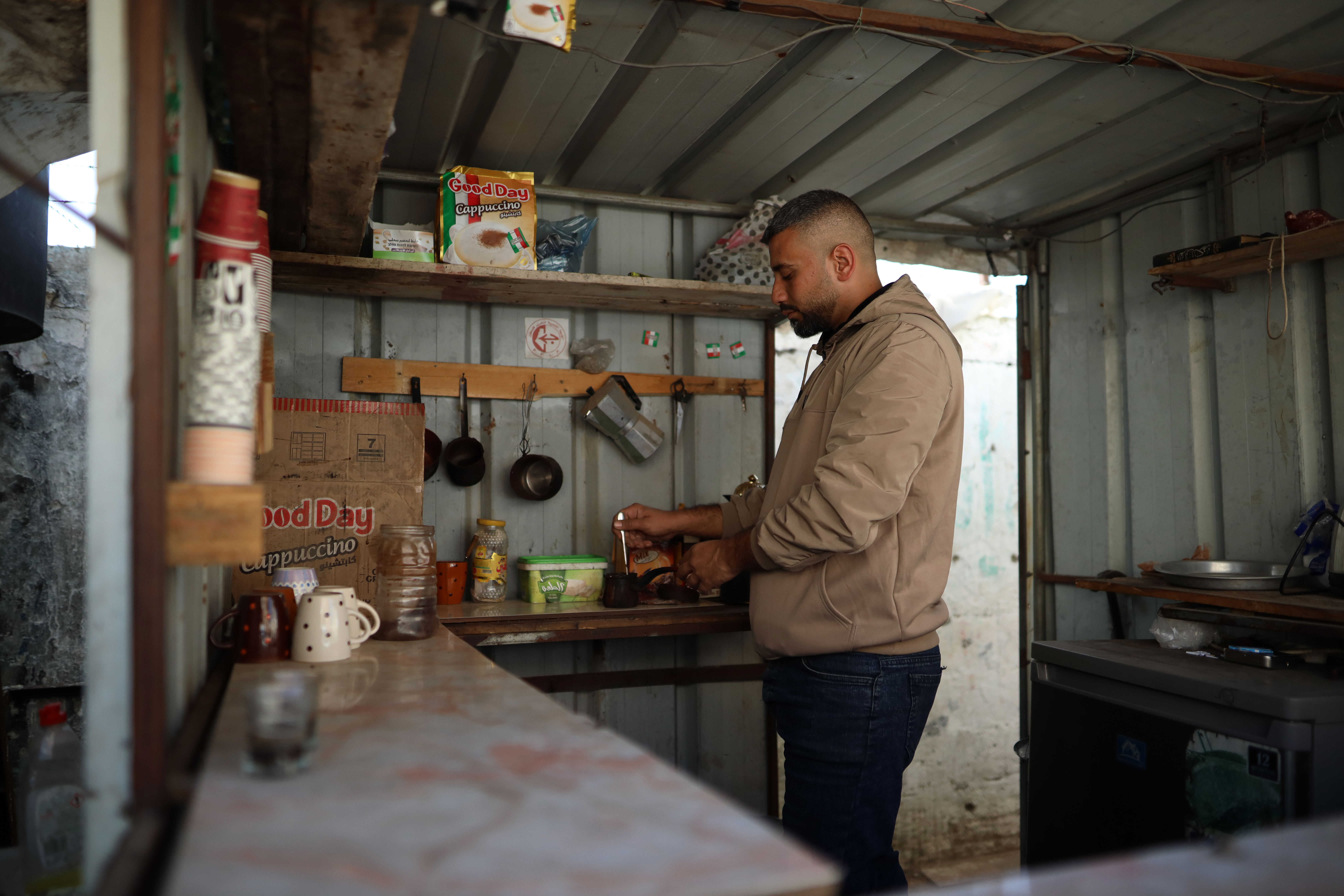
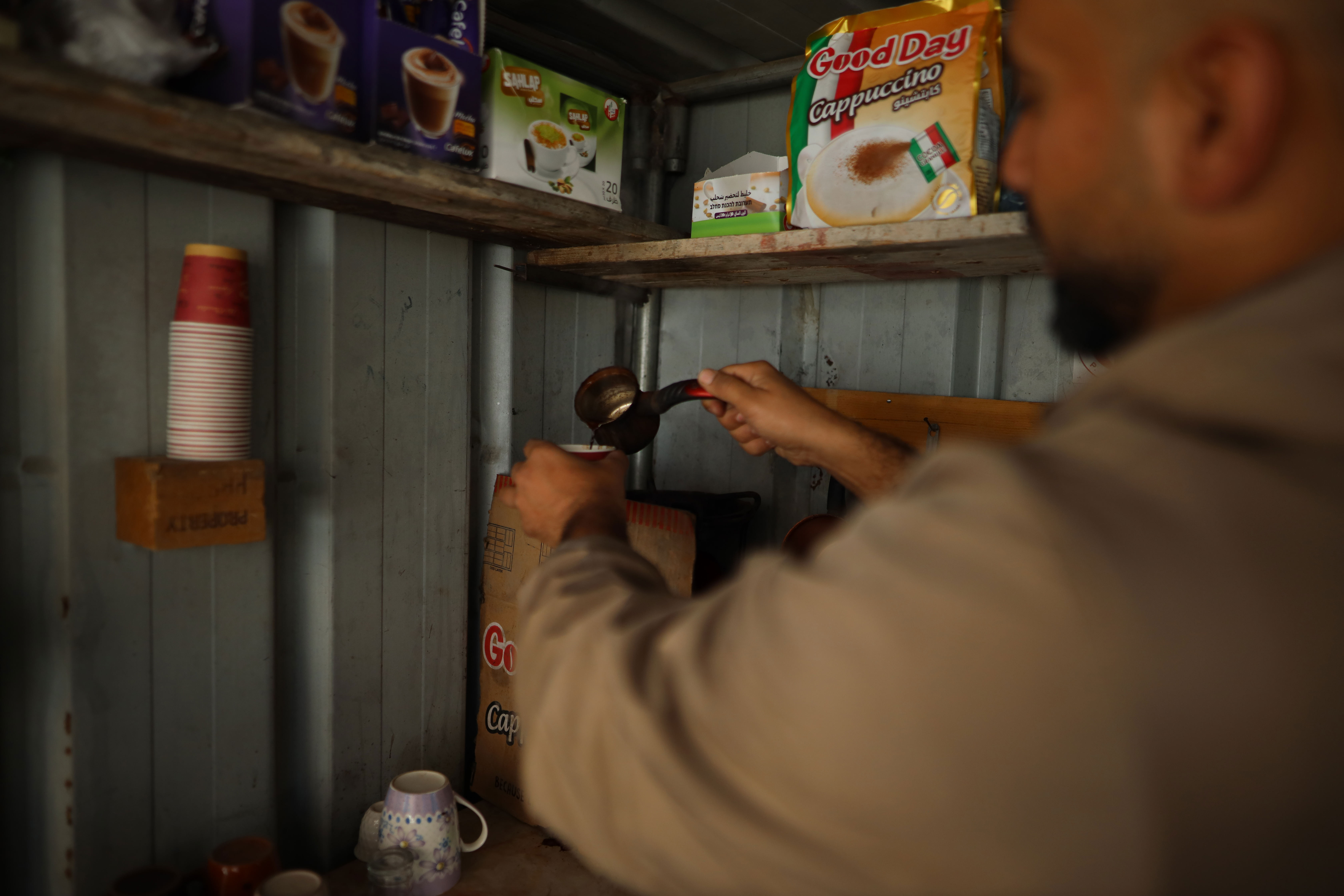
Fadi did not want to offer legal consultations directly from the street.
So he came up with a practical idea: he opened a small roadside café.
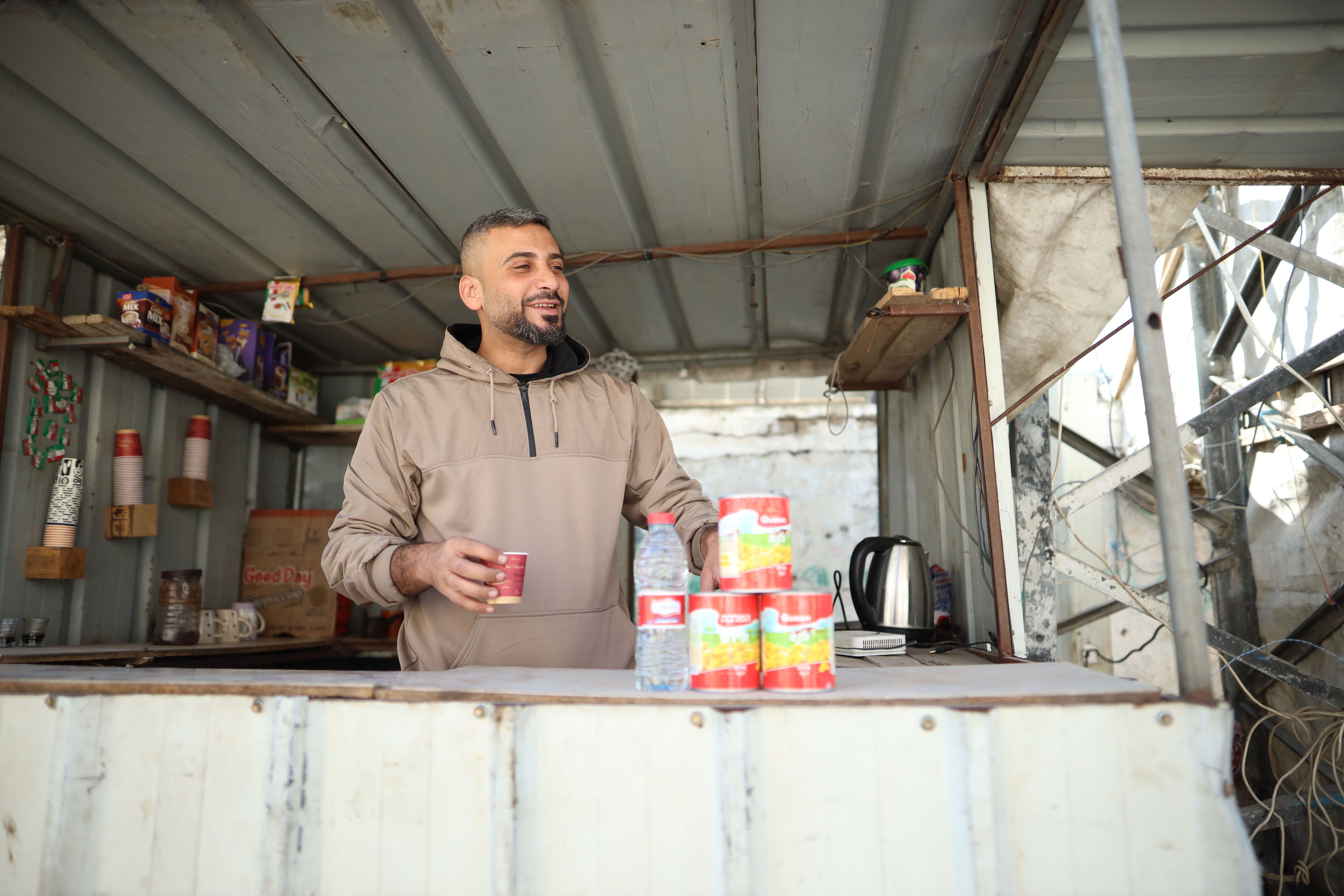
Simple tables, hot drinks, and a place where people first arrive as customers — then learn that the owner is a lawyer.
“Work is never shameful, even with the simplest resources. What matters is that we keep trying,” Fadi says.
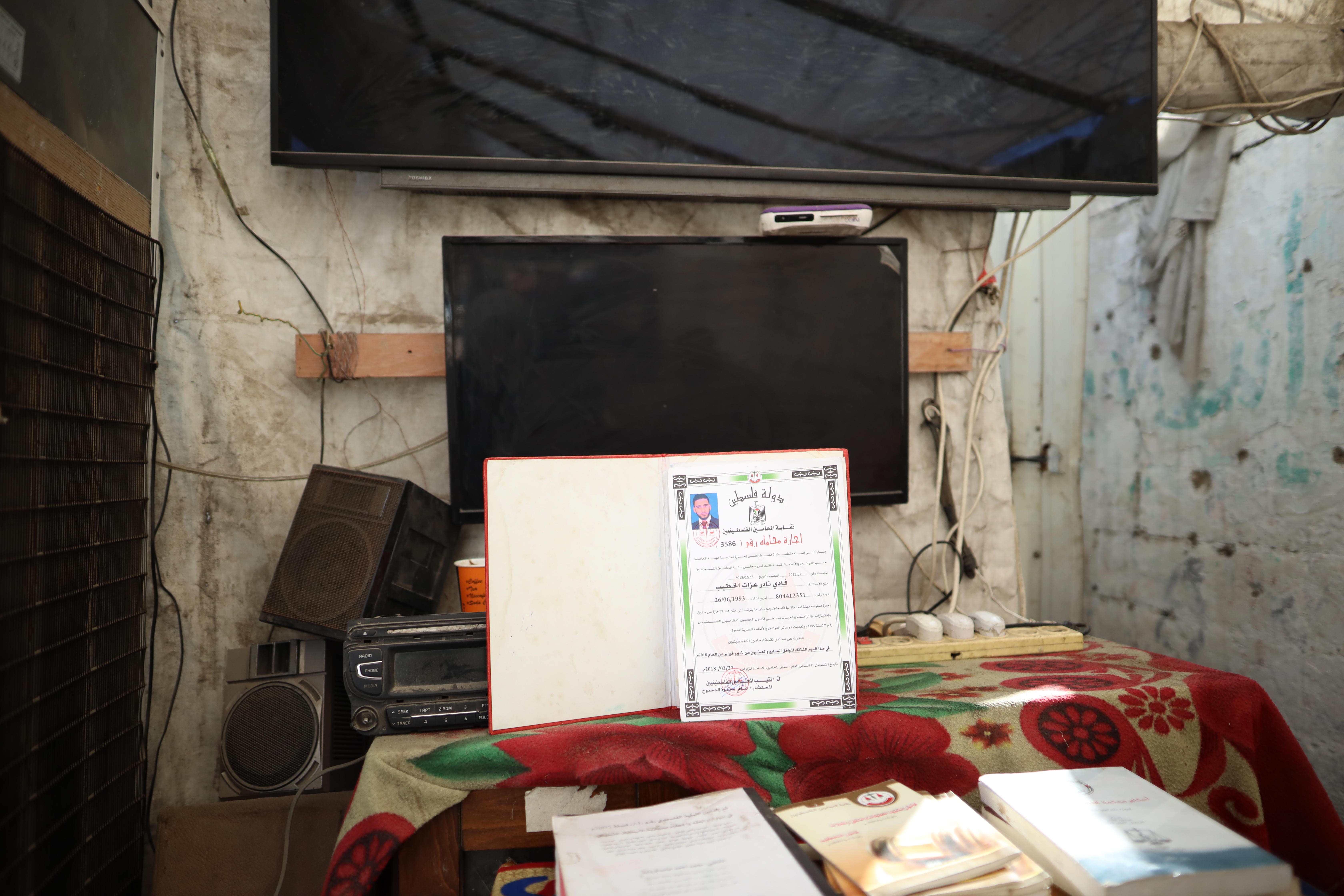
Little by little, the café became a point for legal advice.
Between cups of coffee and legal files, Fadi found a way back to his profession in a different form. When he is busy with a case or consultation, his assistant runs the café.
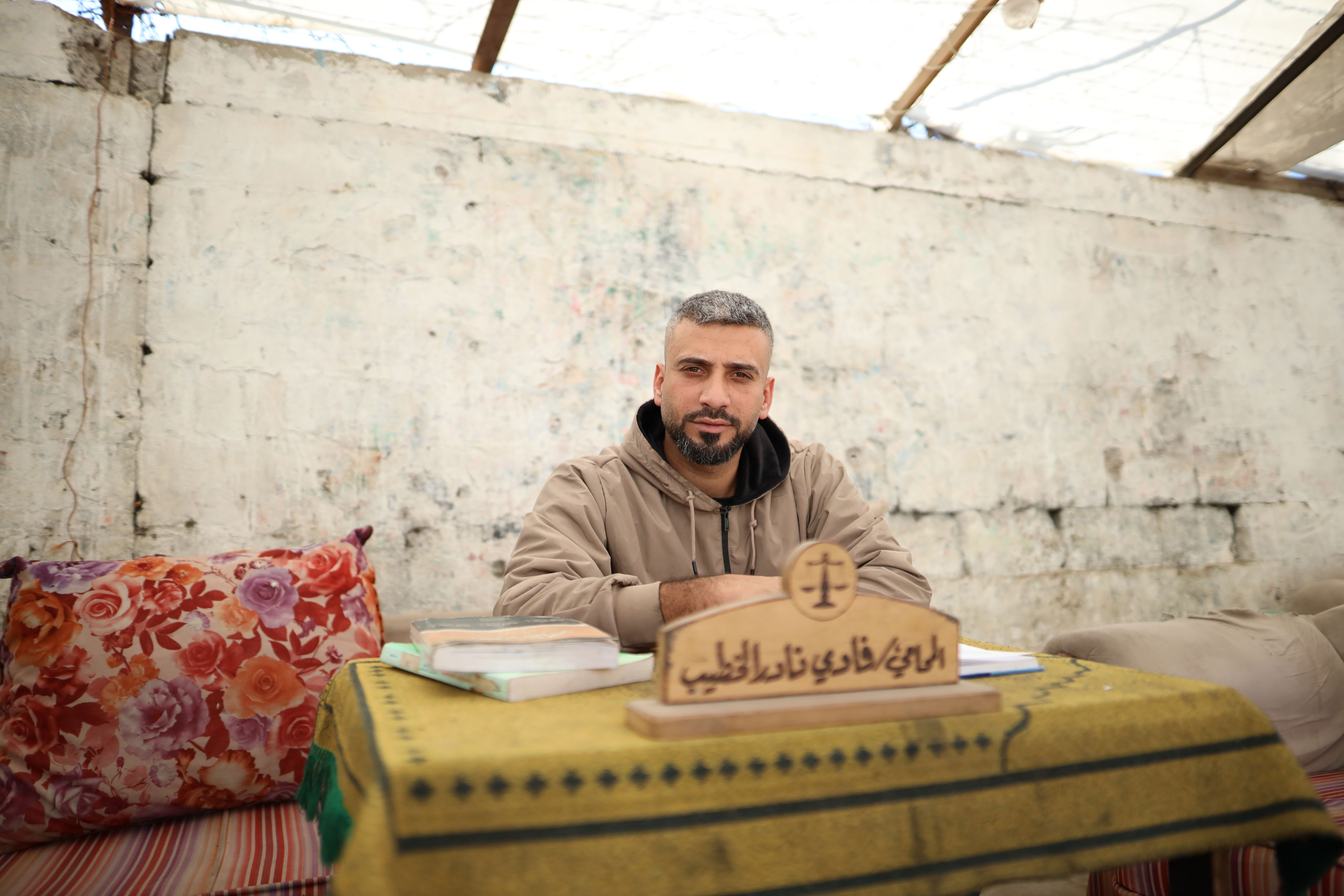
From the loss of his office and the need to provide for his family, the project was born.
It is not a replacement for his legal work — but a way to keep practicing it in a reality that leaves few options.