“It’s not just a craft, it’s a heritage. Wherever I go, I take it with me.” – Muhammad Al-Abrash

In the Al-Khalidiya neighborhood of Homs, Muhammad Bilal Al-Abrash, a 36-year-old Syrian. He lost his parents when he was young, and one day his uncle told him, “You have to learn a craft that will support you and remain in your hands.”

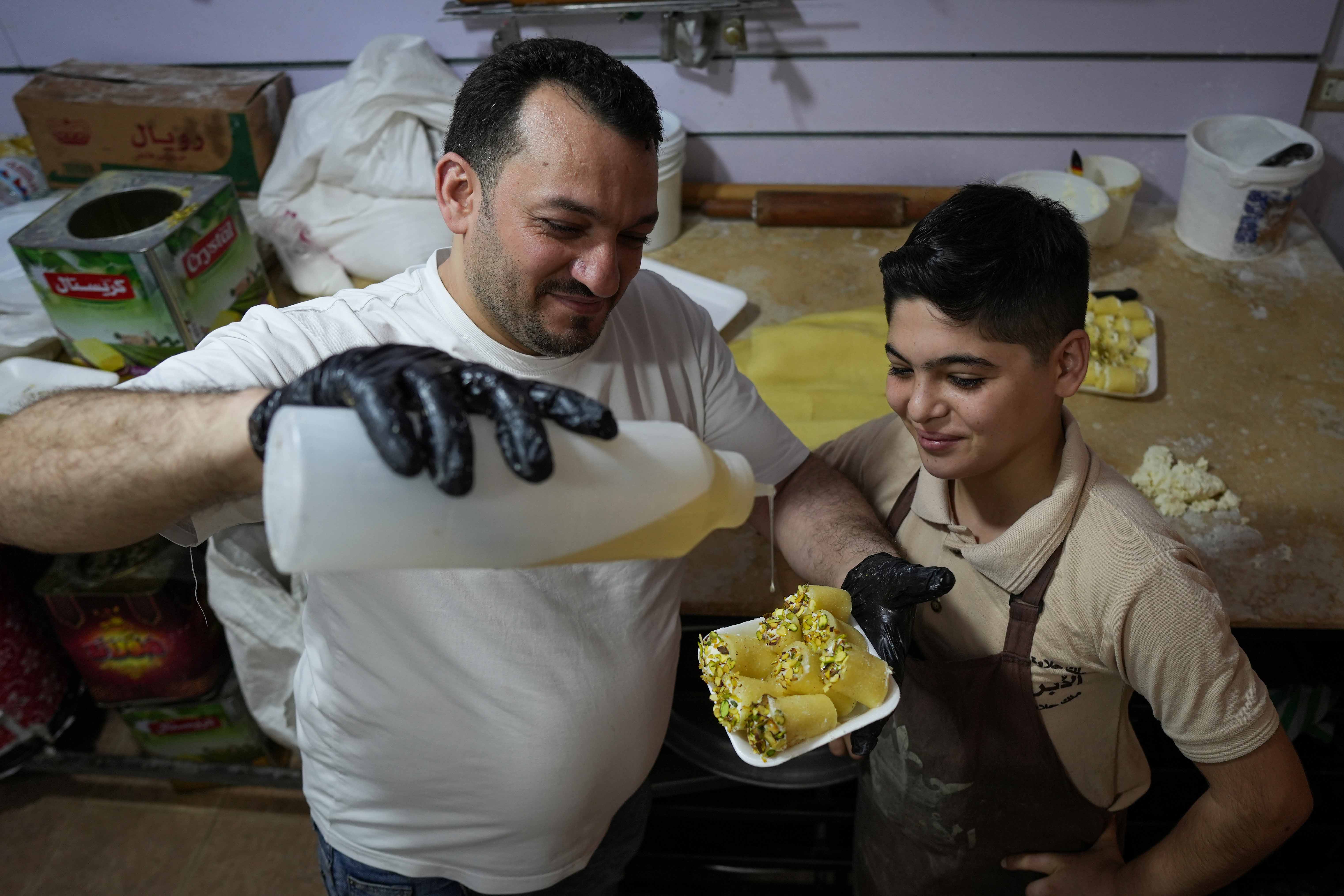
So Muhammad decided to learn the craft of making “Halawet el-jibn” ( a Levantine dessert made of a semolina and cheese dough, filled with qishta) from the Al-Sawwas family, who were among the first to make it in Homs. He says, “I was young, and they used to say: This recipe has its secrets, not just anyone can learn it. But I kept insisting, observing and learning little by little… until I mastered it.”

During the recent war in Syria, Muhammad was forced to flee to Lebanon, then to Egypt. He says, “I was scared at first, a new country, new people… I wondered, will the Egyptians like it?”
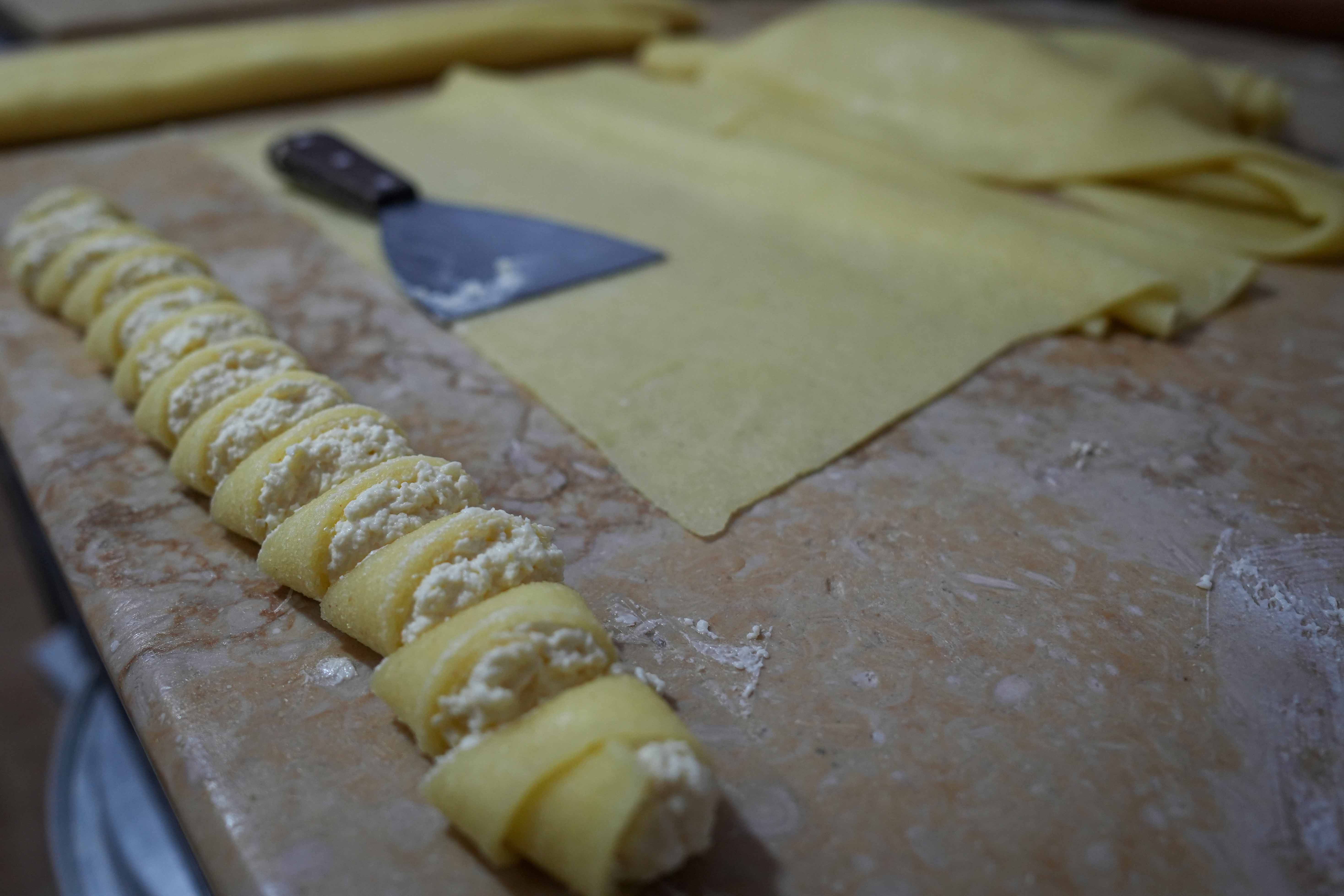
In Cairo, Mohammed decided to continue his craft, making Halawet el-Jibn just as he knew in Homs—with the same recipe and ingredients: orange blossom water, mastic, and rose petals. Each time he makes it, as if he's returning back to his homeland.
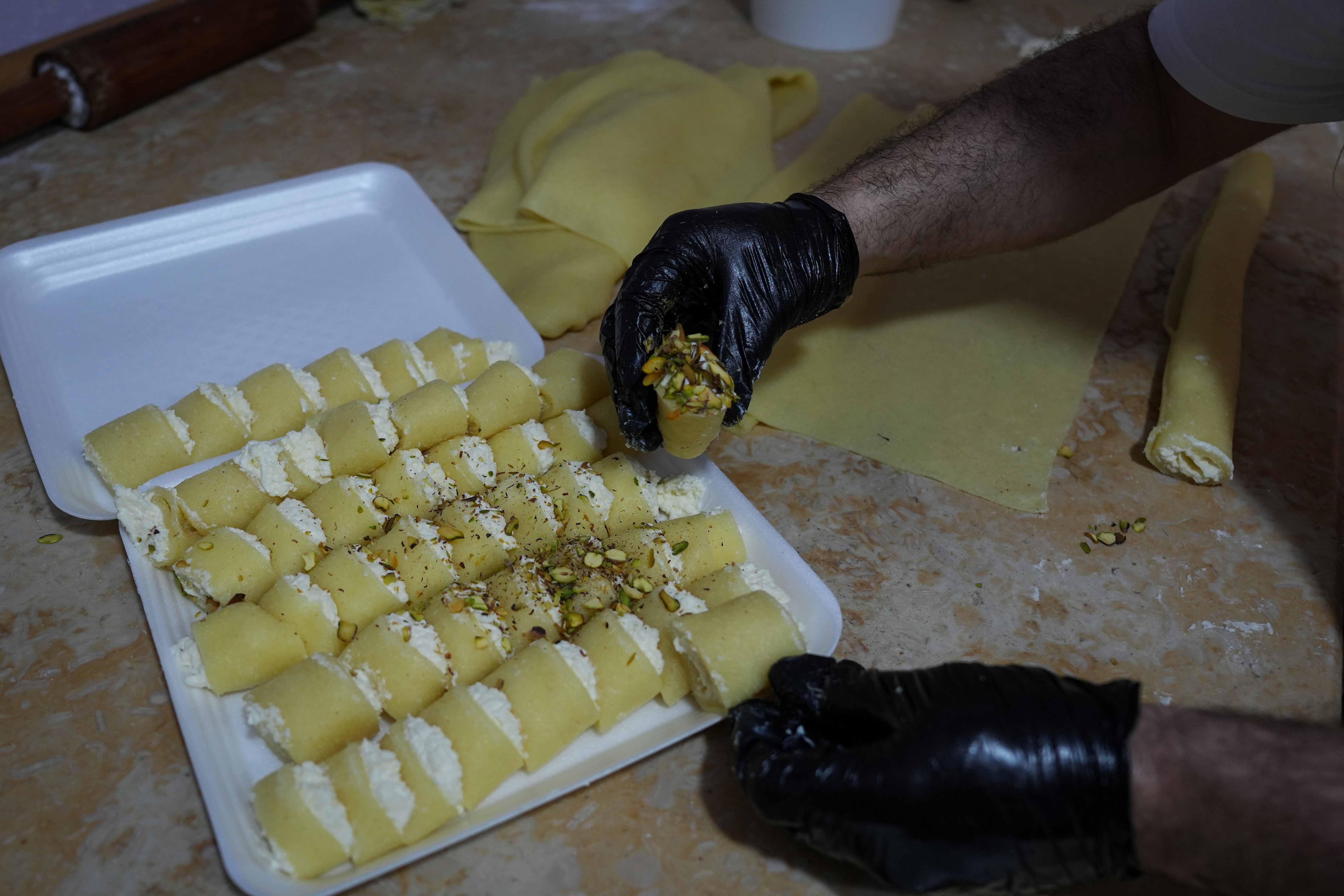
“When I’m making Halawet el-Jiban, I feel like I’m in Syria… I smell the scents of the old neighborhood, and I hear the voices of the people”

Today, Mohammed is teaching his nephew, Mahmoud, the secrets of this recipe. “I’m happy that he loves it as much as I do, and I want him to continue it… because if we don’t pass it to our children, it’s gone.”