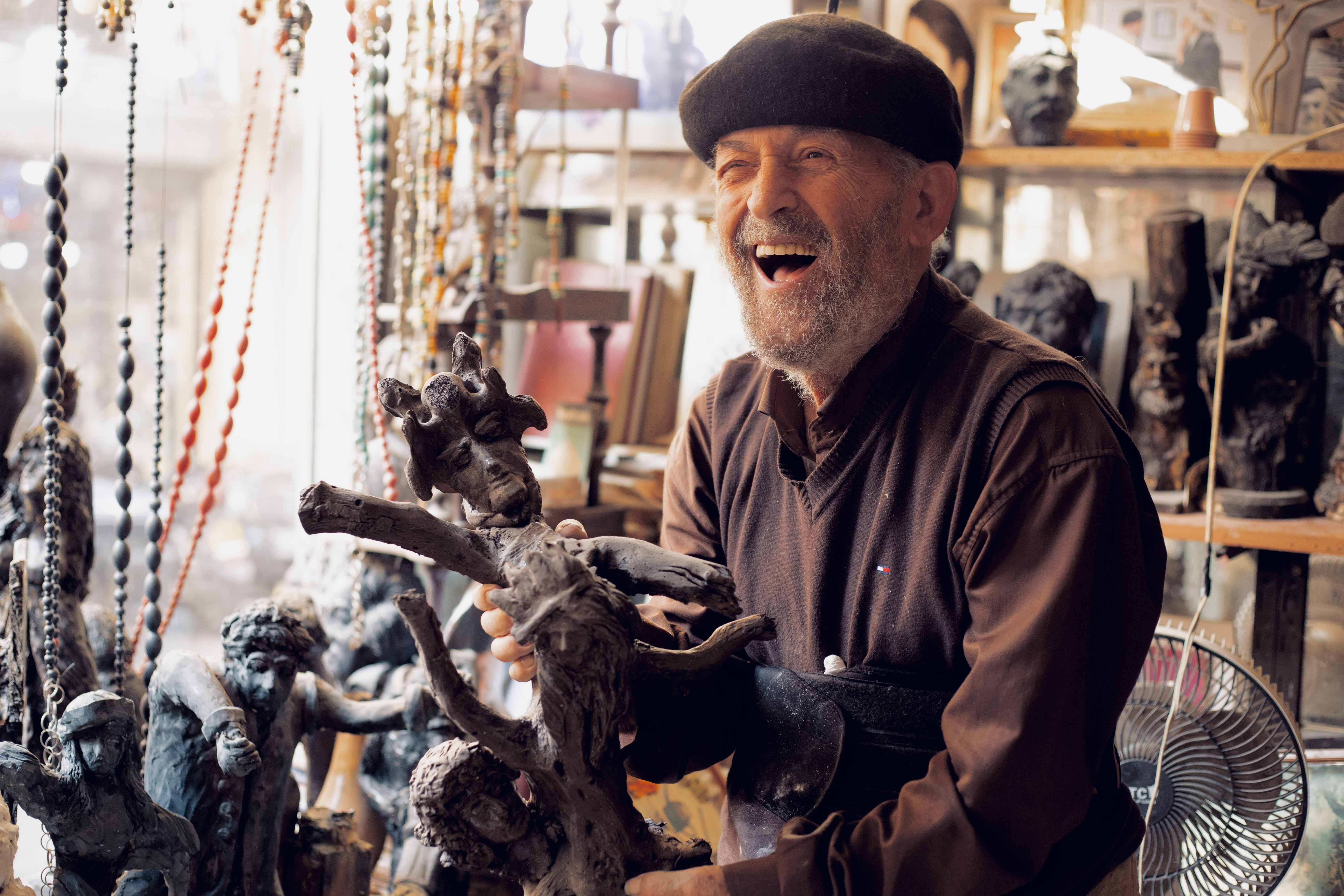
In a small workshop in Bourj Hammoud, Ashod Tazian still begins his day every morning in the same way. He touches the stone with his hand, as if making sure it is still alive. Despite being eighty-nine years old, sculpture remains part of his daily life—not as a job, but as a life he cannot abandon.
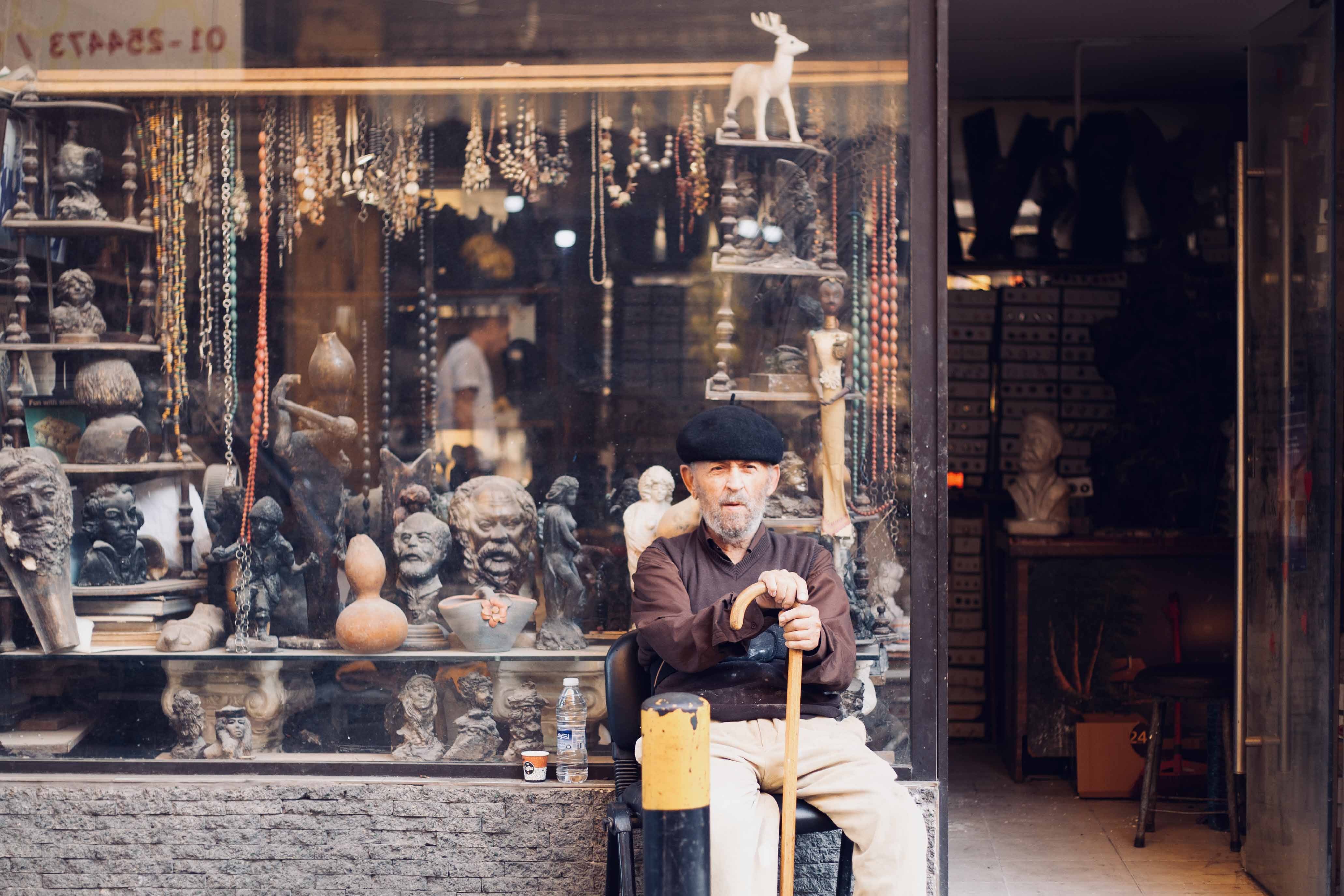
Tazian was born in 1936 in Musa Dagh and grew up within the Armenian community, where he learned sculpture under the guidance of an Armenian mentor. From an early age, he was drawn to stone and wood—materials that hold the possibility of transformation into a face or a form he carefully chooses. In 1956, he began practicing sculpture seriously, before opening his own workshop in 1980 in Bourj Hammoud, a place that remains, to this day, the center of his everyday life.

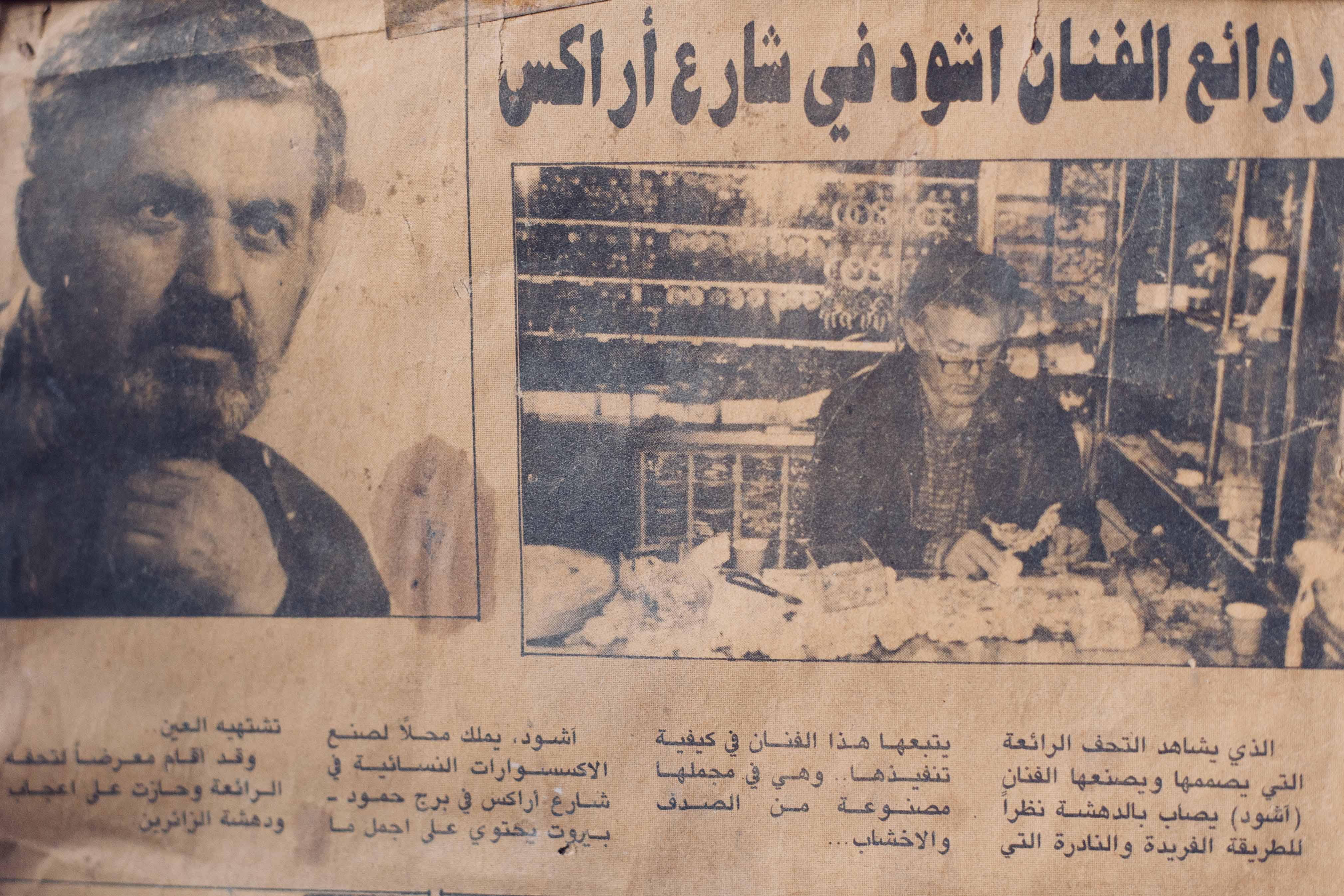
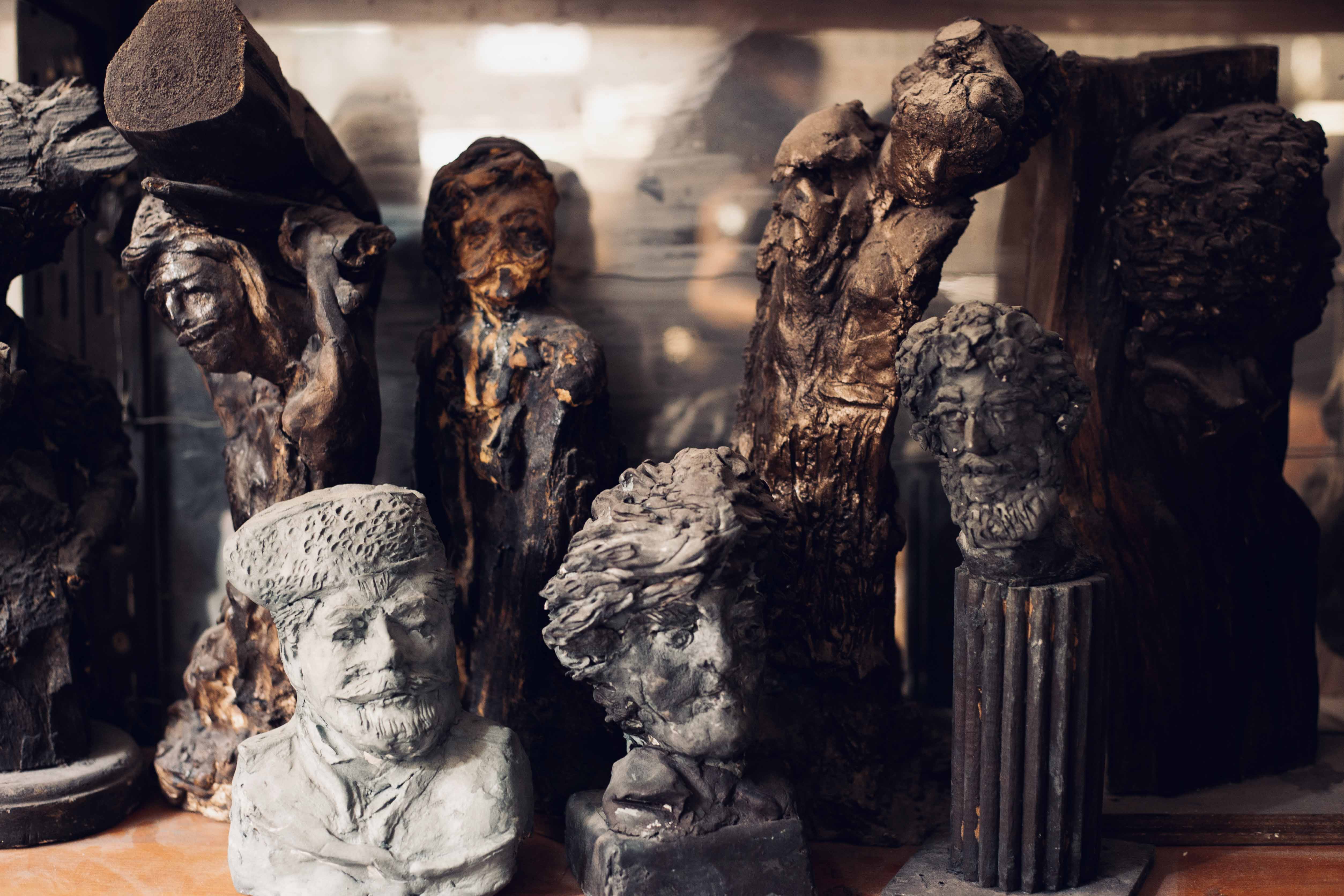
Inside this small shop, he creates portraits, statues, and memorials on commission, working with stone, wood, plaster, and bronze. Every piece that passes through his hands is given its time. For him, a work is not simply completed and left behind. A relationship forms between him and the material; every stone or piece of wood carries the potential for a new form not yet born. That is why he chooses his materials carefully and treats them with patience.
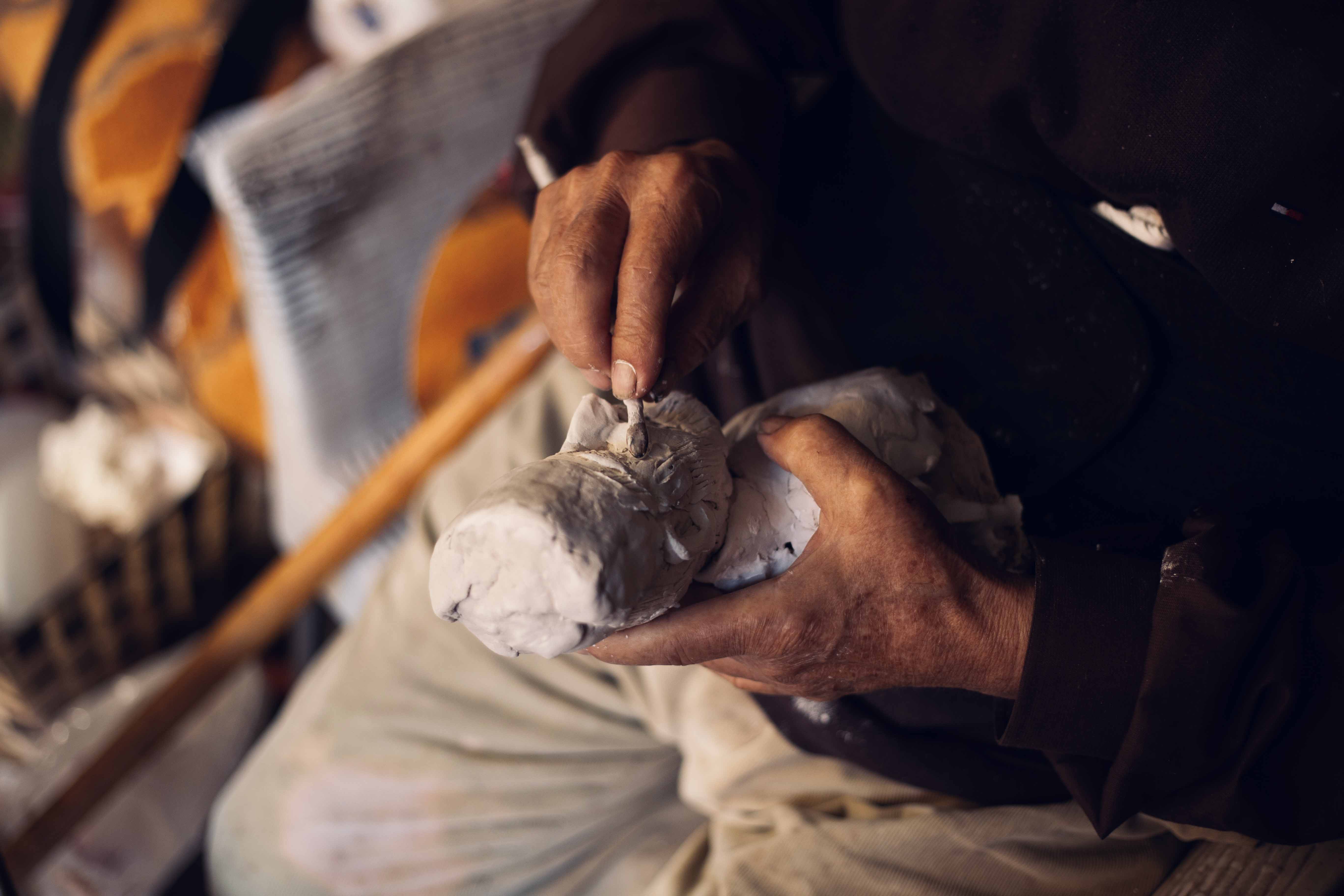
Among the works closest to his heart is a piece he made from a loofah he found on the shore. It was discarded, without value, but he carried it back to his workshop and allowed it to transform in his hands into the shape of an animal. This old piece means a great deal to him, as it reminds him that sculpture is not about the luxury of the material, but about its ability to transform into something new.

For Ashod Tazian, sculpture is not merely a profession, but an extension of family identity and collective memory, and a way of preserving the Armenian presence in Lebanon. Yet the path has not been easy. Today, he faces many challenges: diminishing interest in traditional crafts, declining demand for sculptural works, difficulty in sourcing materials, rising prices of bronze and stone, and a market increasingly oriented toward faster and cheaper production. He also notes the absence of a younger generation willing to learn this craft.
Despite all this, he continues to come to his workshop every day. As long as his hand touches the stone, this craft will remain alive.