“I thought I survived… but every day, I was losing another part of myself.”
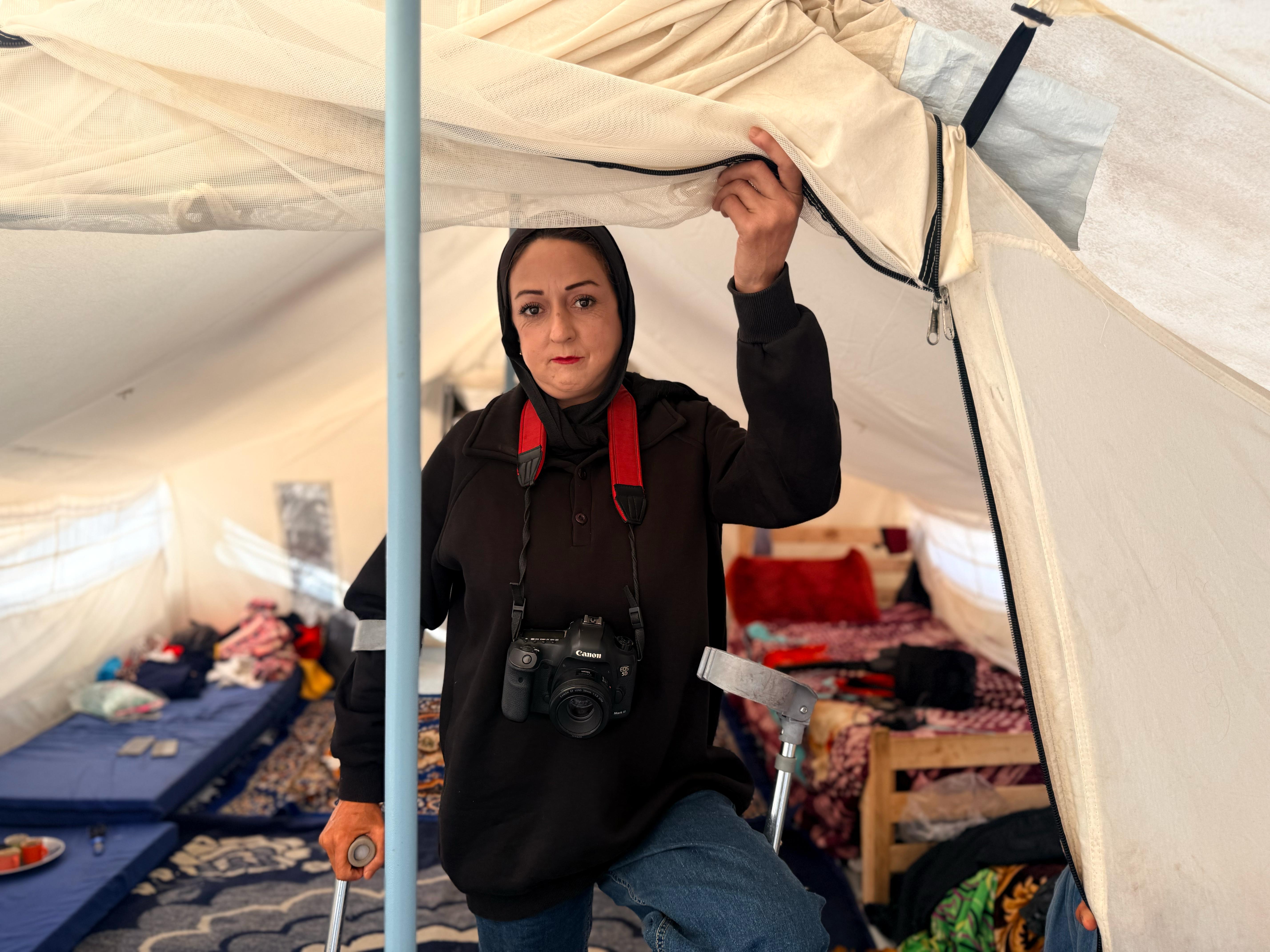
This is how Palestinian photographer Kefah Al-Fakhouri (35) begins her story—but it doesn’t start with the explosion. It starts years earlier, with a camera that had been part of her life for over 12 years. In the field, she felt closest to herself—following details, staying near people, believing that images are not just captured, but understood.
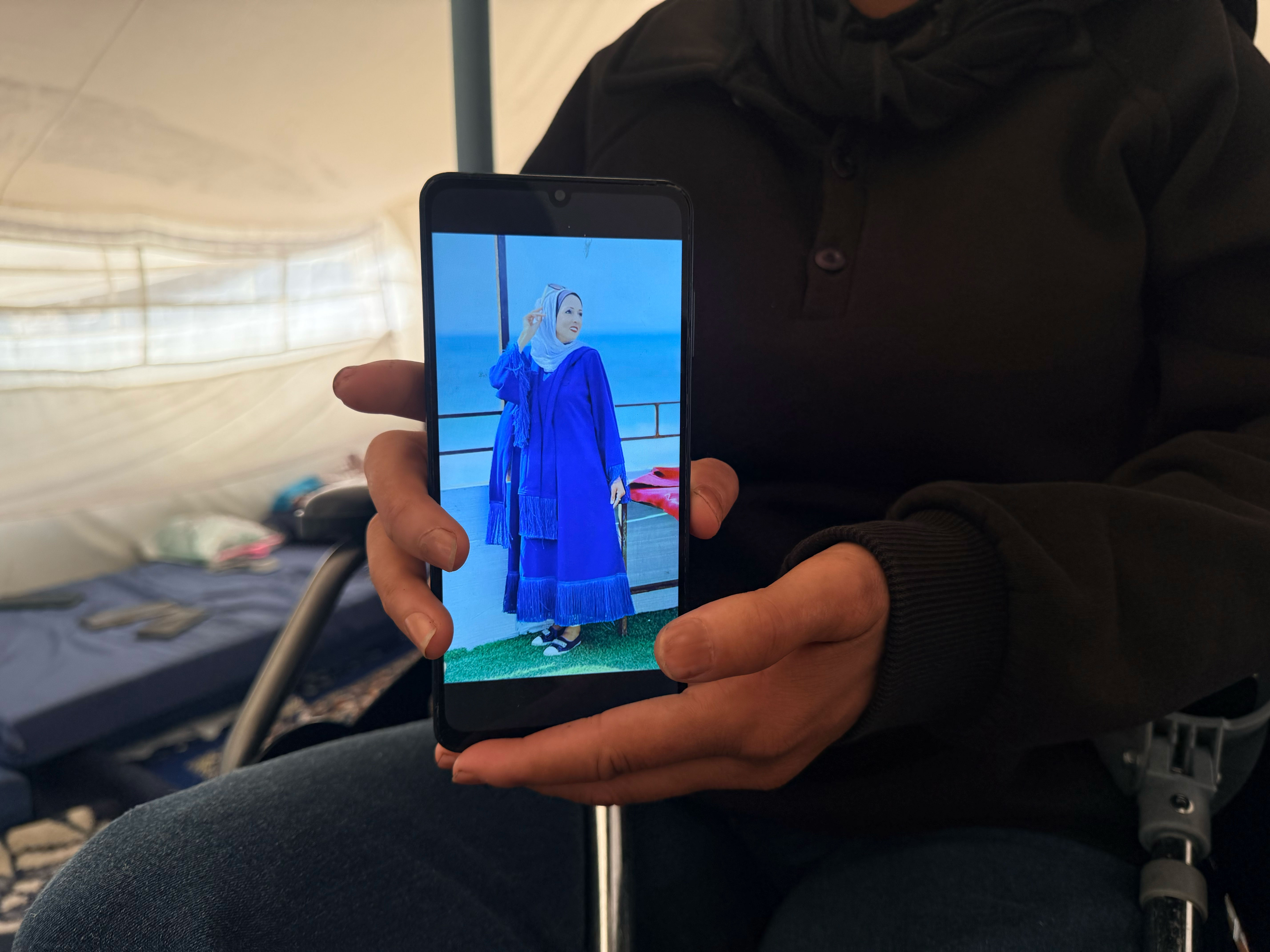
In June 2025, it was an ordinary day. After work, she sat with her colleagues at Al-Baqa café.
“They told me, come sit, let’s rest a bit… we hadn’t even been there 30 minutes.”
Then—the explosion.
“I was conscious… I kept shouting: I’m alive. There was blood everywhere.”
She tried to stand, reaching for someone in front of her:
“I held his hand to get up… but his hand came off in mine. It was almost severed… he was already gone.”
More than 20 people were killed in that moment. Kefah was the only survivor among her colleagues.
She arrived at the hospital having lost her foot—but the loss didn’t stop there.
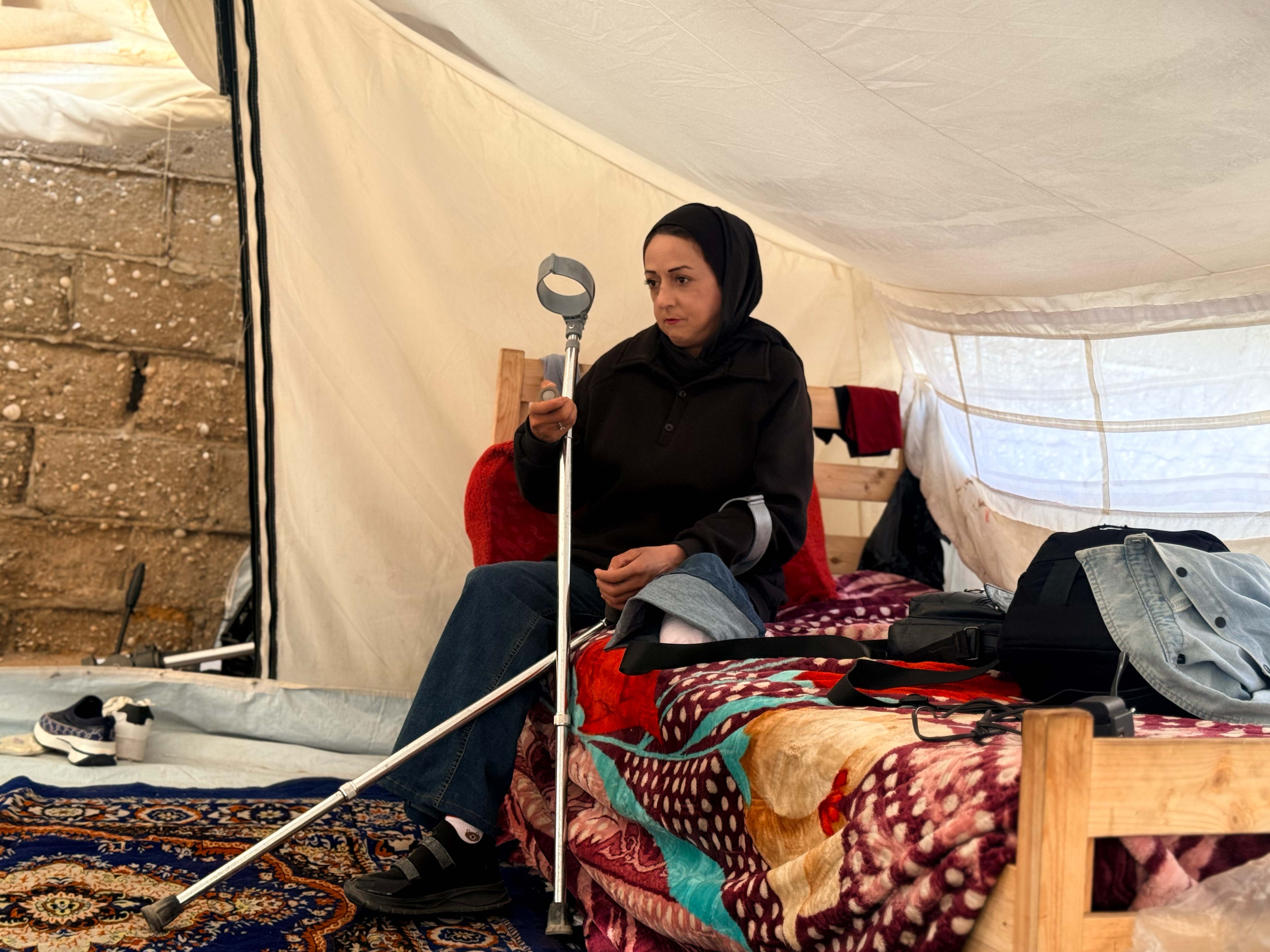
“Every time they told me, this is the last surgery… but because of the lack of treatment, they had to amputate more.”
Eighteen surgeries later, the amputation had reached above her thigh.
Beyond the operating room, other losses were unfolding. During the war, Kefah lost her father and her brothers, and suddenly became the sole provider for her elderly mother.
That’s when the camera returned—but not as before.
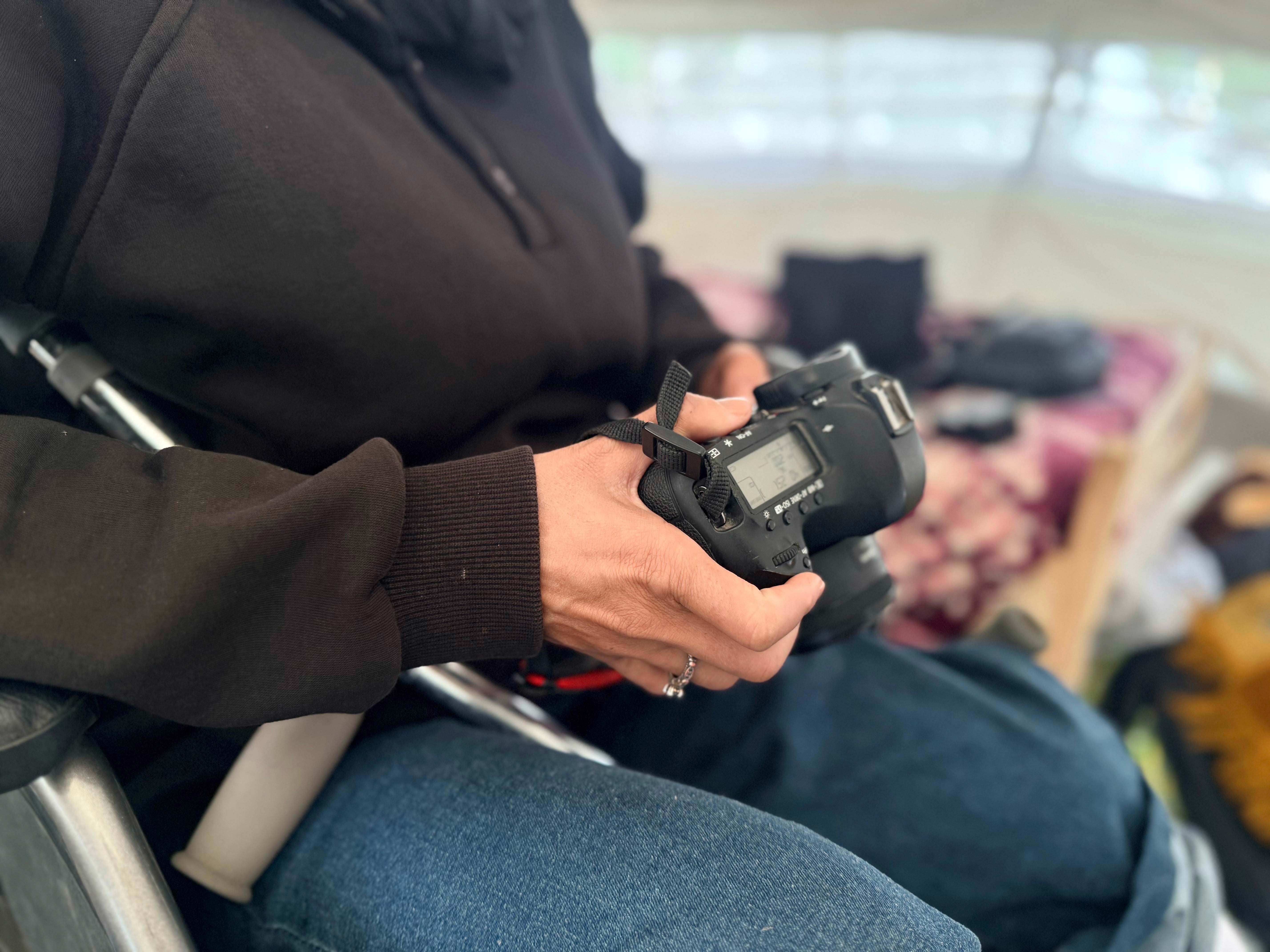
“I didn’t go back to photography because I’m strong… I went back to support myself, to take care of my mother, and so that despair doesn’t take over.”
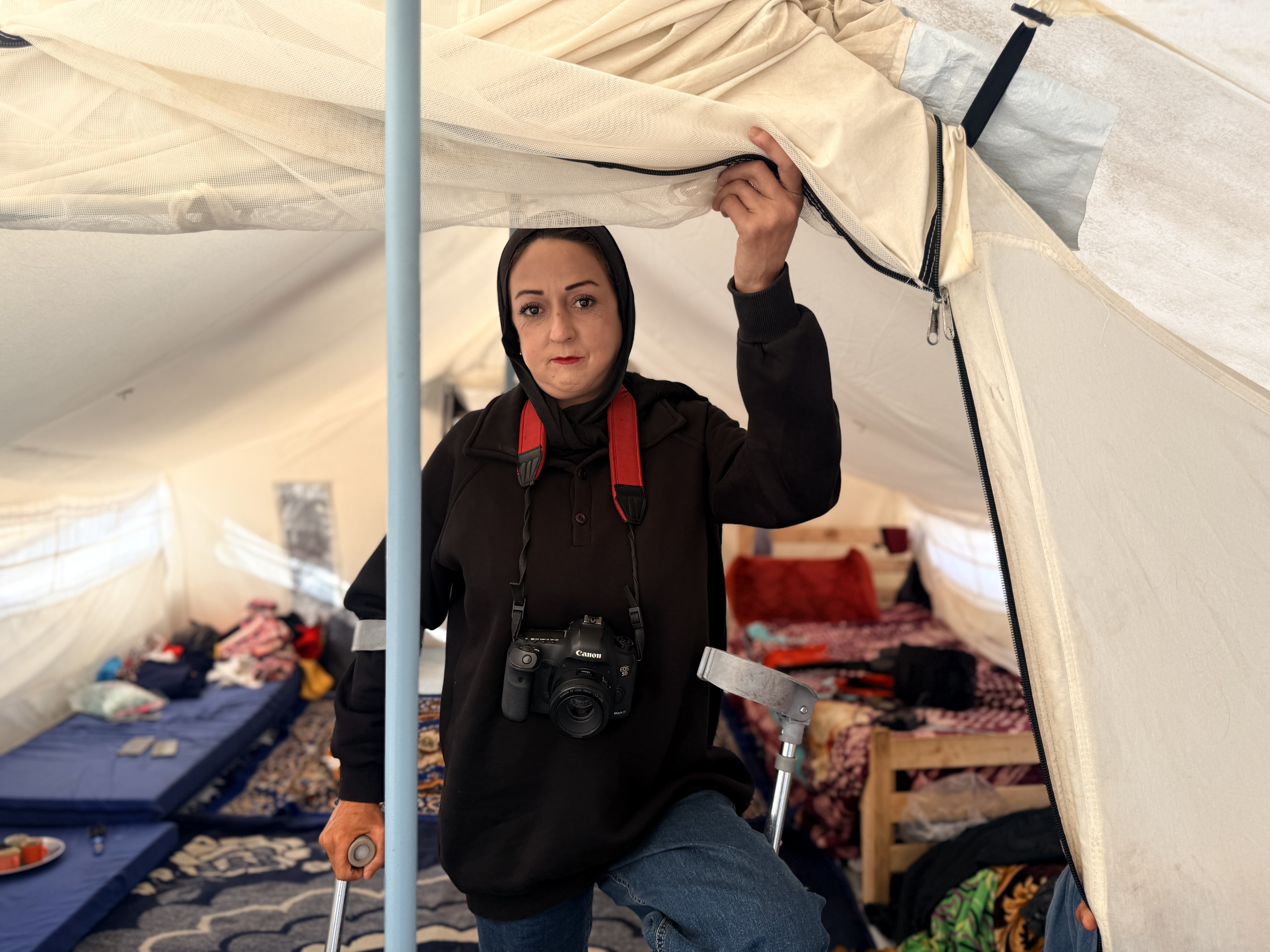
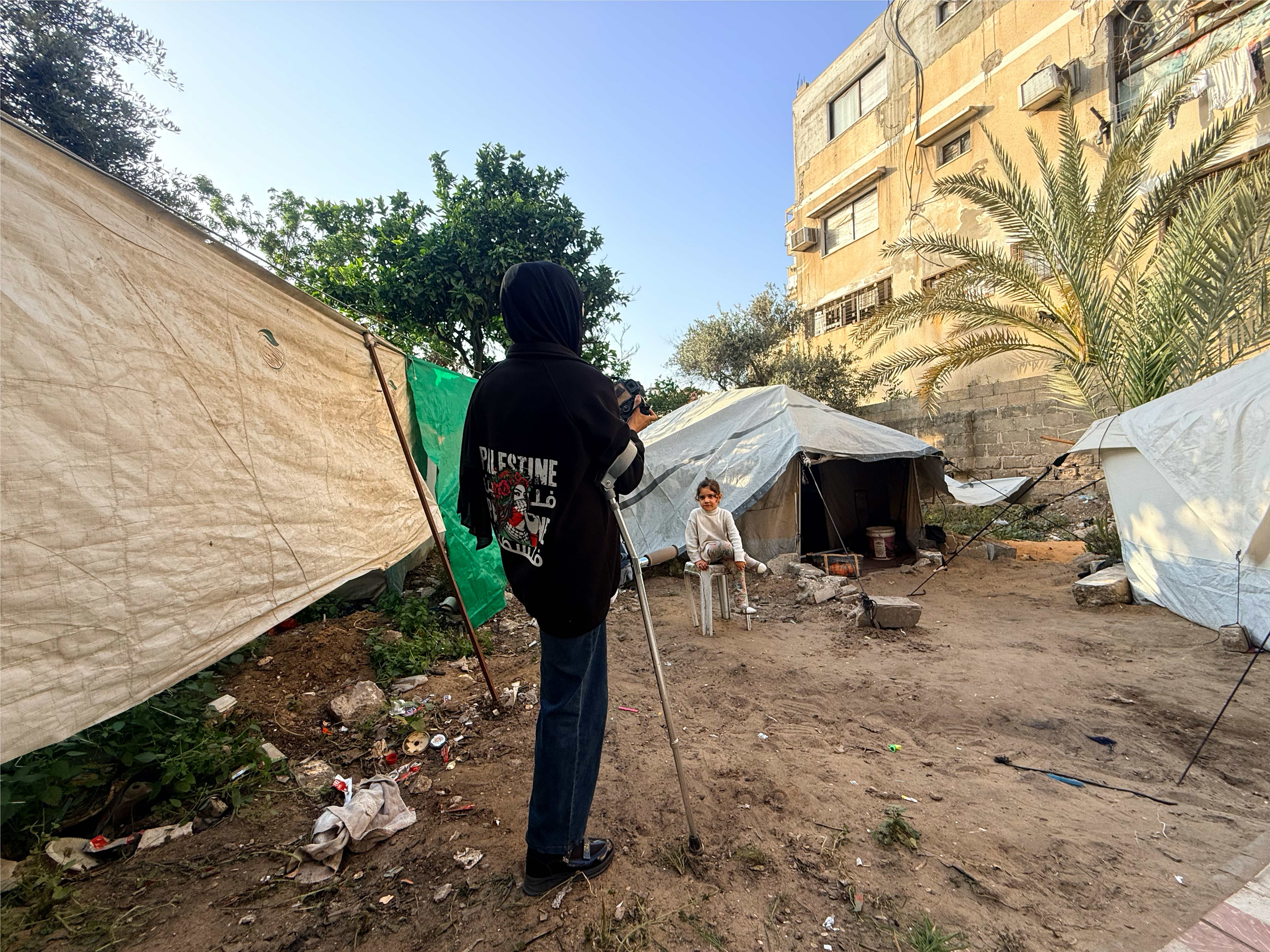
Today, she photographs children in the camp where she lives—capturing moments that exist between play and fear.
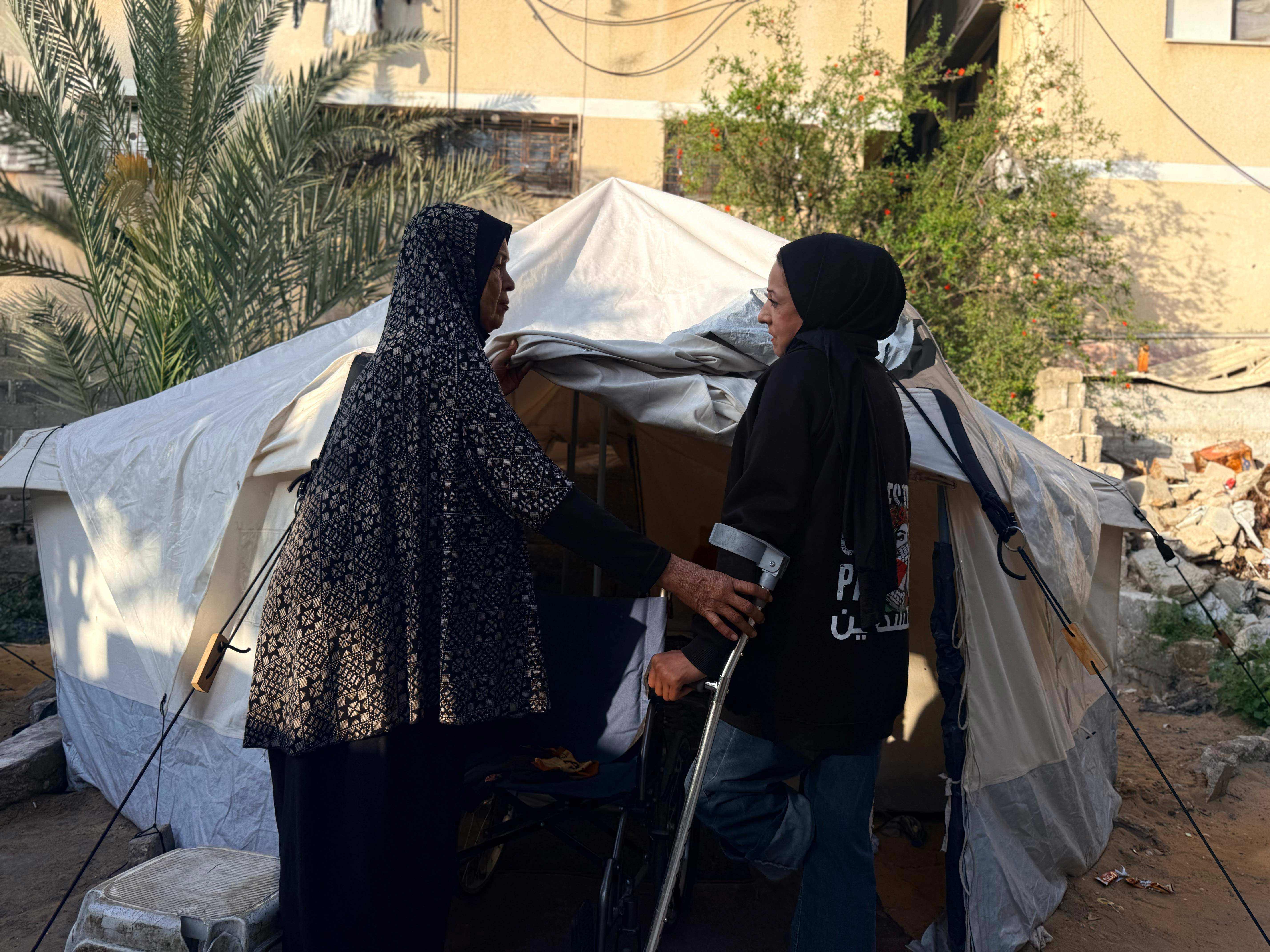
“The children here are my new story… I photograph them to show the world how they live, despite everything.”
Inside a fragile tent, the struggle continues in quieter ways.
“Rodents get inside… I can’t move, and my mother can’t do anything either.”
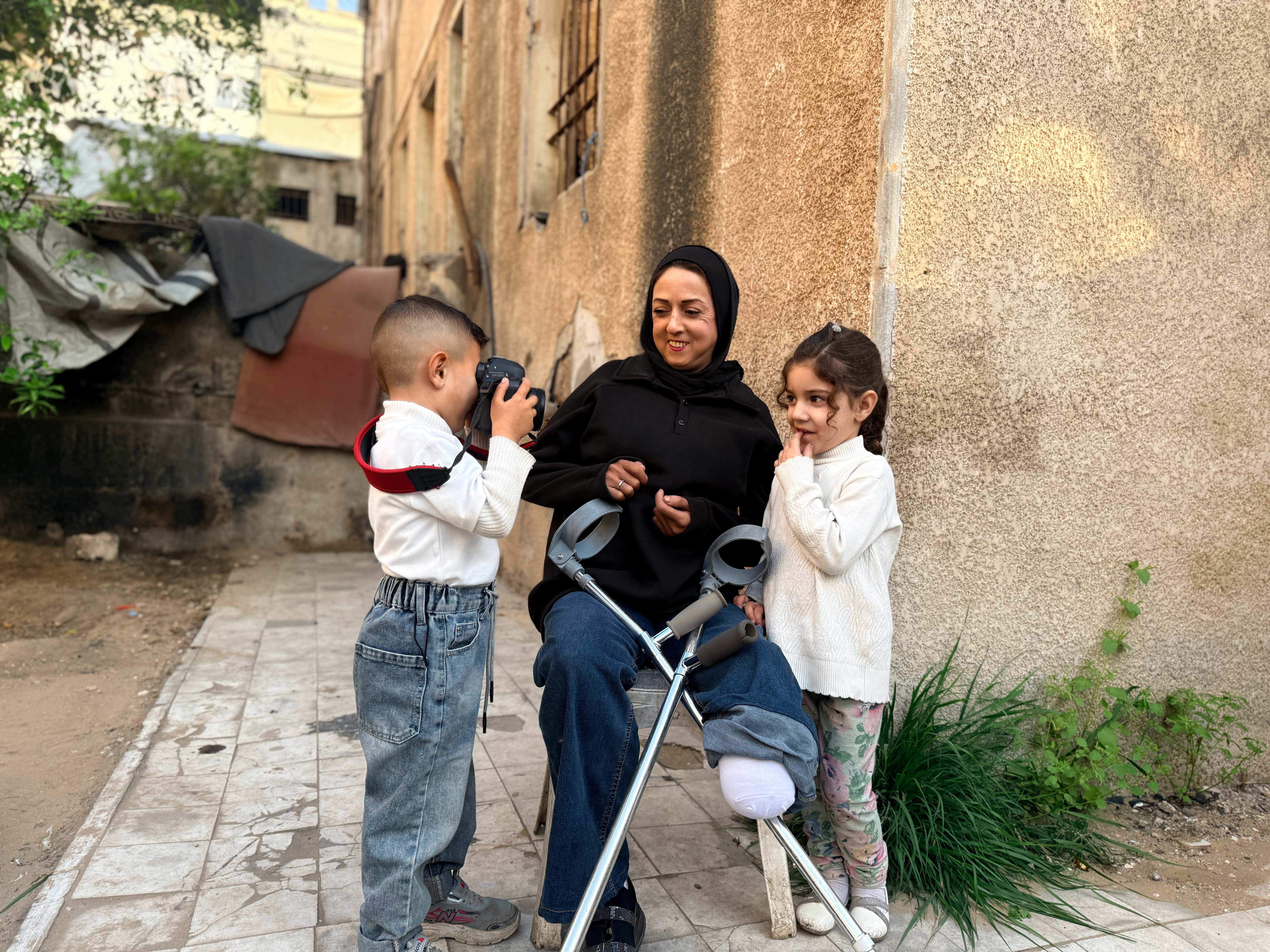
With every new surgery, her dream feels further away. The more the amputation extends, the more complicated—perhaps impossible—it becomes to fit a prosthetic limb.
“The more they amputate, the more I feel the dream slipping away… maybe I won’t be able to get one at all.”