That is perhaps how Israa Jaabis could summarize what happened to her.
In 2015, Israa never imagined that a single moment would divide her life into two parts; a life with a small child, a home, and ordinary daily details… and another life behind prison walls.
In prison, the story did not begin with the walls, but with pain.
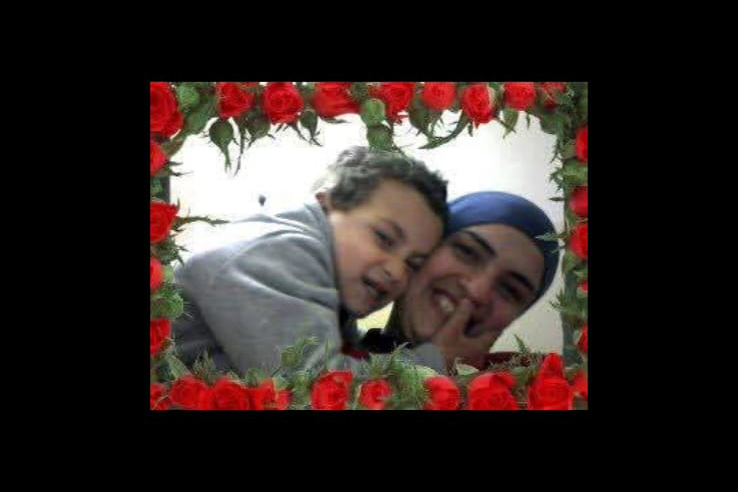
From the very first days, she faced constant medical neglect, not only toward her, but toward all the female prisoners.
“Drink water, take a painkiller.”
That sentence was repeated even in cases that needed real treatment.
She watched simple illnesses turn into chronic conditions simply because treatment never came on time. Sometimes, she returned from the clinic carrying doubt instead of care, as if she had to prove her pain over and over again.
Amid this reality, she searched for something to hold onto.
She found that in education.
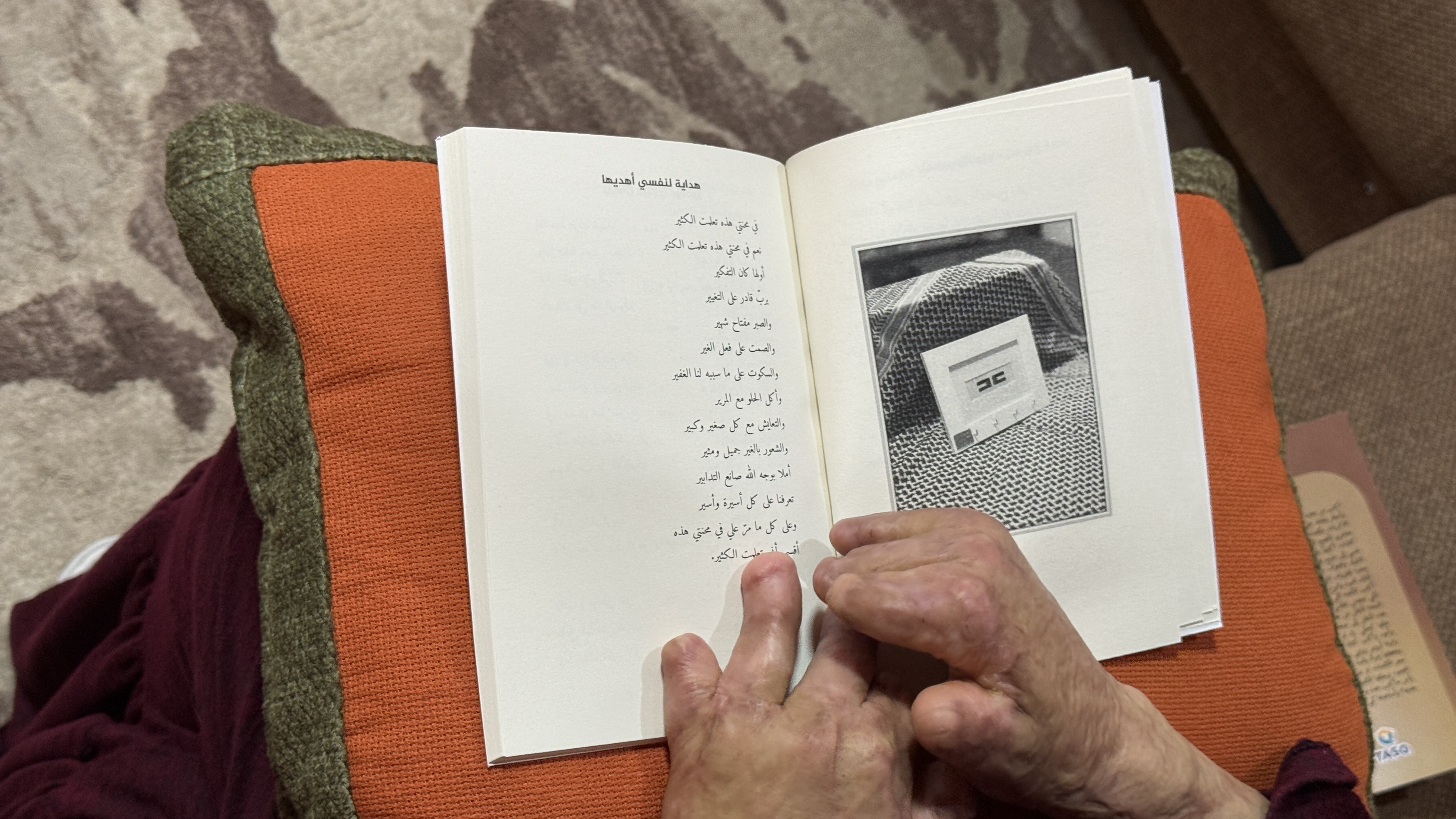
Inside prison, the prisoners created small spaces for life; reading, discussing, and teaching one another in a place designed to break meaning itself.
Israa studied and pursued university education. She chose to write about medical neglect, not as a theoretical subject, but as something she lived every day. Alongside that, she participated in simple activities with the prisoners; reading books, discussions, even theater and doll-making, especially with younger girls imprisoned at an early age.
She looked at the younger prisoners with a mother’s eyes.
She saw children before she saw prisoners, and often thought about their mothers waiting far away.
As for her son, he was present in every moment of absence.
She left him as a little boy, knowing he was growing up far from her, without her witnessing any of it. She tried to hold onto his voice and features in her memory, and missing him became one of the hardest parts of her experience.
The years passed.
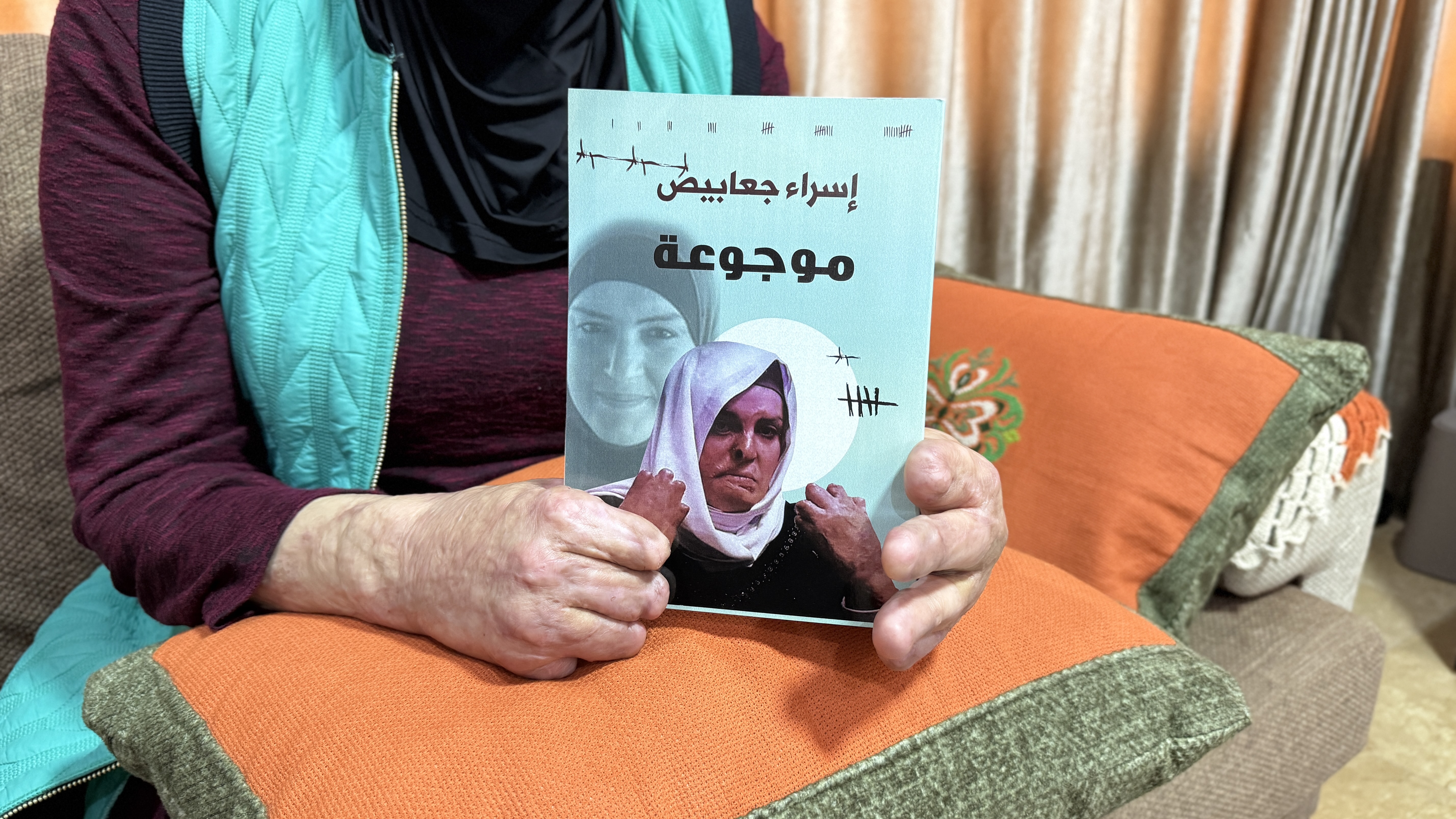
Her sentence was eleven years, with less than three remaining, before an unexpected moment arrived.
In 2023, Israa was released from prison.
But freedom was not a complete return.
She could not remain in Jerusalem because of fears of being arrested again, after indirect threats reached her through family members. She later traveled to Jordan for treatment, where she remains today.
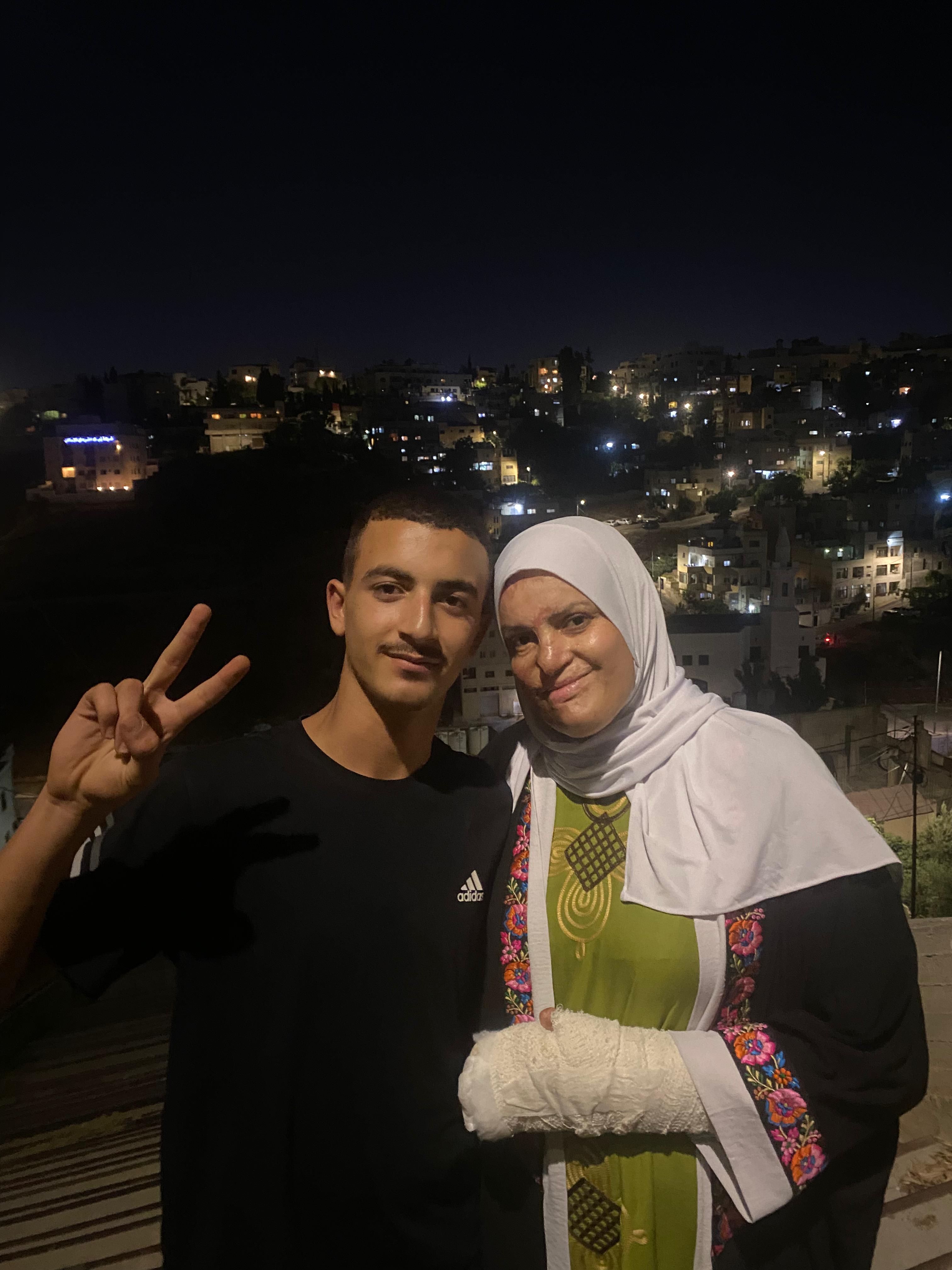
And when she finally saw her son again, he was no longer the little boy she had left behind.
He had become a young man.
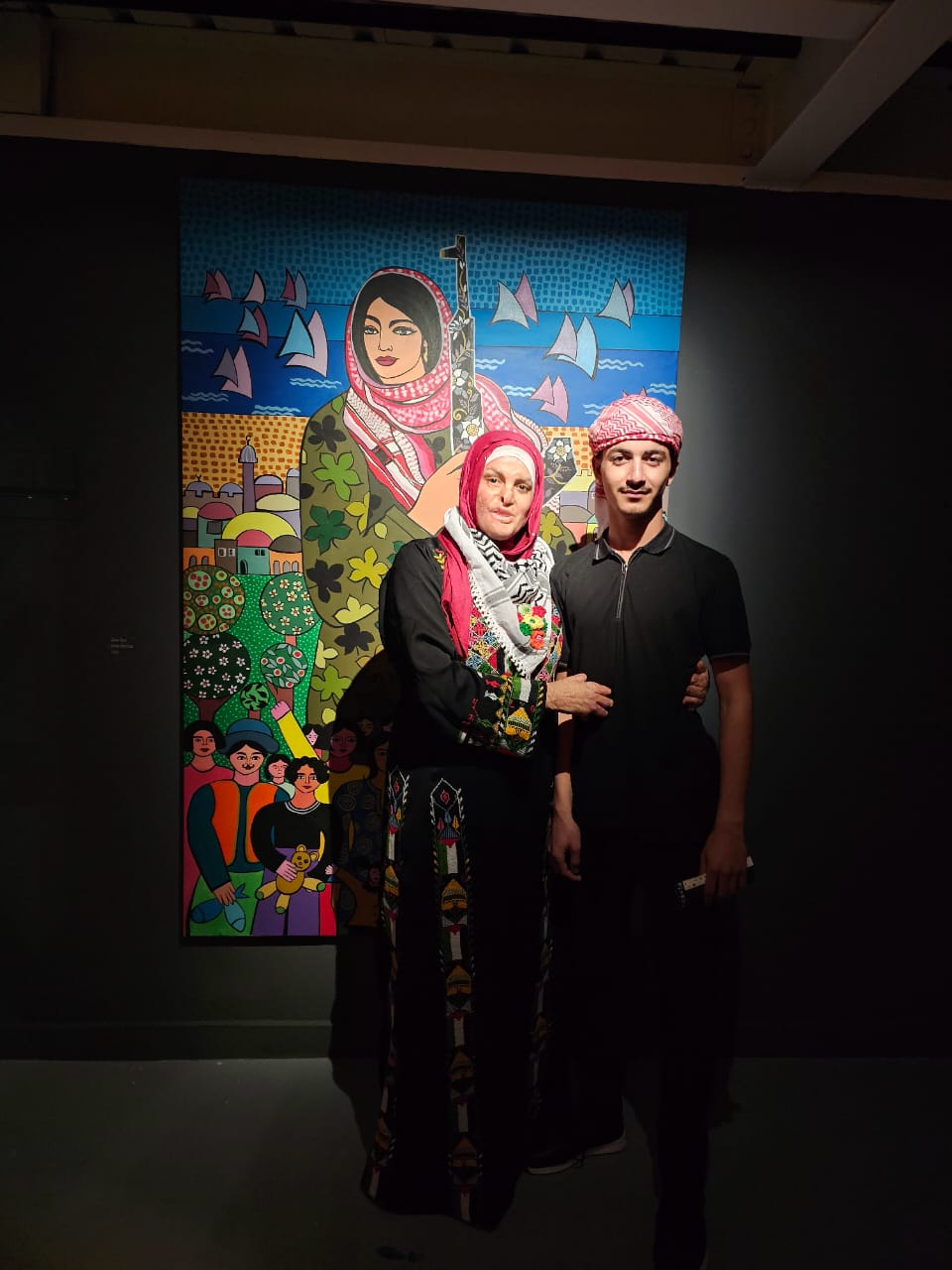
One moment carried years of absence within it, and the difficult attempt to rebuild a relationship that never disappeared from the heart, even as life continued without them together.
Even after her release, prison did not fully leave her.
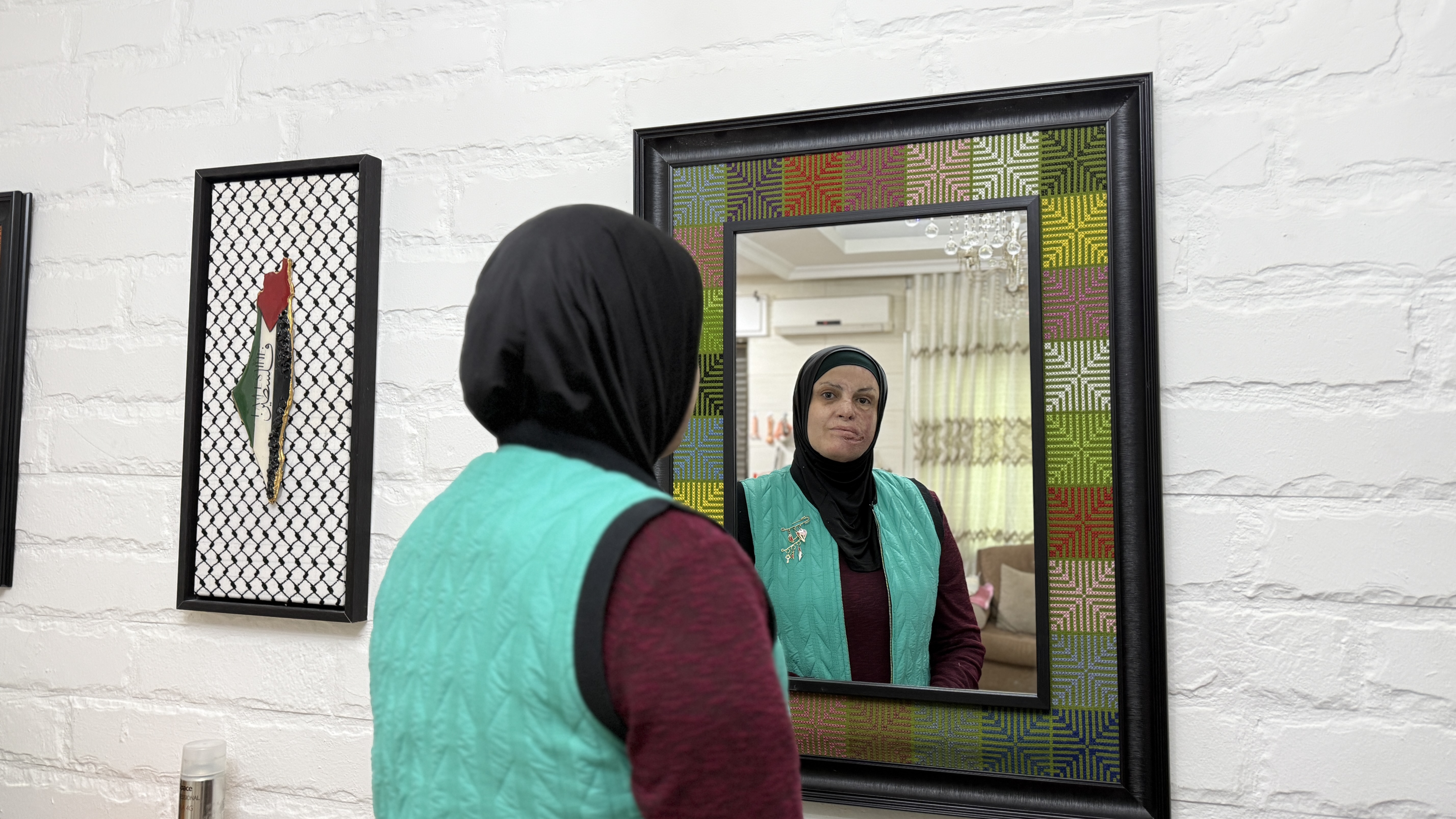
Her body still carries the consequences of medical neglect, and she has undergone more than twenty-seven surgeries. At one point, even breathing became difficult because of a mass in her nose that had not been treated in time.
But the deepest impact was psychological.
Every question about the experience felt like a return to those moments, while others moved on once the conversation ended, leaving her alone with everything the memories brought back.
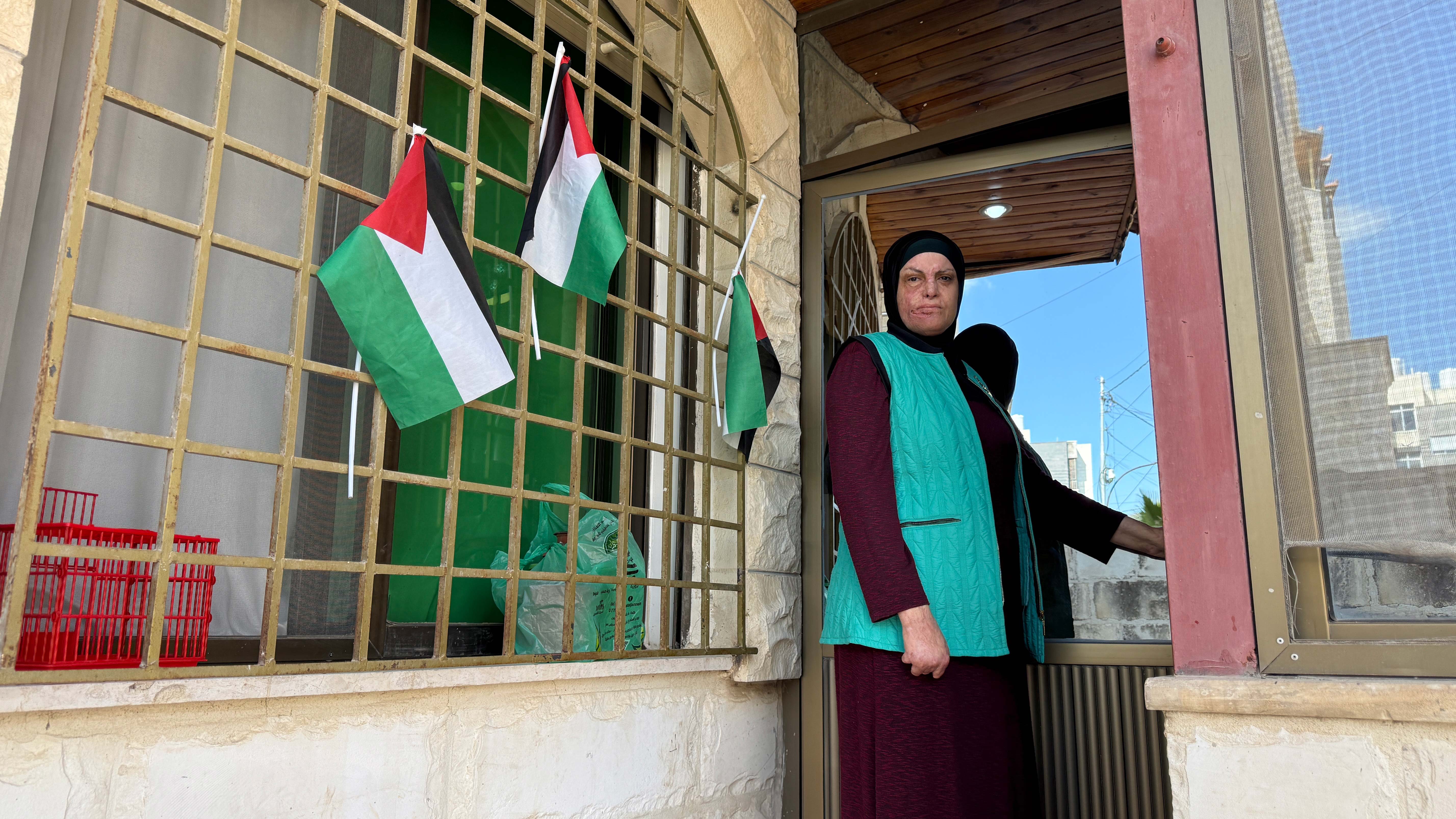
Today, she is trying to build a different balance in her life.
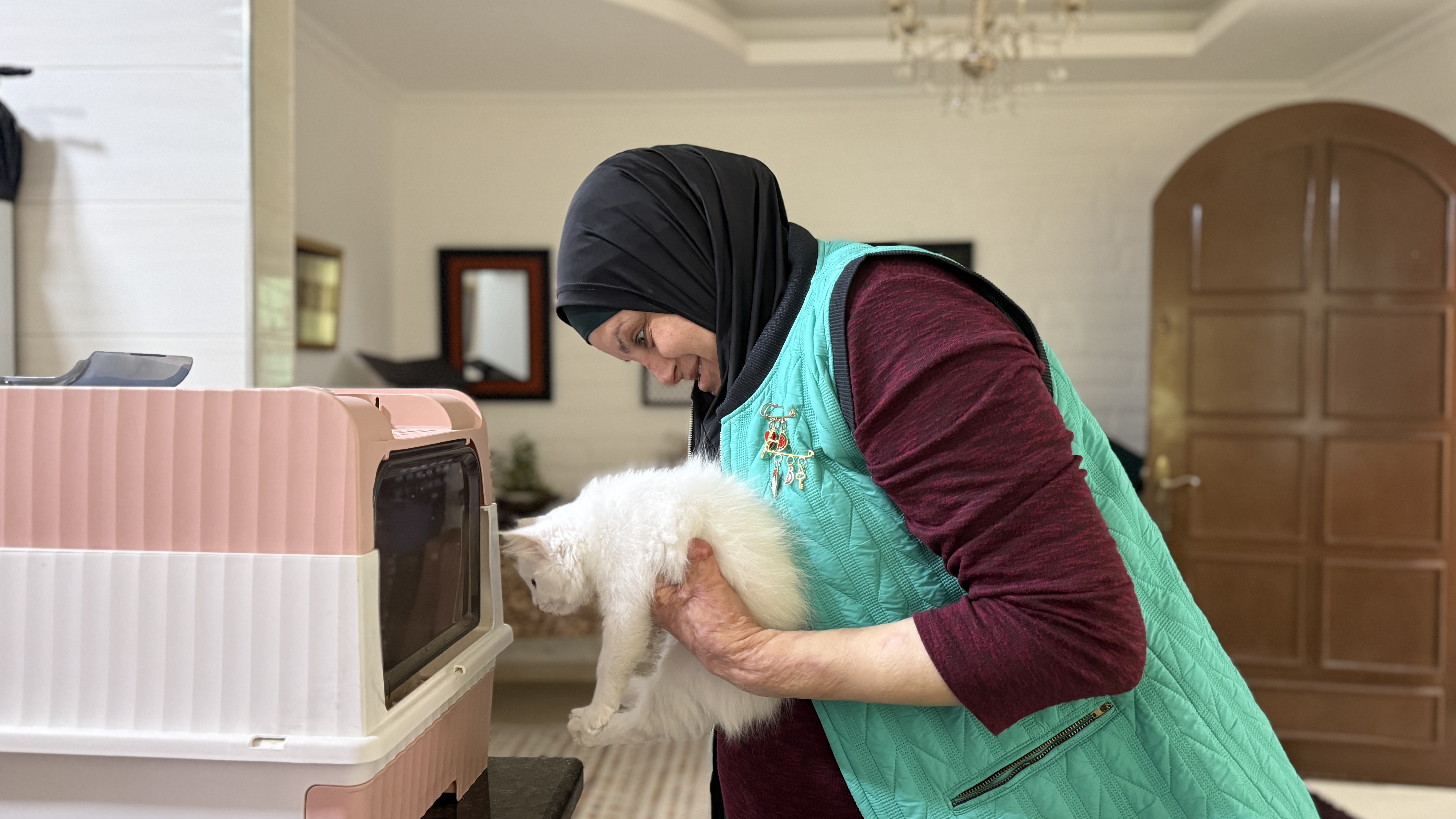
She found comfort in small things, including caring for stray cats that slowly became part of her daily routine. She says their presence gives her moments of calm.
Despite everything she has lived through, Israa is still trying to find her way back to herself, step by step.
Her story is not only about prison, but about what comes after it too… about trying to live after surviving something painful, and reclaiming what can still be reclaimed, even slowly.