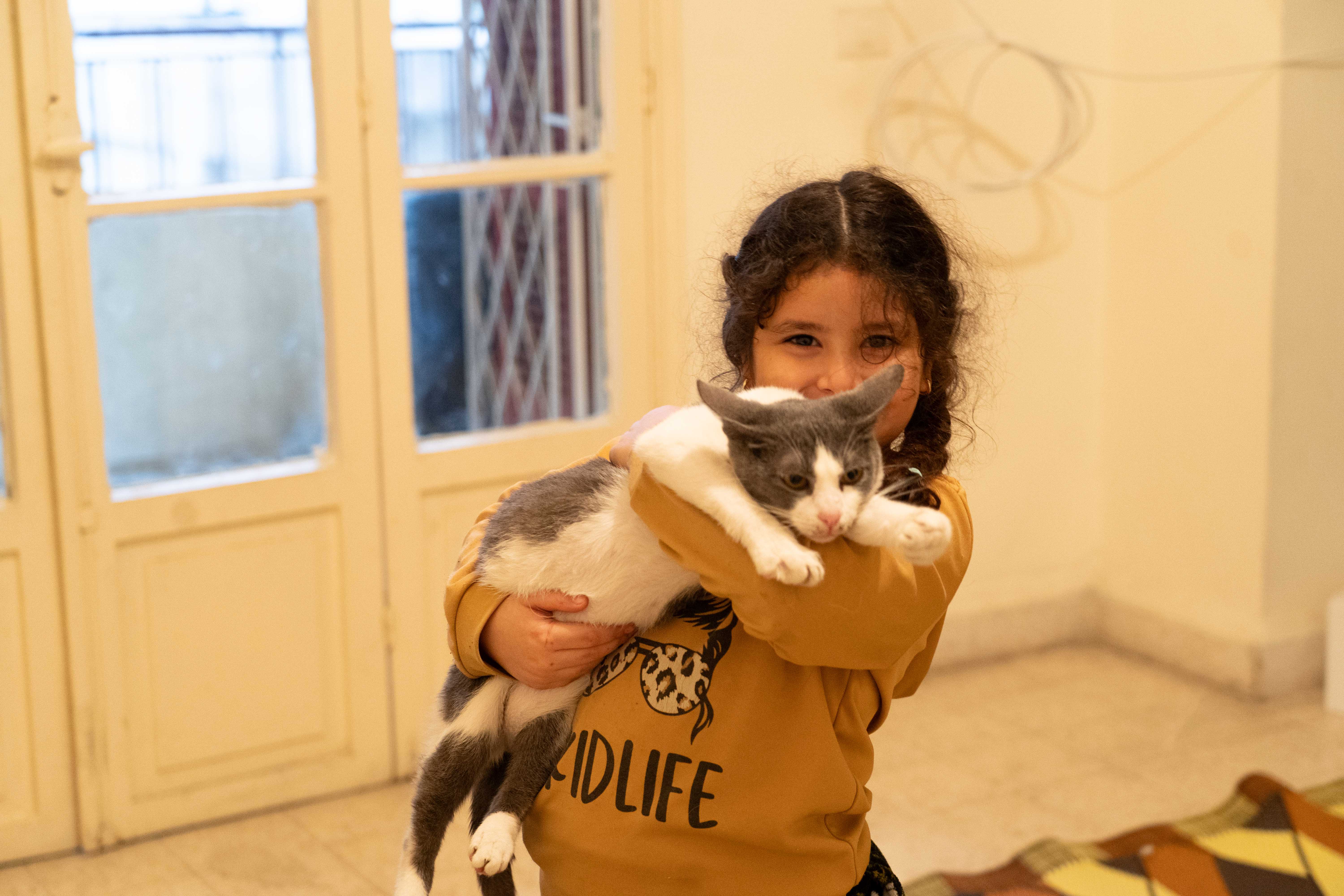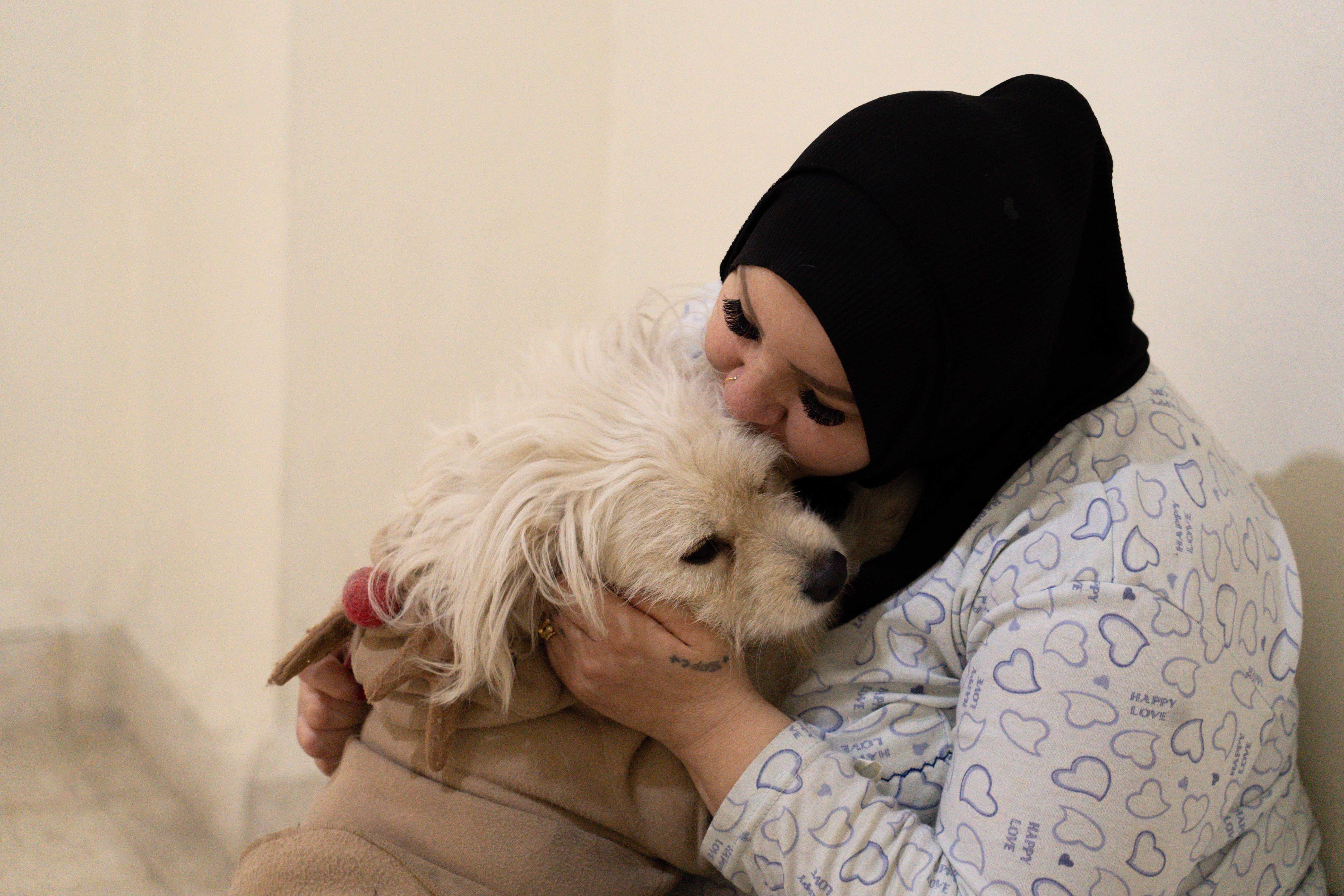
Once a hairdresser, Dareen left her job after the revolution and Lebanon’s economic collapse. She later opened a pet shop in Beirut’s southern suburbs, where she lived before being displaced. Over time, her shop became a refuge for animals—she fed and treated them at her own expense, driven by a lifelong love for animals.
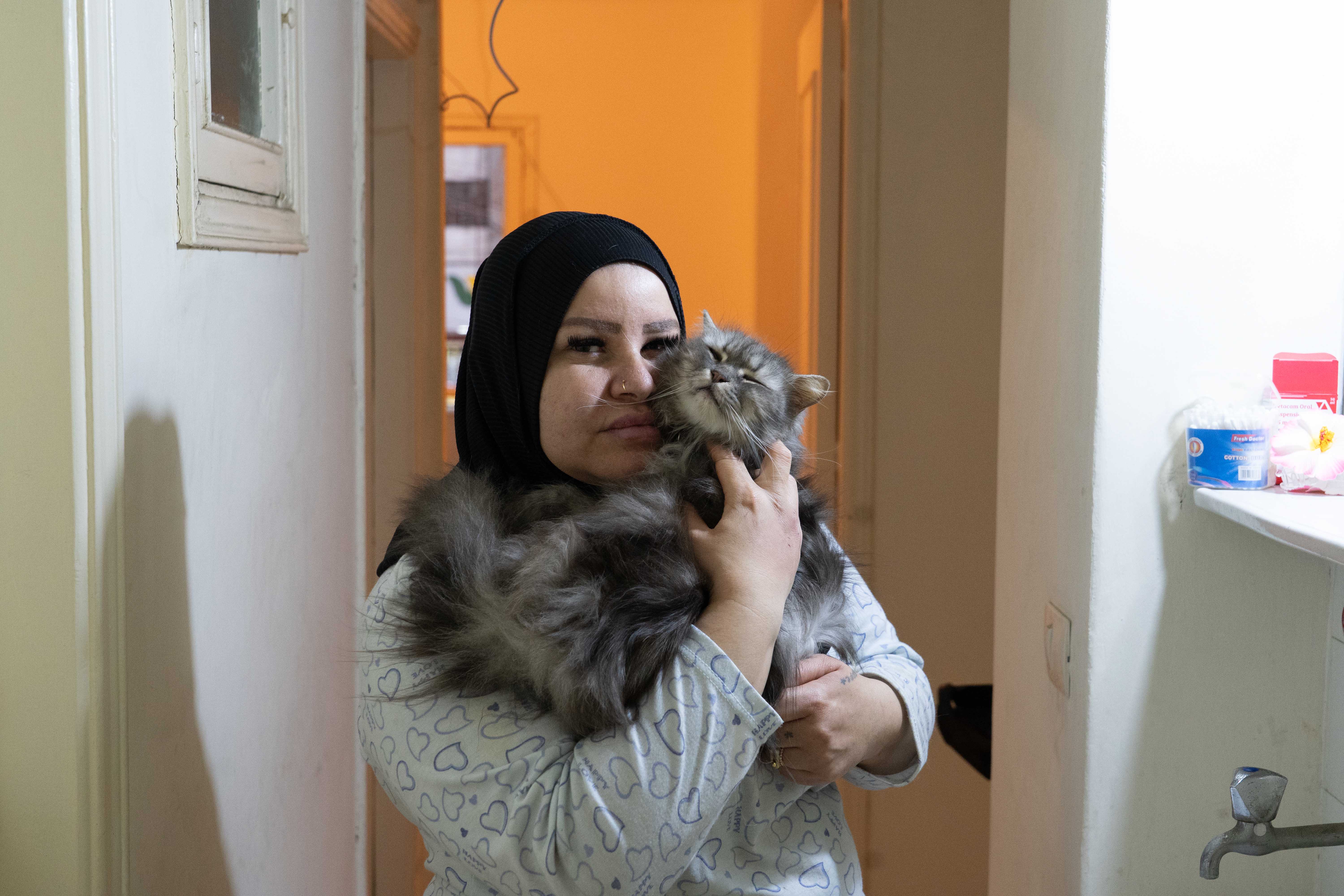
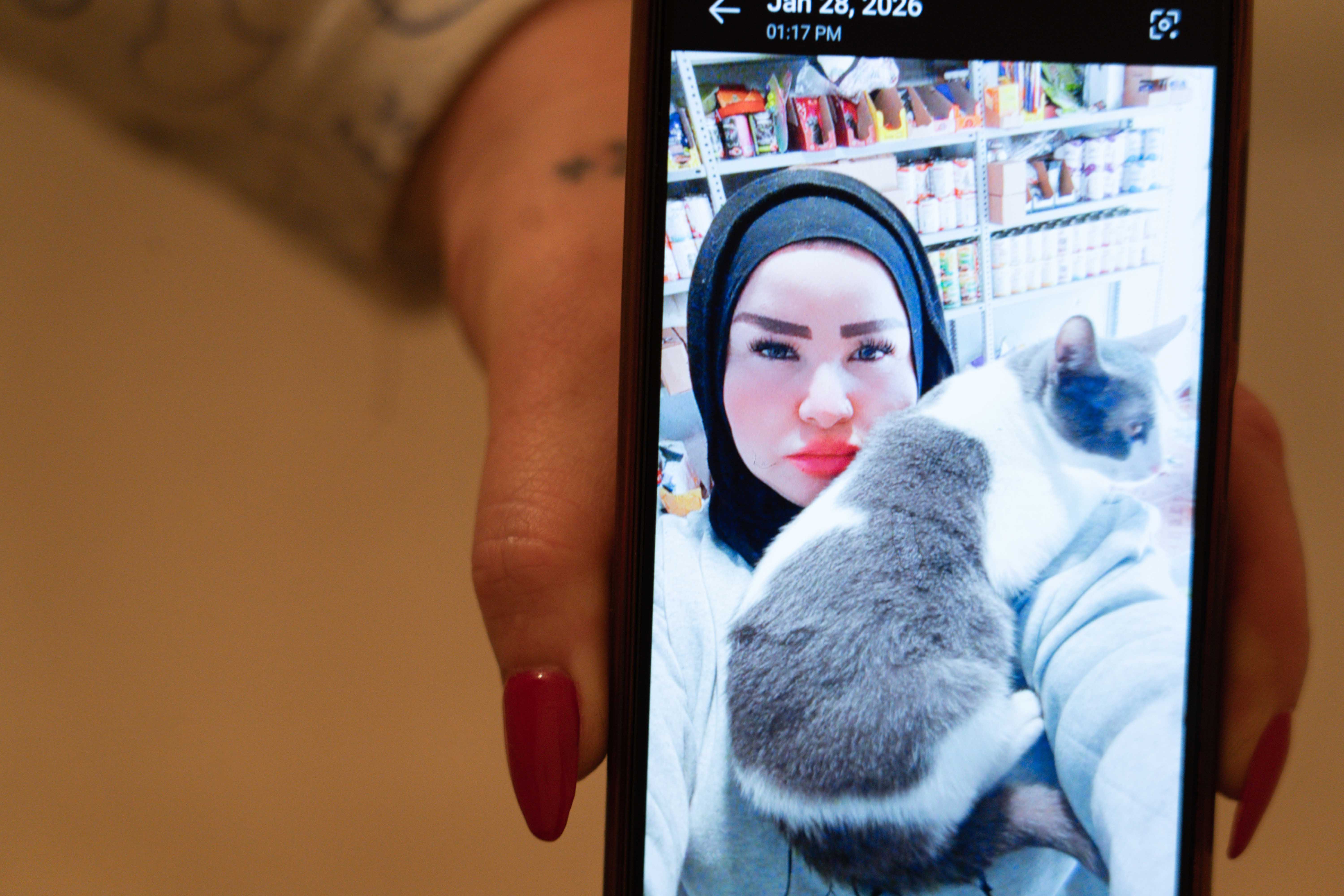
When war broke out on March 2, 2026, and the Israeli bombardment hit the area, she fled her home. The next day, despite the danger, she returned with a van driver to rescue the animals. “I couldn’t leave them to suffer like in the last war,” she says. “If we die, then our time is up—maybe it’s better it ends while we’re feeding these innocent souls.”
In the 2024 war, Dareen had to leave her animals with someone far away after moving into a shared house that couldn’t accommodate them. Separated from them, she lost four cats, unable to care for them as she once did.
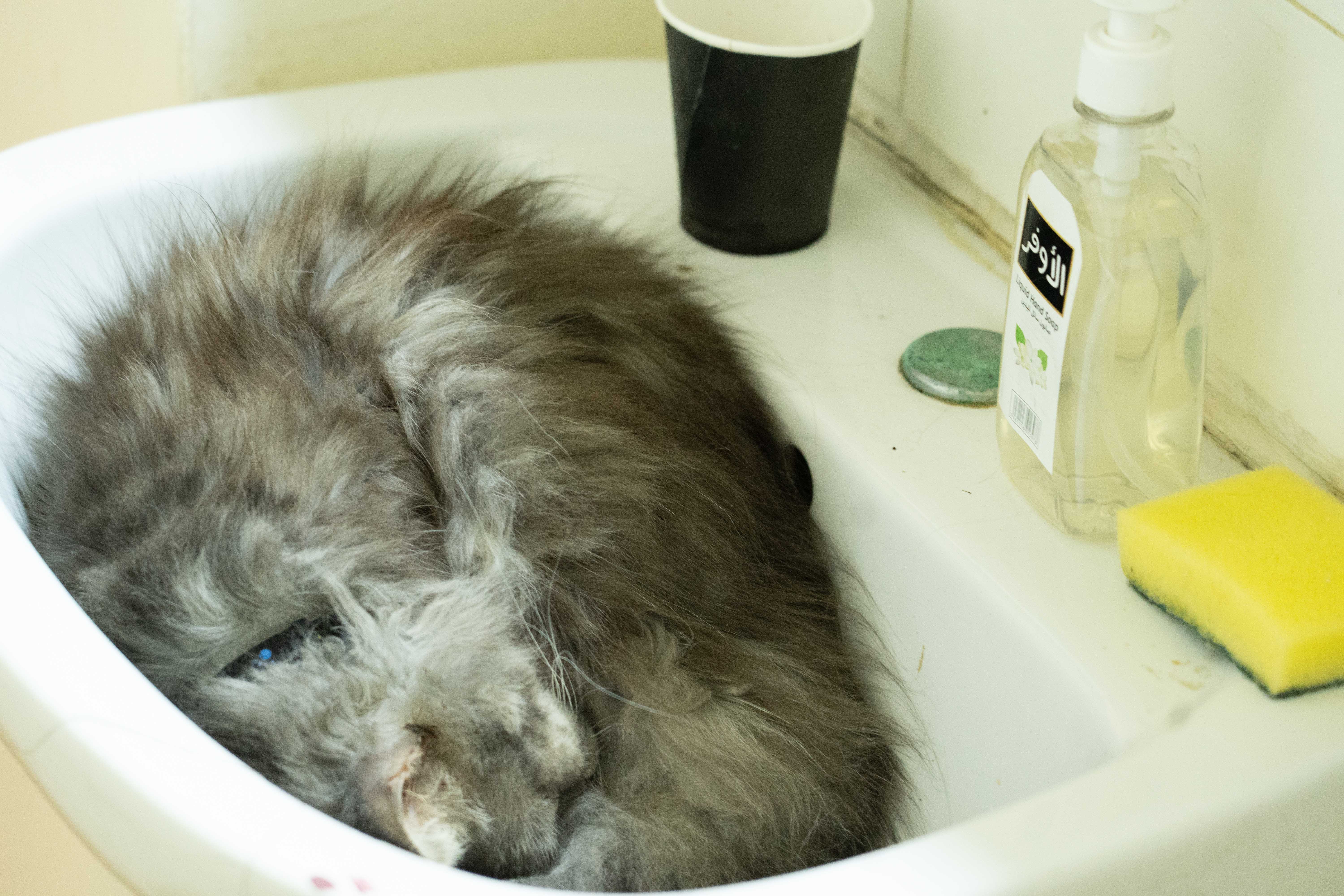
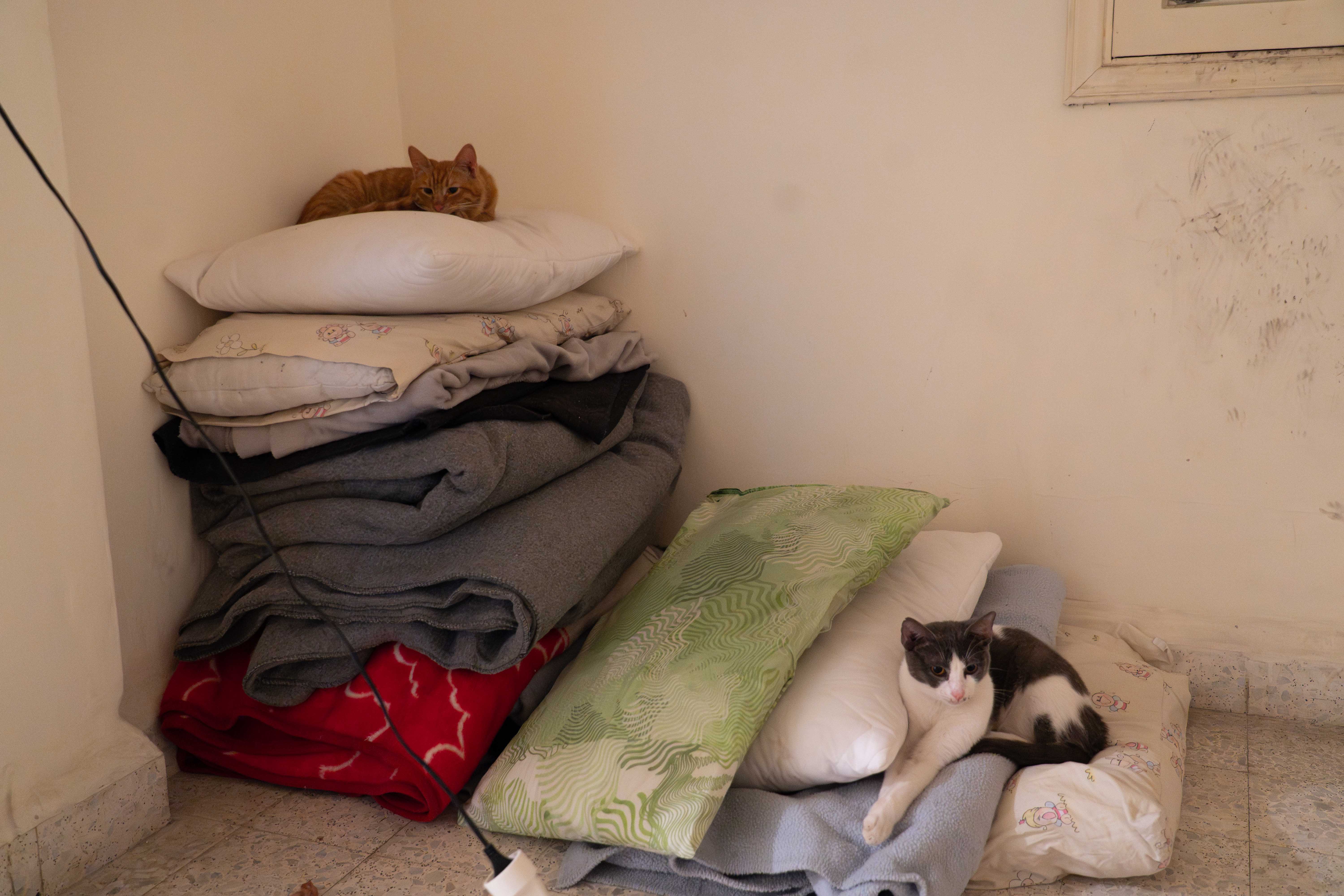
Her dog, Milo, whom she rescued after he was abandoned in that war, never leaves her side. Many of the animals she cares for have disabilities—some partially or fully blind, one paralyzed, another unable to walk due to a congenital condition.
She treats them like her children. “It causes arguments with my family—they get jealous of the cats,” she says with a smile. “My daughter tells me I love them more than her.”
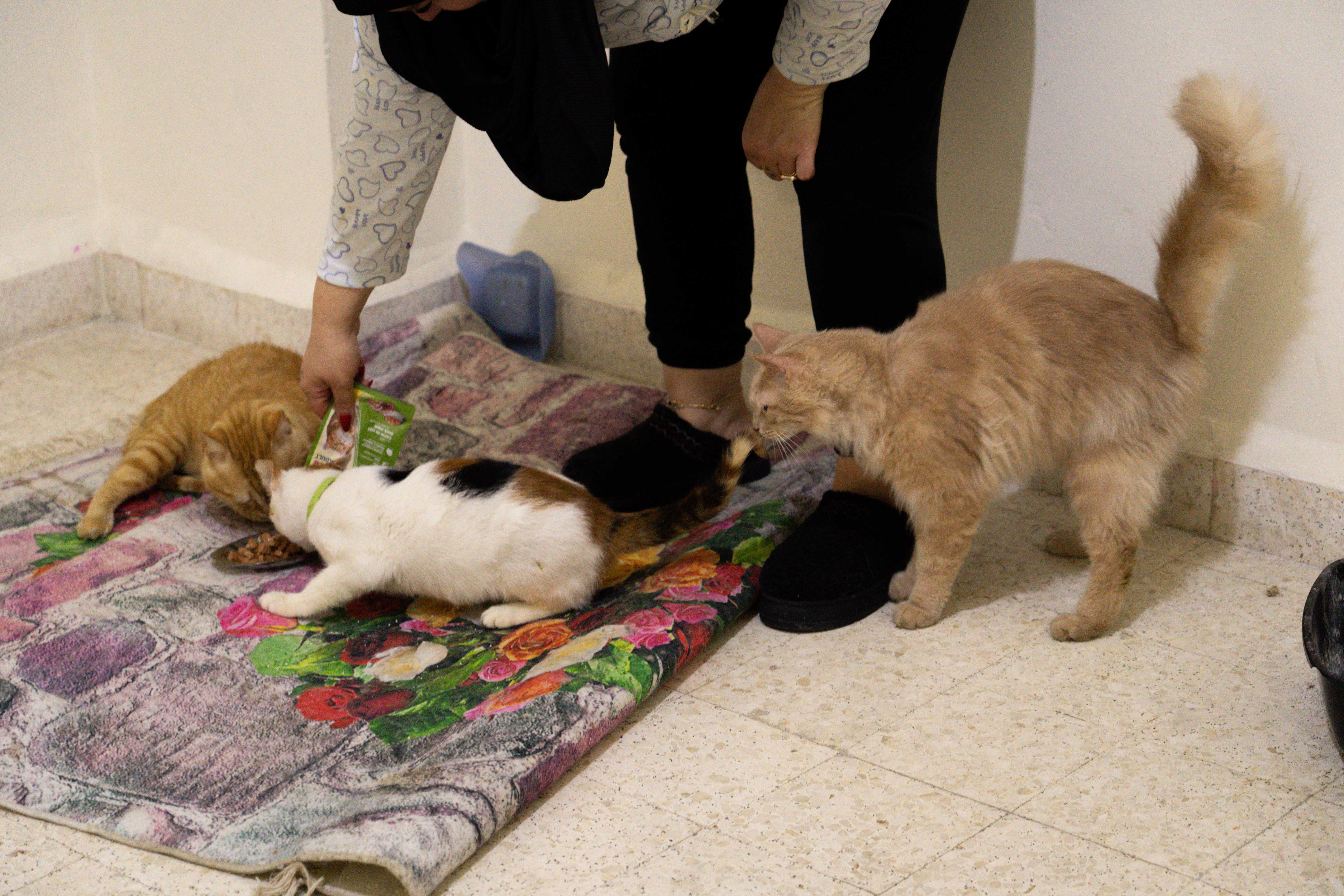
What hurts her most is seeing a sick animal she cannot afford to treat. “Animals are fragile—they can’t speak for their needs,” she says. “War is as cruel to them as it is to me. That’s why I still go back every day to feed the neighborhood cats under bombardment.”
Though the responsibility exhausts her, they are her source of joy, giving her strength and hope. “When I cry, they come to comfort me—they wipe my tears. To me, that is everything.”