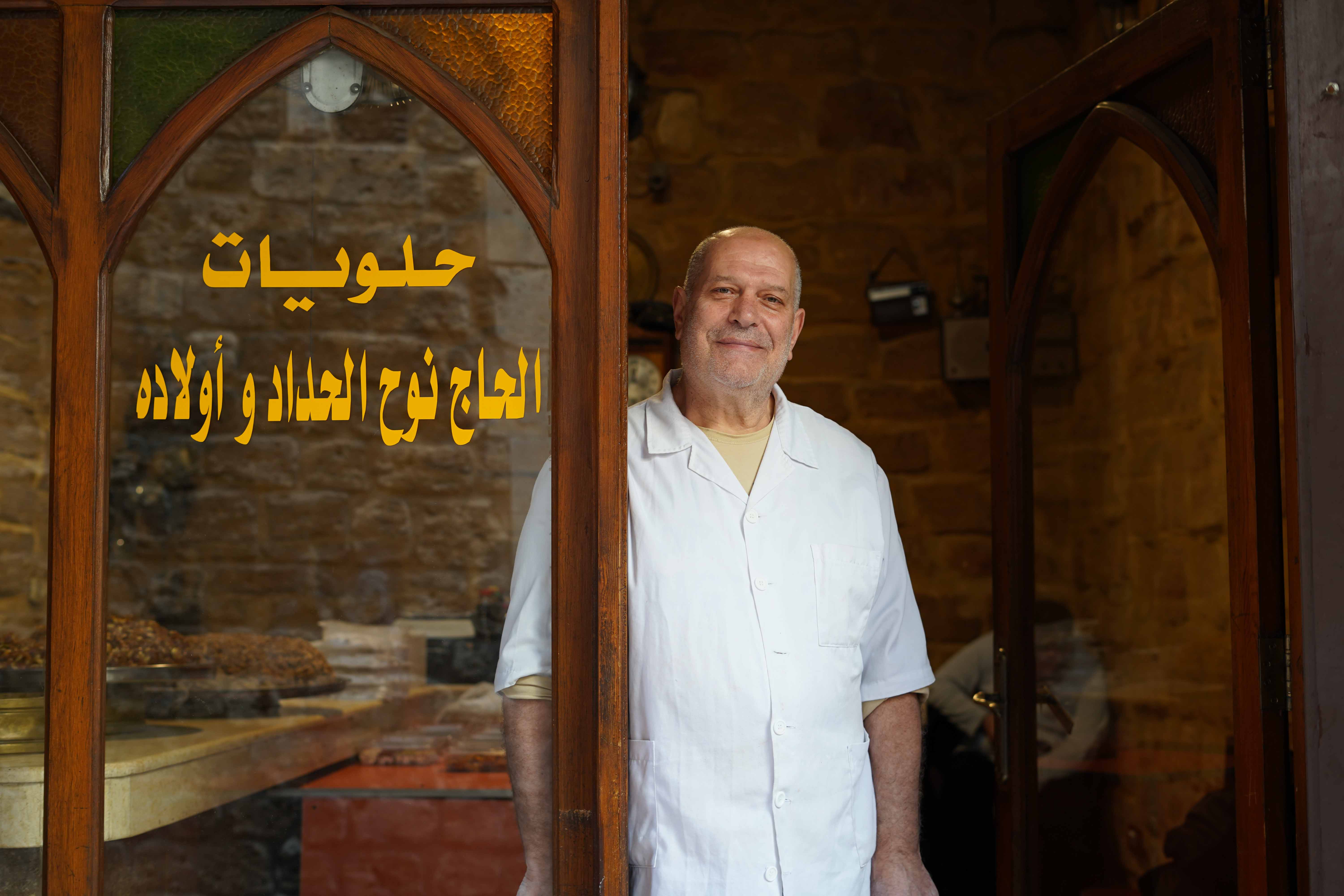
“I was six years old when I used to run away from school to go to the factory and stir the halawa. My grandfather would place a wooden box for me to stand on so I could reach the pot.”
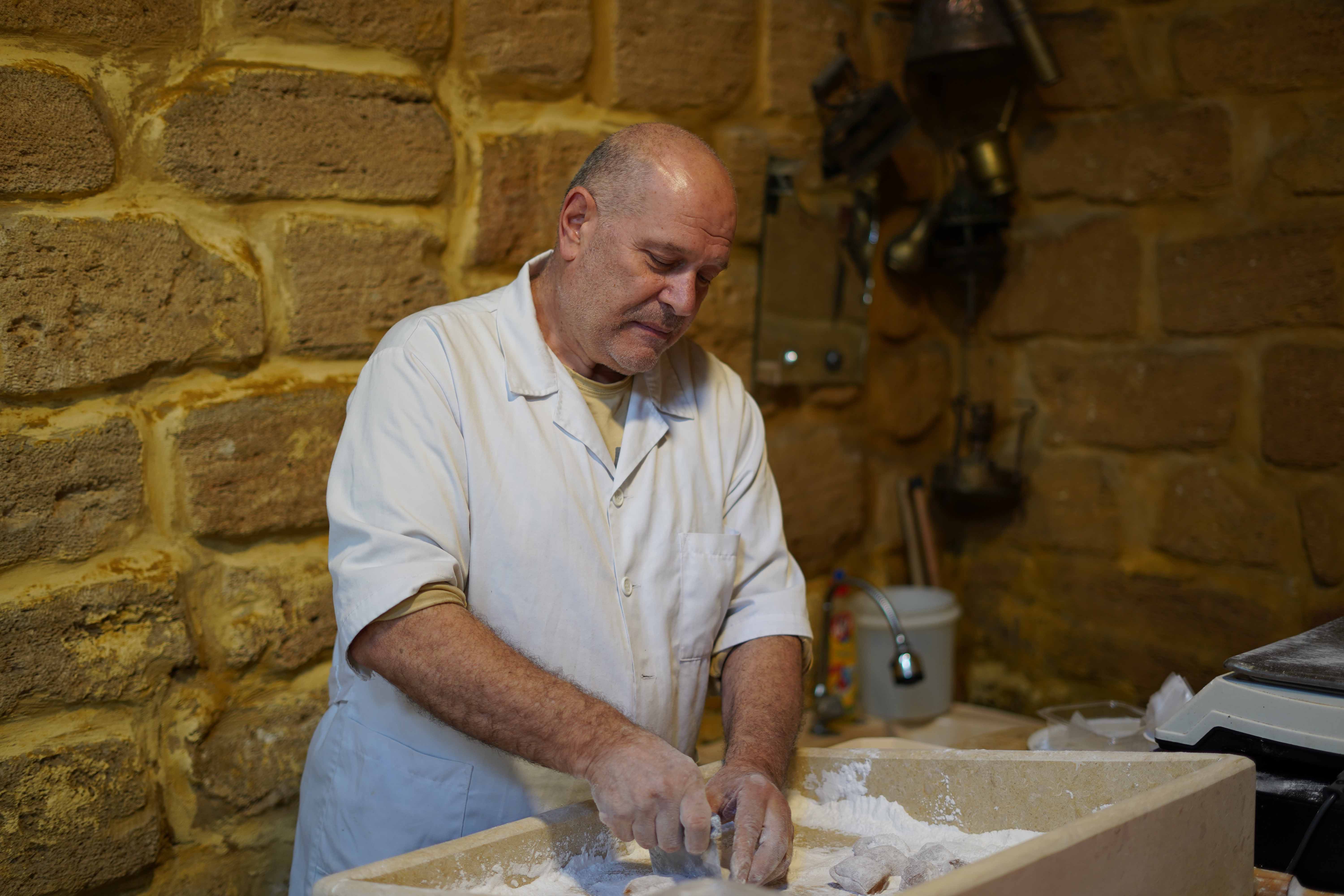
With these words, Mohammad Al-Haddad recalls the earliest moments of his connection with Halawet Al-Shmeiseh. Today, more than forty years later, he stands in front of the same pot— with steadier hands and a stronger stance.
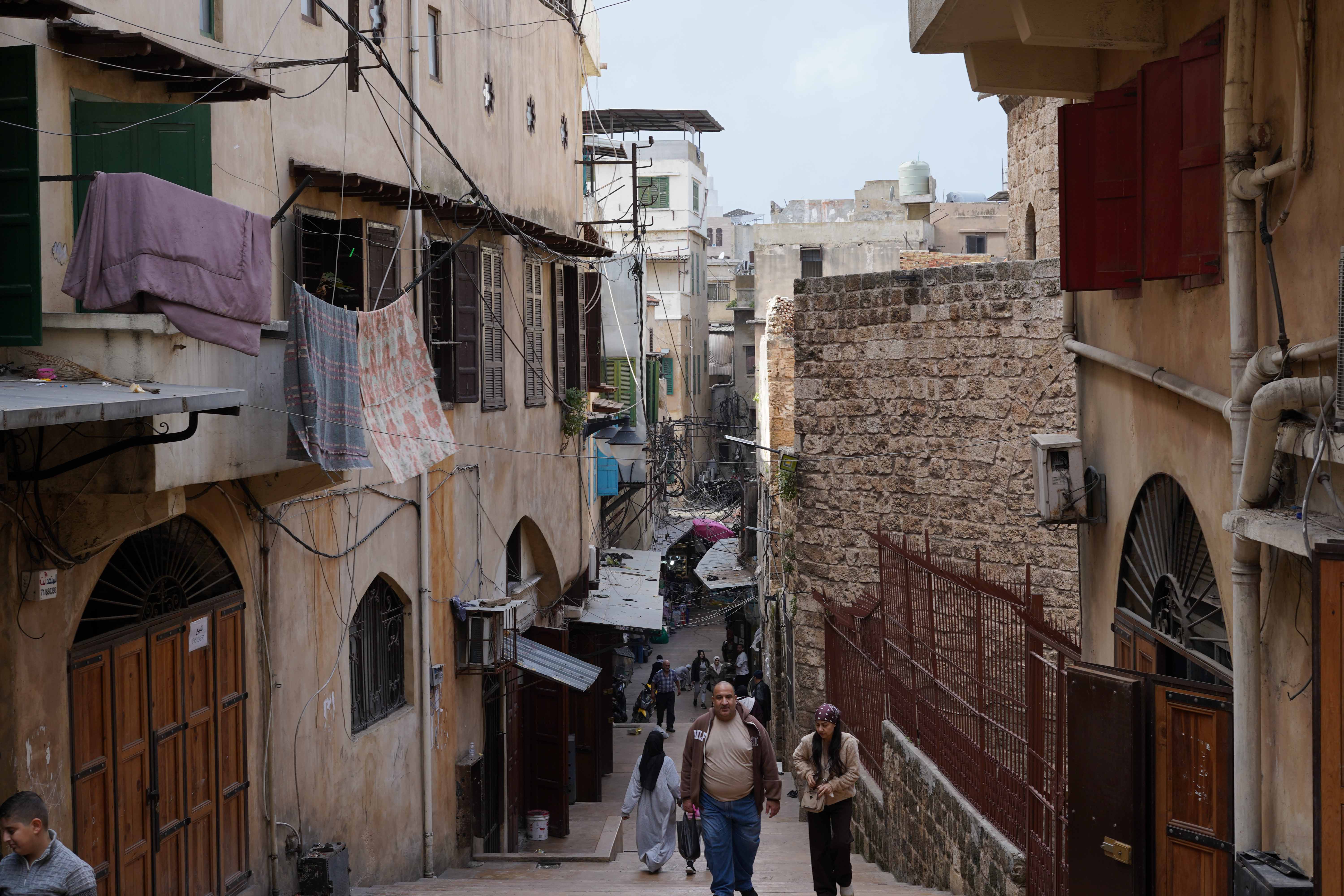
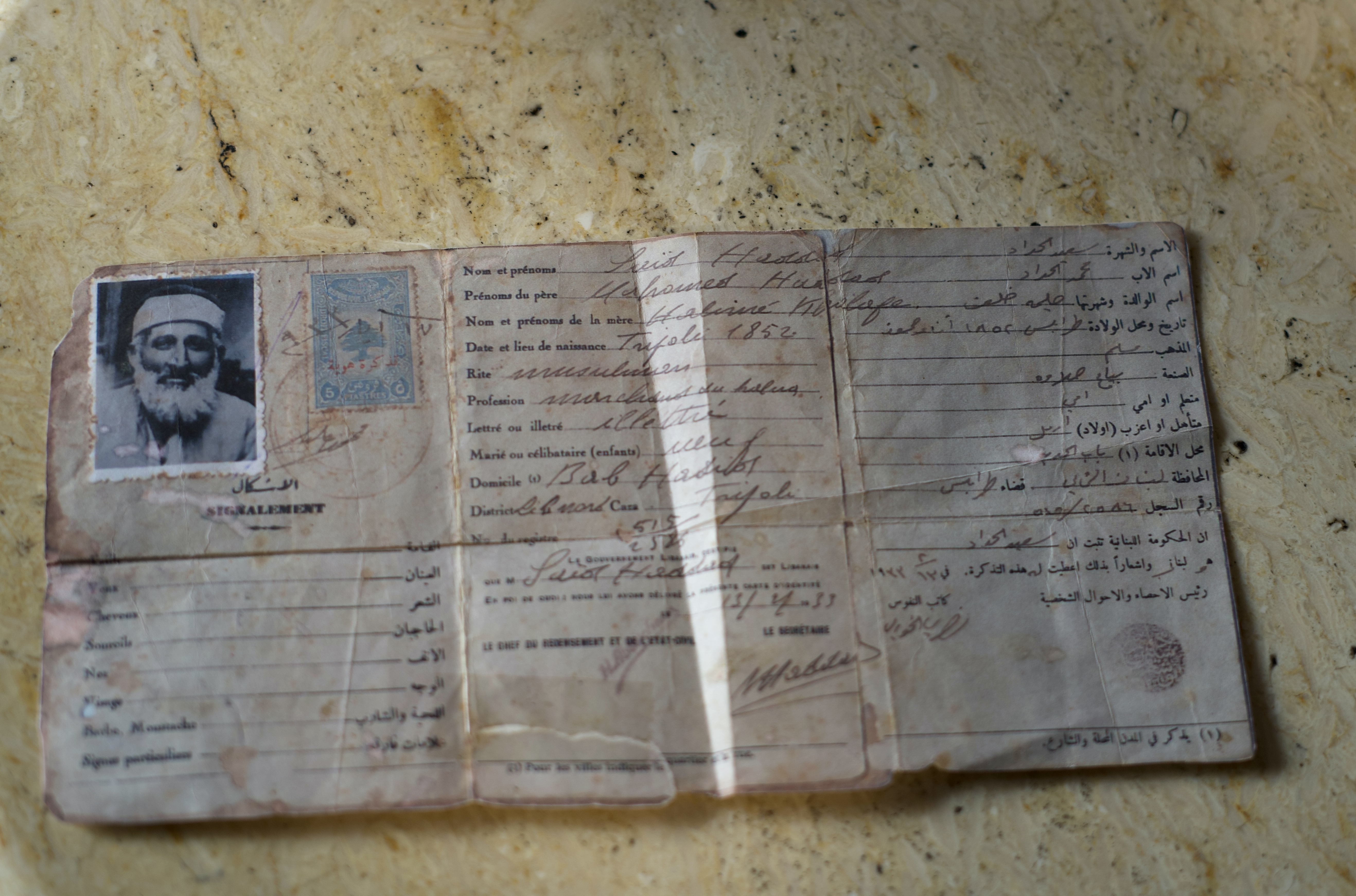
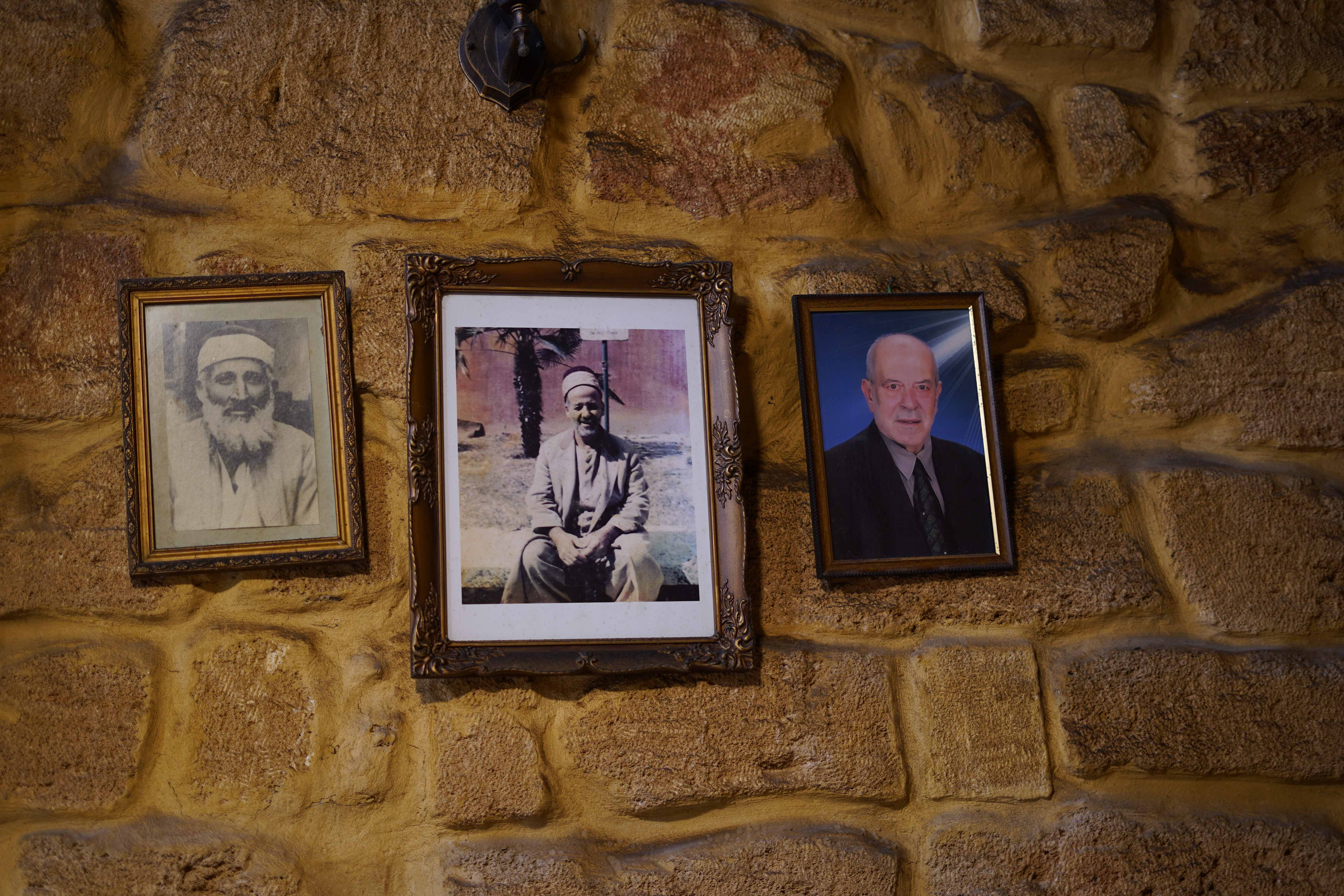
The story of Halawet Al-Shmeiseh began in 1875, in the narrow alleys of the old markets of Tripoli. Since then, the dessert shop of Haj Nouh Al-Haddad and his sons has become woven into the memory of the city and its people. The craft of making Halawet Al-Shmeiseh and Jazariyyeh has been passed down from one generation to the next for over 150 years, reaching its fifth generation today.
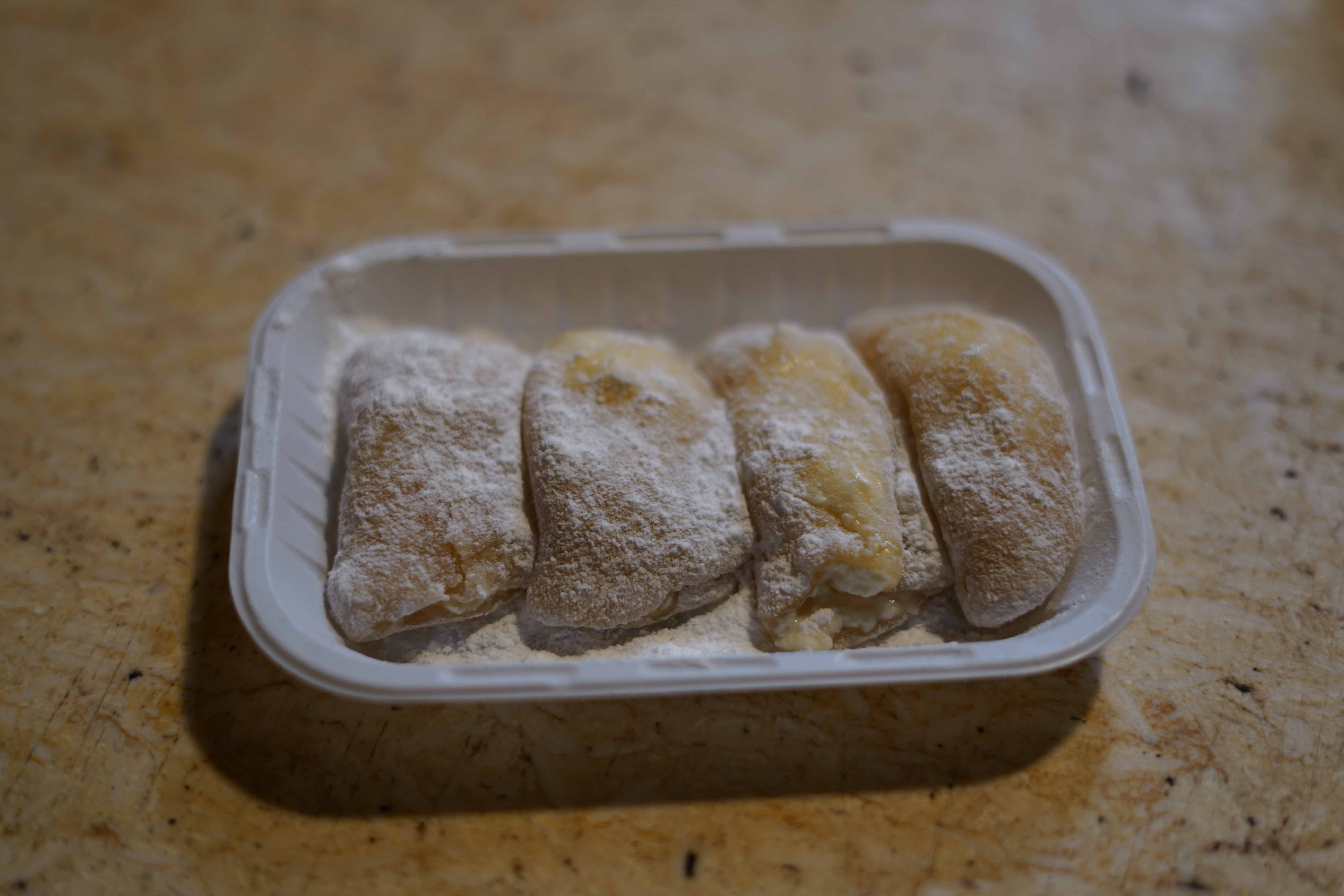
Halawet Al-Shmeiseh is made from rice and sugar, then filled with clotted cream. It has a soft white appearance, light on the outside and tender on the inside. It is popular during the month of Ramadan.
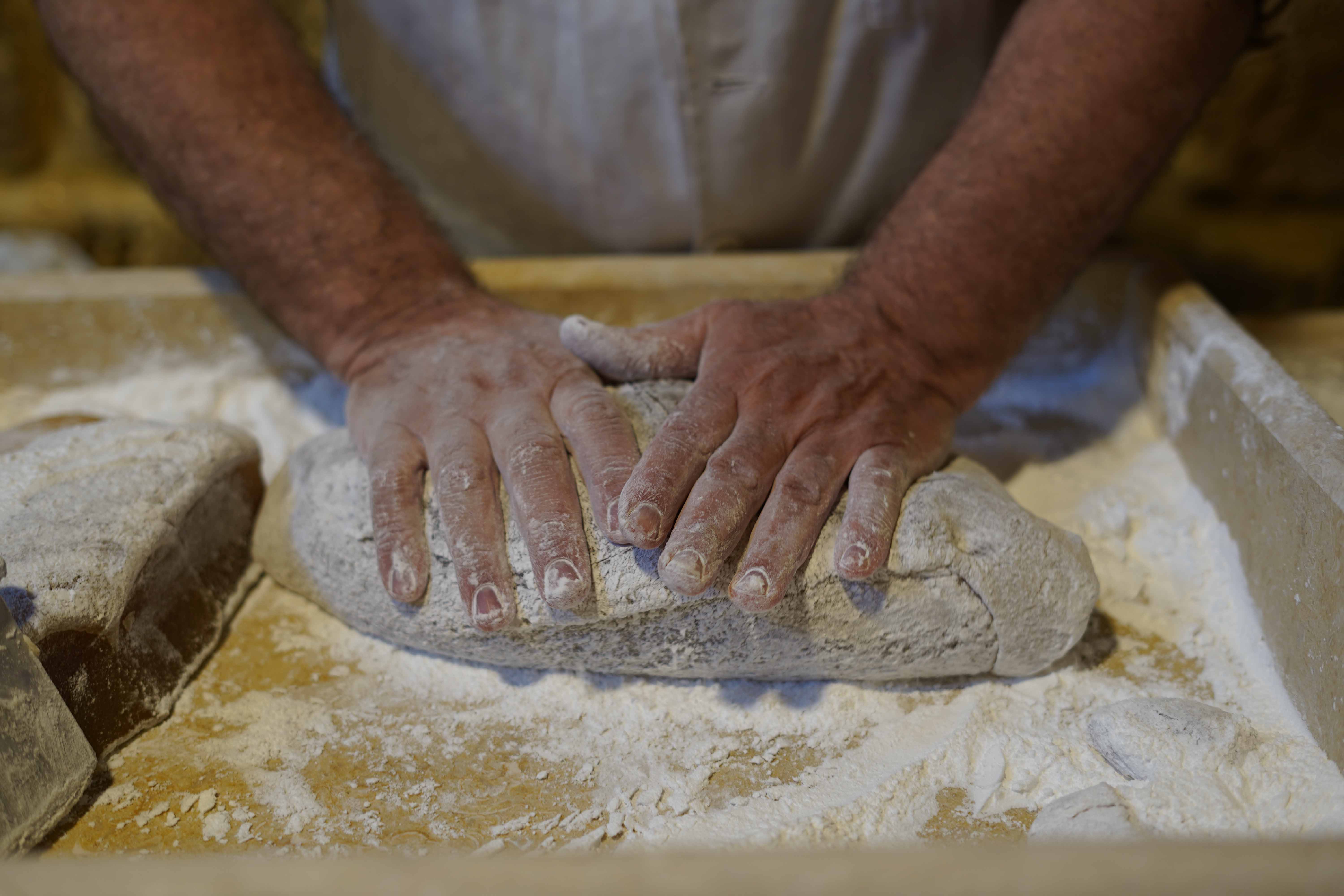
Simple ingredients, but the secret of its flavor lies in patience, precision, and care. The process involves more than five steps and requires time. As Mohammad Ali explains: “Making halawa is exhausting work. You have to keep standing, stirring it, checking on it constantly so it doesn’t burn.”
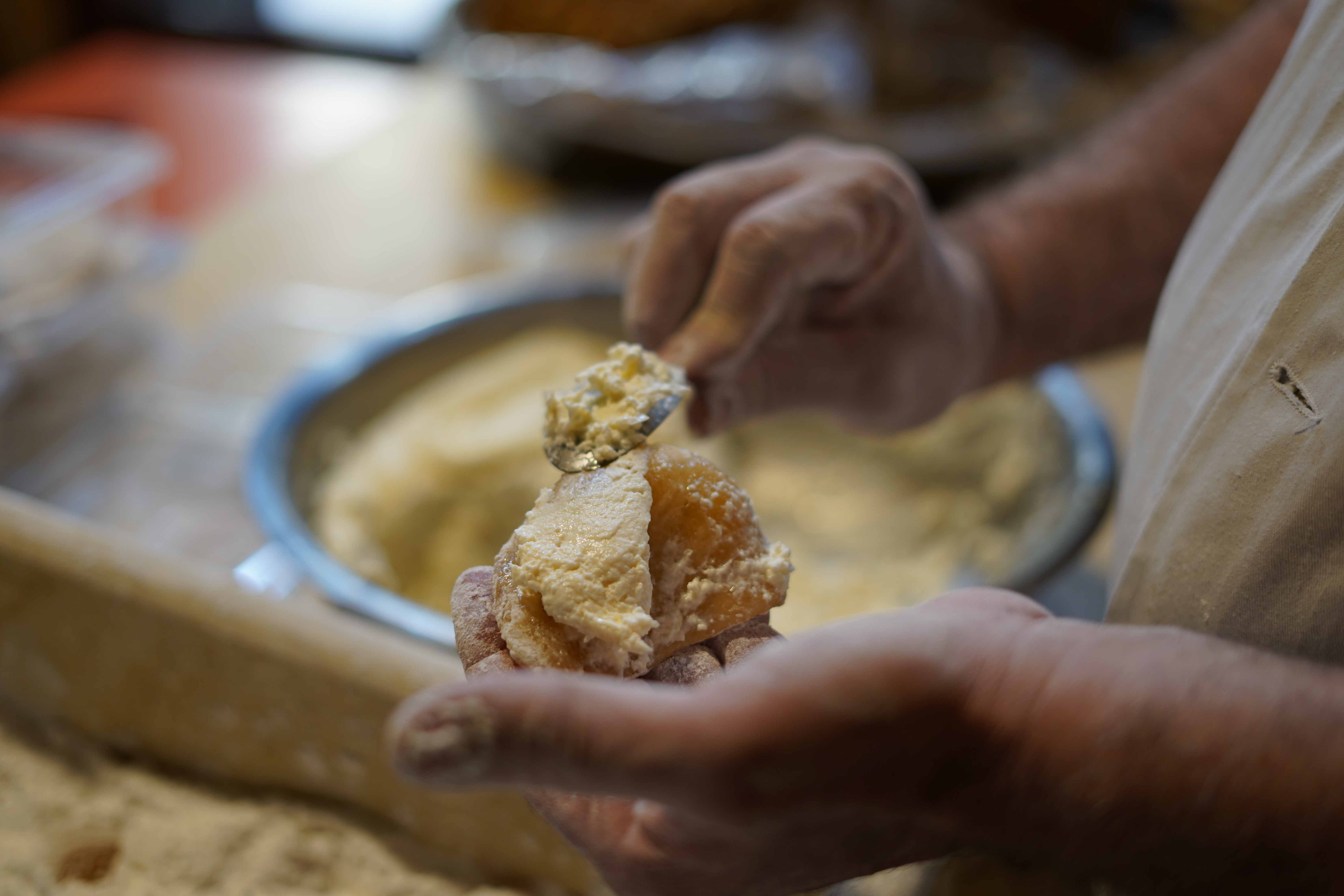
Othman Al-Haddad, who is responsible for preparing the halawa, says: “This craft needs mastery. From my grandfather’s time until today, its taste hasn’t changed. This halawa was made for us—we know how to do it.”
The women of the Al-Haddad family have also played a vital role in preserving this craft. They were an essential part of the work: Othman and Mohammad’s mother—the wife of Haj Nouh—would stand beside them, helping stir the mixture and soak the rice, while also peeling and cutting the pumpkin used to prepare Jazariyyeh.
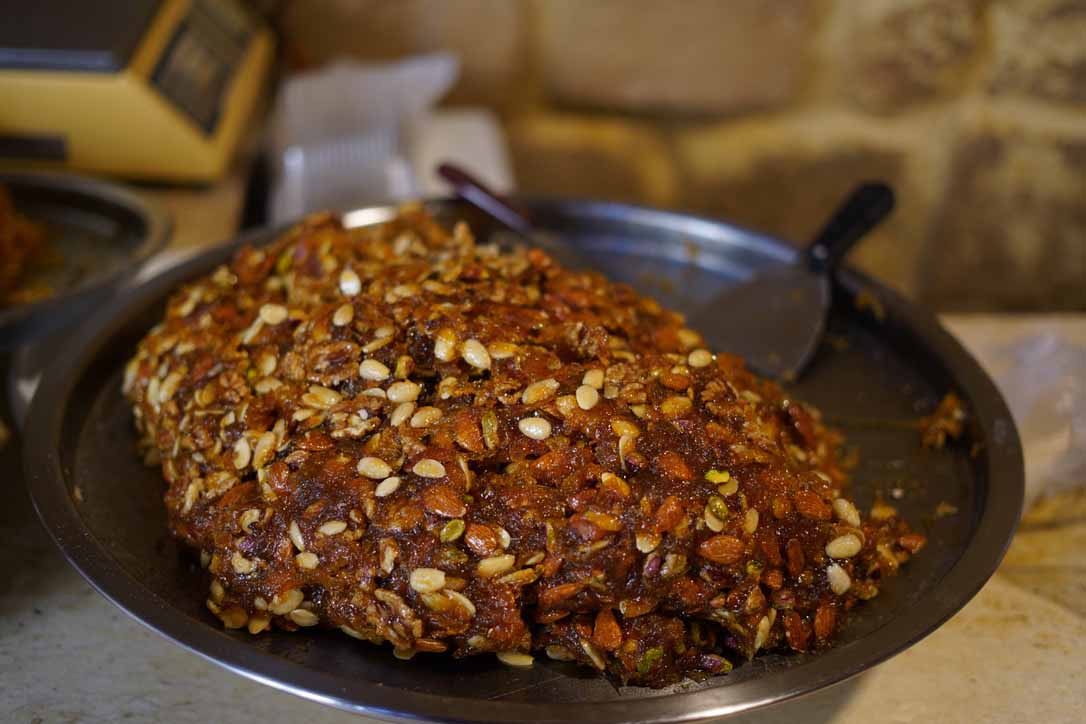
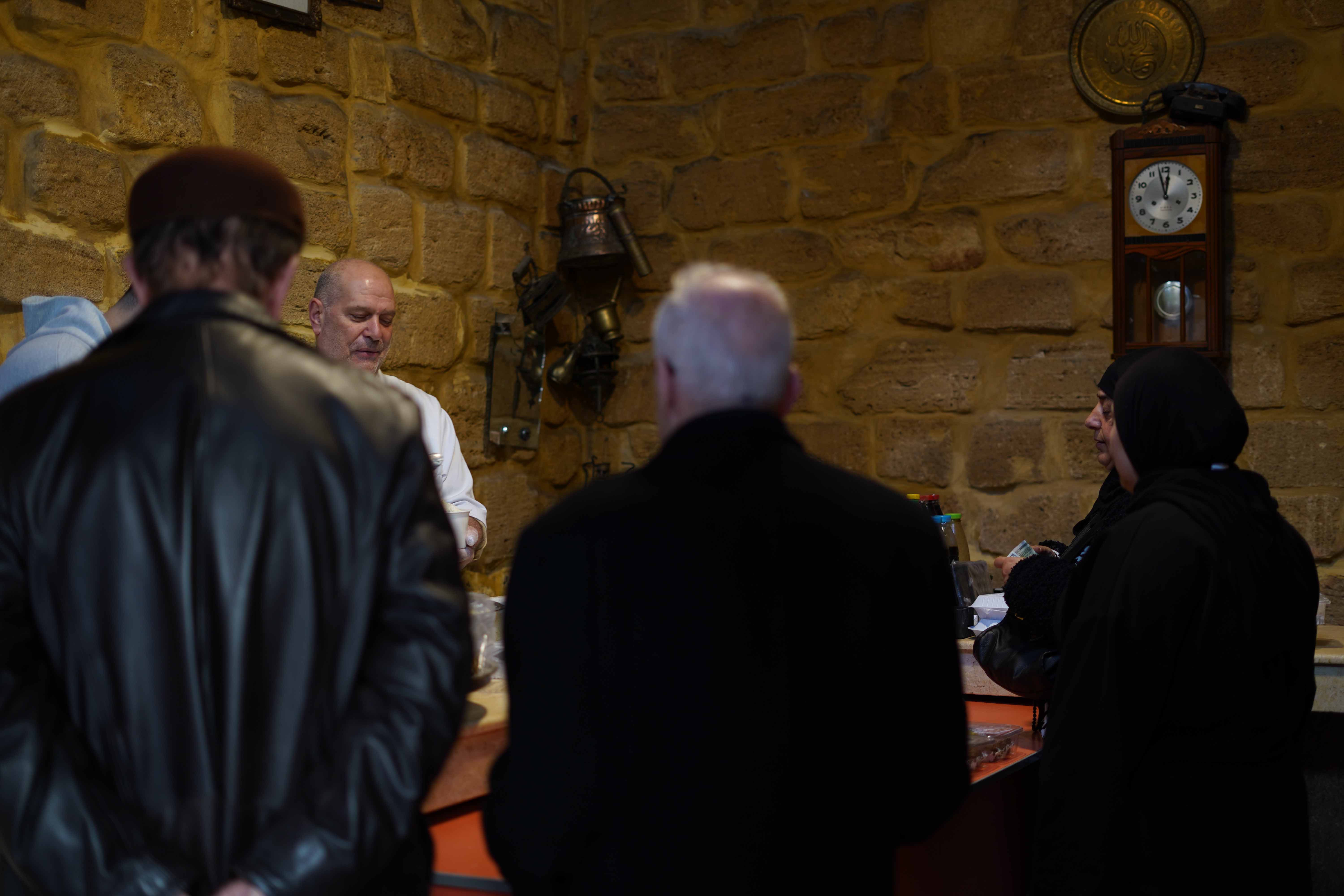
Today, Mohammad Ali is in charge of making the halawa, while his brother Othman stands in the shop, welcoming customers with a smile and offering Ramadan greetings. Othman stretches the sugar dough, cuts it evenly, fills it with fresh cream that balances the sweetness, and finally dusts it with powdered sugar.
As for me, Halawet Al-Shmeiseh is a reflection of Tripoli and my childhood. I carry Halawet Al-Shmeiseh with me every time I leave Tripoli to share it with my friends outside the city. Yet throughout the journey, I keep thinking about the cream hoping it arrives safely and doesn’t spoil along the way.