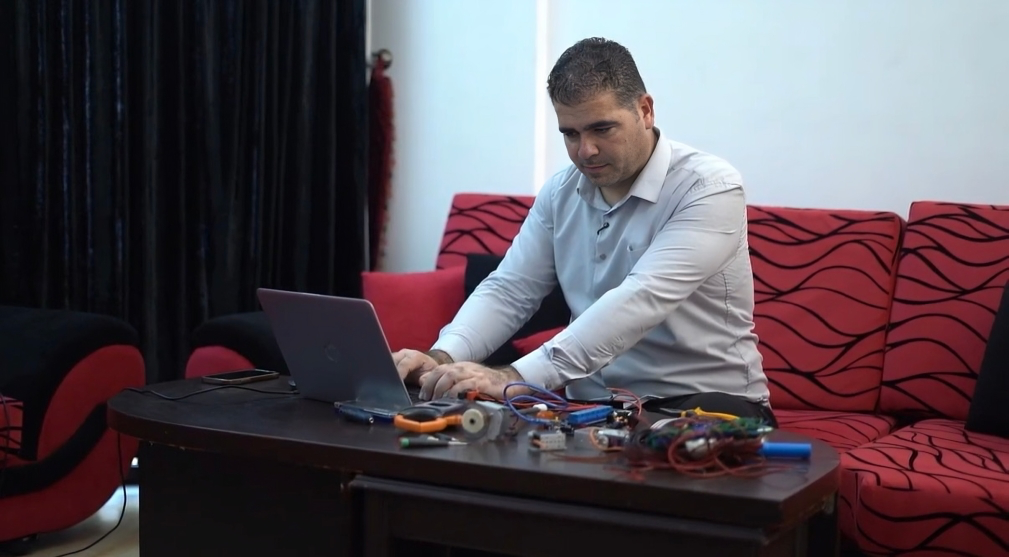
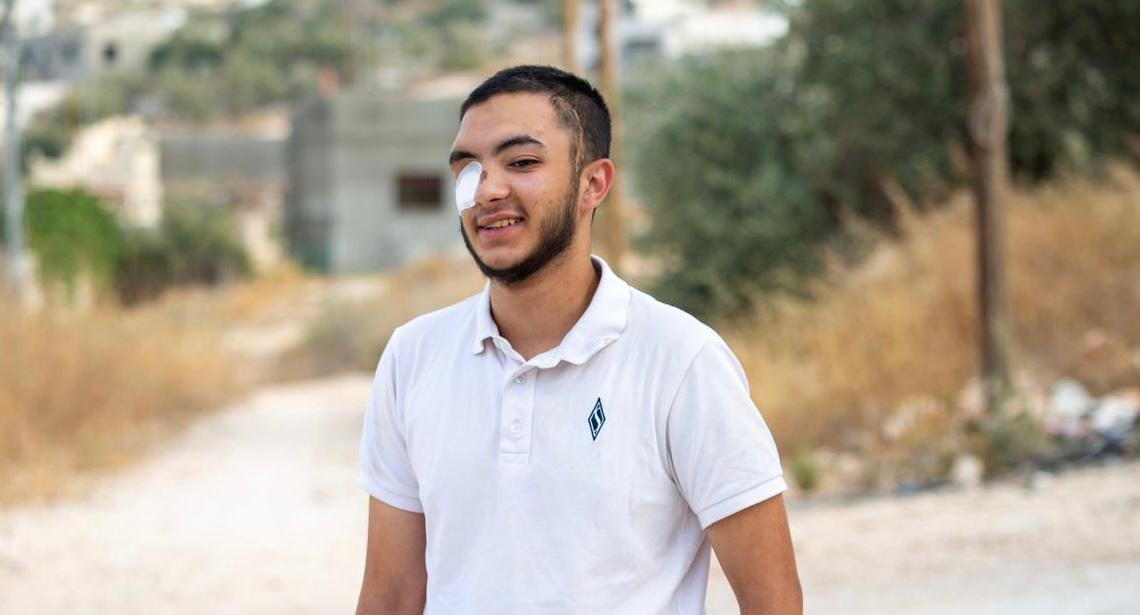
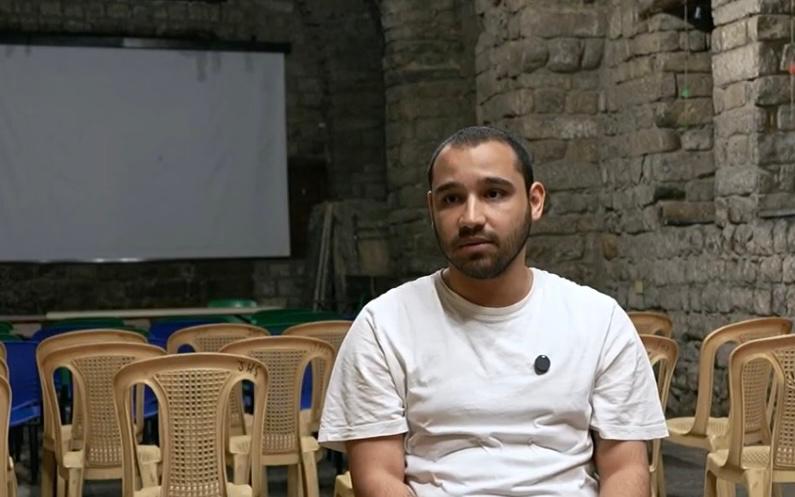
Oday and Hassan gather in Adloun, their coastal village in southern Lebanon, to spend the day. They chose to stay, despite Israeli warnings that have targeted all the villages from the southern border up to the Zahrani River, as well as areas in Beirut, its southern suburbs, and the Beqaa Valley.
At noon on April 6, Hassan brought his aunt from Beirut to visit Adloun for a single day before being displaced again. An eighty-nine year old woman—recalls Tarbikha, one of the seven occupied Lebanese villages, on whose ruins the settlement of Shomera was established. Hassan’s grandfather had been displaced from there during the Nakba in 1948.
She remembers her father’s large house and says that she heard years ago that the house he built in Tarbikha is still there. She speaks of her family’s life: in farming, herding sheep and camels, and memories of Marwahin, a southern border village they fled to before it too was occupied by Israel for years in the past. From there, they sought refuge again in Adloun, which became their third village.
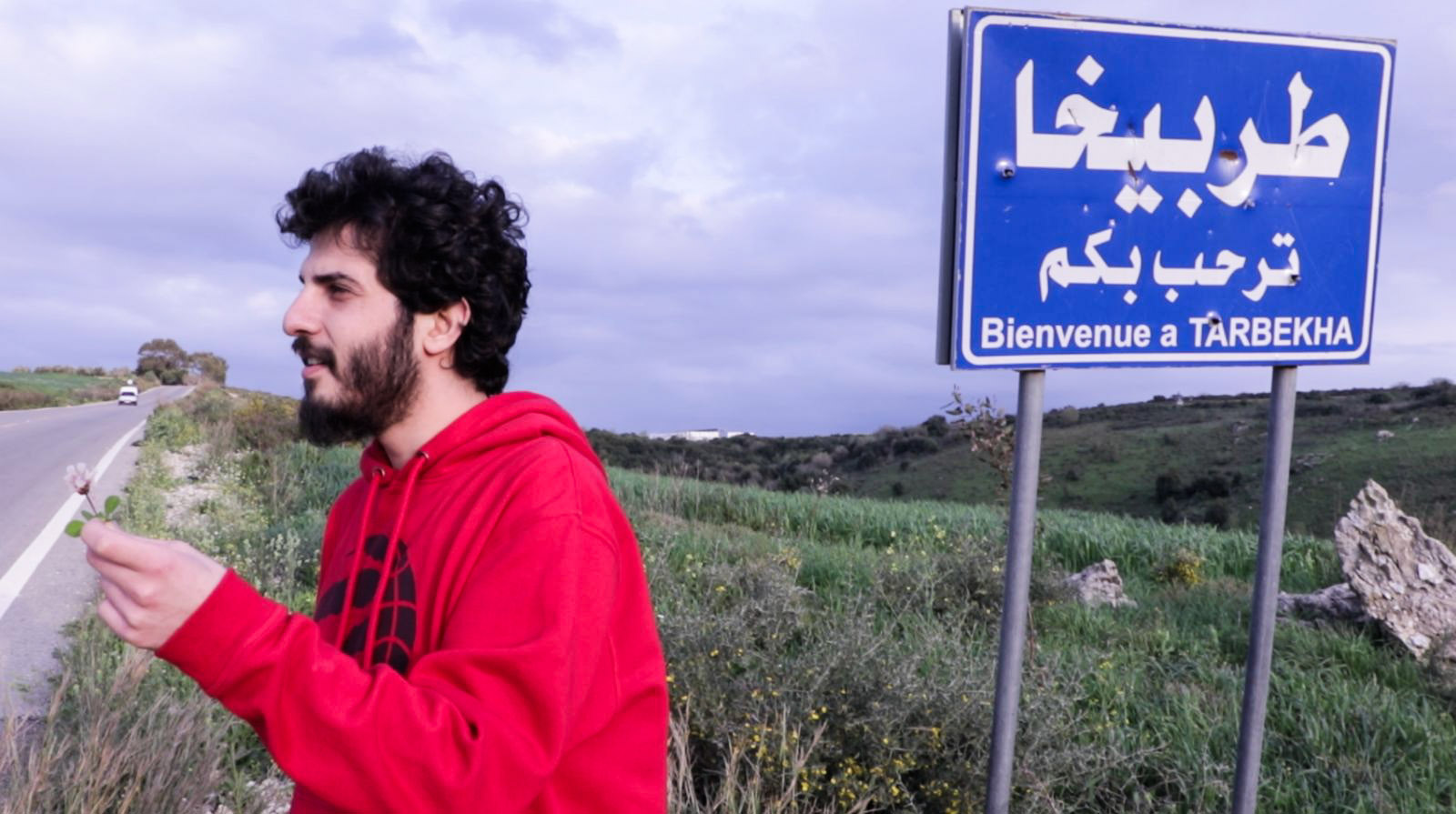
She ends her memories simply: “Oh God… God is generous.”
Hassan replies with certainty, “We’re going back. We’re going back. I’m telling you—we’re going back to Tarbikha.”
She answers, “God willing. I’d go barefoot if it’s true.”
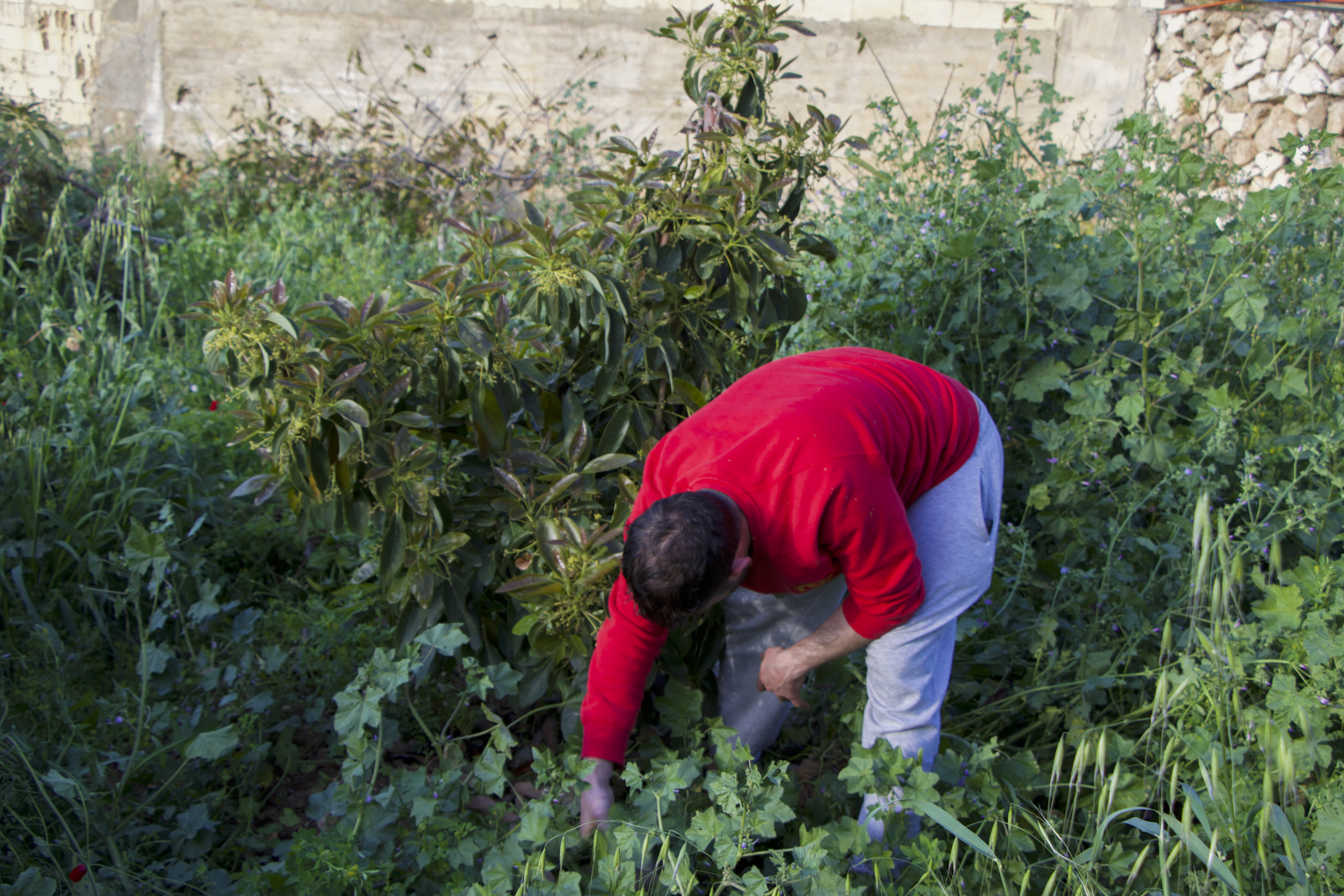
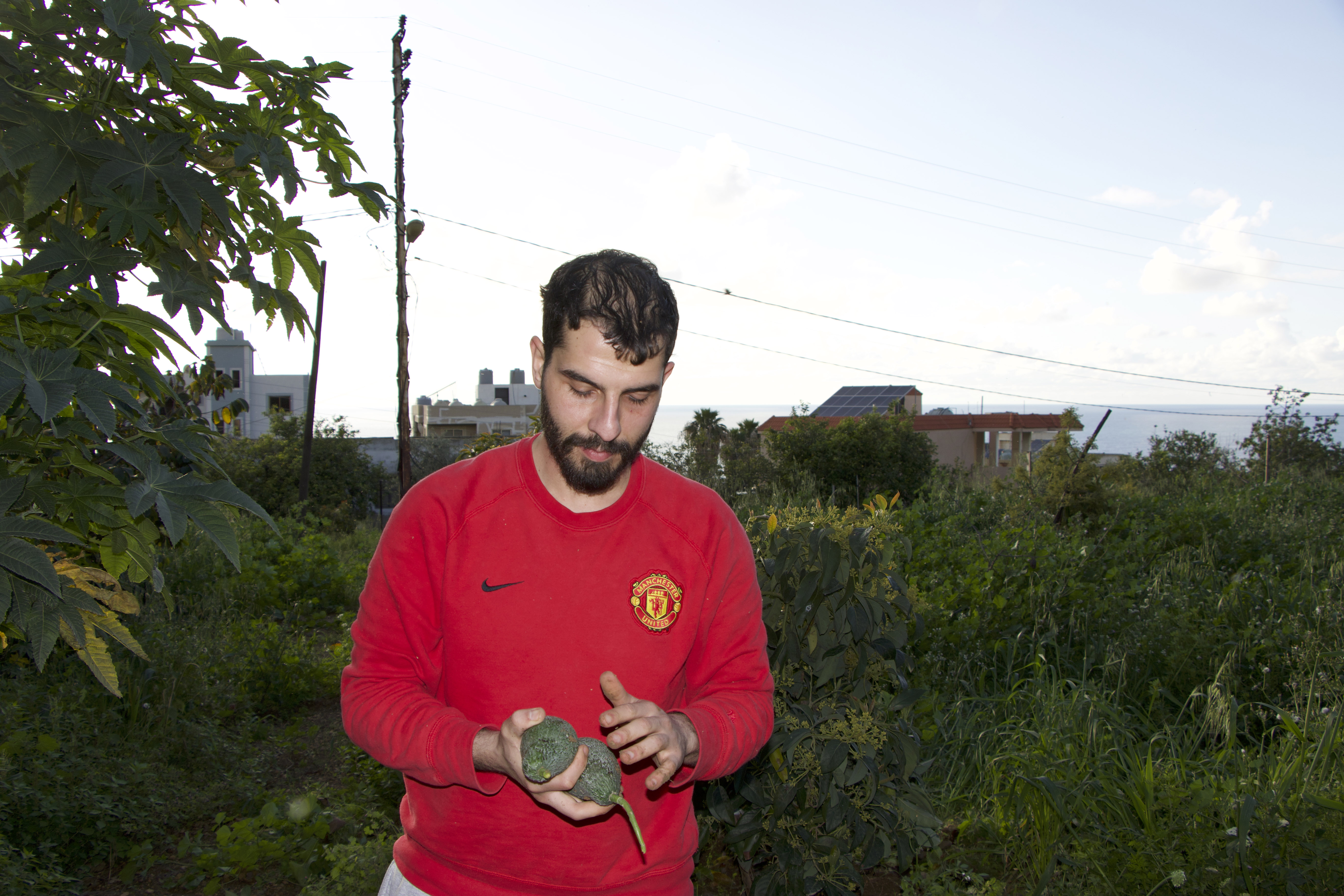
Later, Hassan meets Oday, who has also decided not to leave Adloun during this war—unlike the previous one a year and a half ago. The main reason is work. This month is heavy with preparations for the upcoming agricultural season—bananas and avocados. Oday stayed despite the warnings affecting the area around Adloun because, as he says, “This psychological warfare they’re waging—we’re not falling into its trap that easily.” He wakes up, goes to work, helps farmers in the fields, and spends the rest of his day at home, moving between the news and meetings with friends who also refused to leave.
.jpg)
Around sunset, the village turns into a ghost town. Everyone is indoors, preparing for a night dominated by the sounds of warplanes and the constant buzzing of drones.
Hassan returns home. Barely ten minutes pass before the Israeli army issues a warning naming villages south of the Zahrani—including Adloun. Panic spreads through the house as his family prepares to leave, fearing random airstrikes may begin at any moment. Hassan’s family leaves, but he stays behind, slowly gathering his belongings, unconvinced that he should leave.
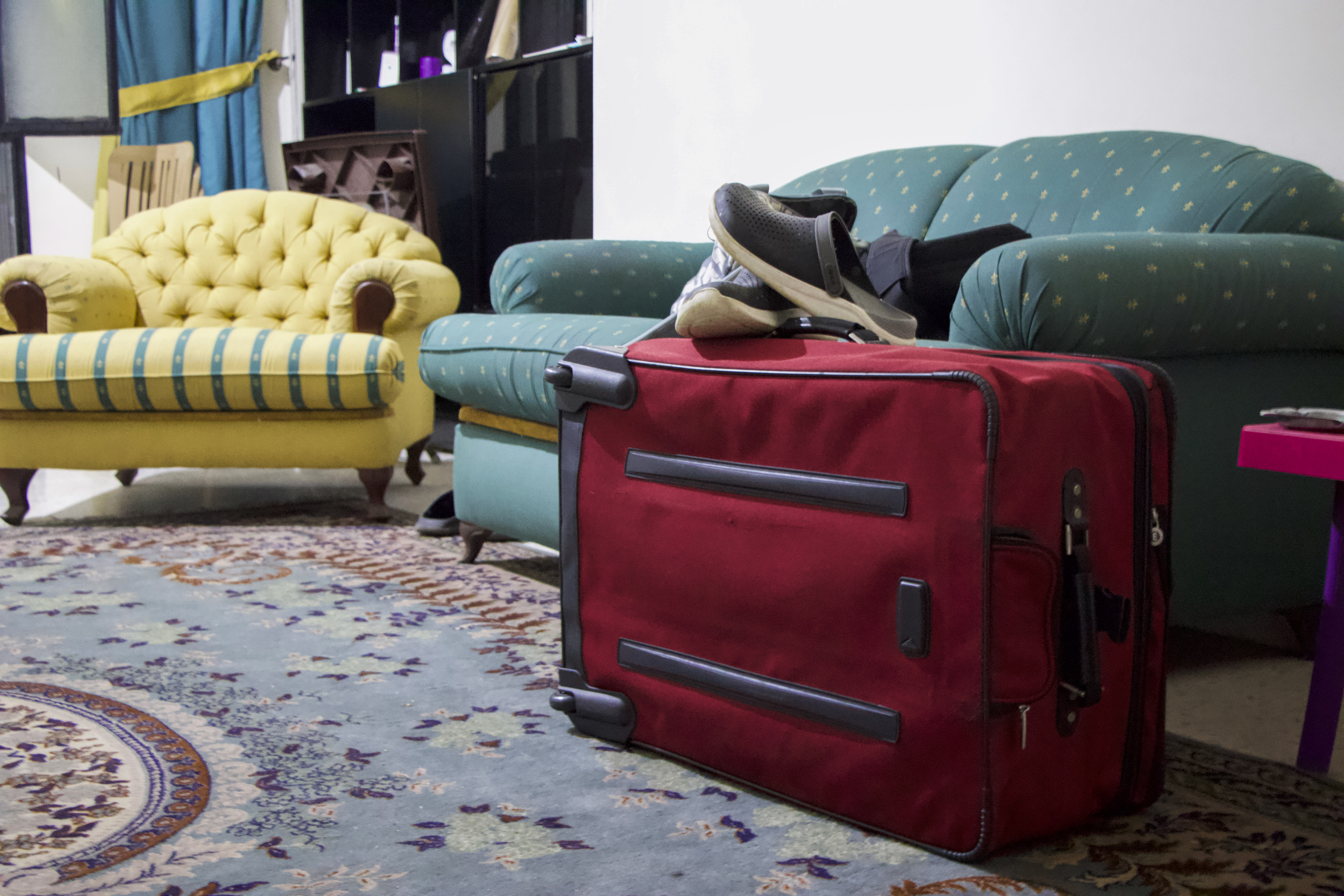
He hears aircraft overhead and strikes hitting nearby villages. He repeats to himself: “These warnings—between north of the Litani River and south of the Zahrani—are meant to push people out of their villages. The goal is to empty them of their residents.”
He refuses to comply. He leaves for just one night—returning in the next morning.