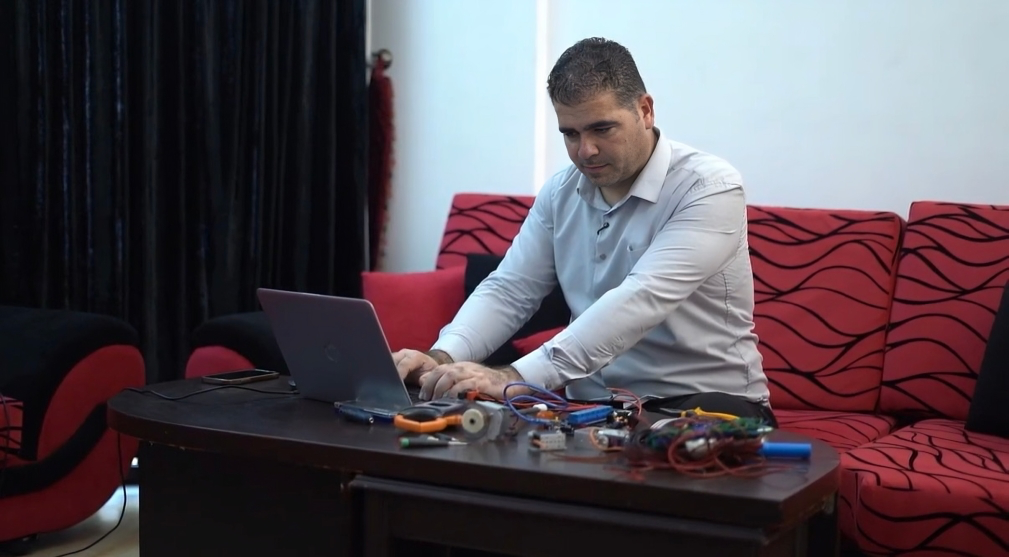
For eight years, Shehdeh Zarab lived between Libya, Tunisia, Algeria, Sudan, and Egypt. He could have built a stable life away from war and fear, but he chose to return to Gaza, the place he says has always lived inside him no matter how far he traveled.

He returned because he could not imagine life away from Beit Lahia. But the Israeli war on Gaza changed everything. Only months before the war began, Zorab had traveled to the West Bank and found himself stranded in Qalqilya, separated from his wife and five children—his only son and four daughters—while his heart remained in Gaza with the sea, his home, and his family.
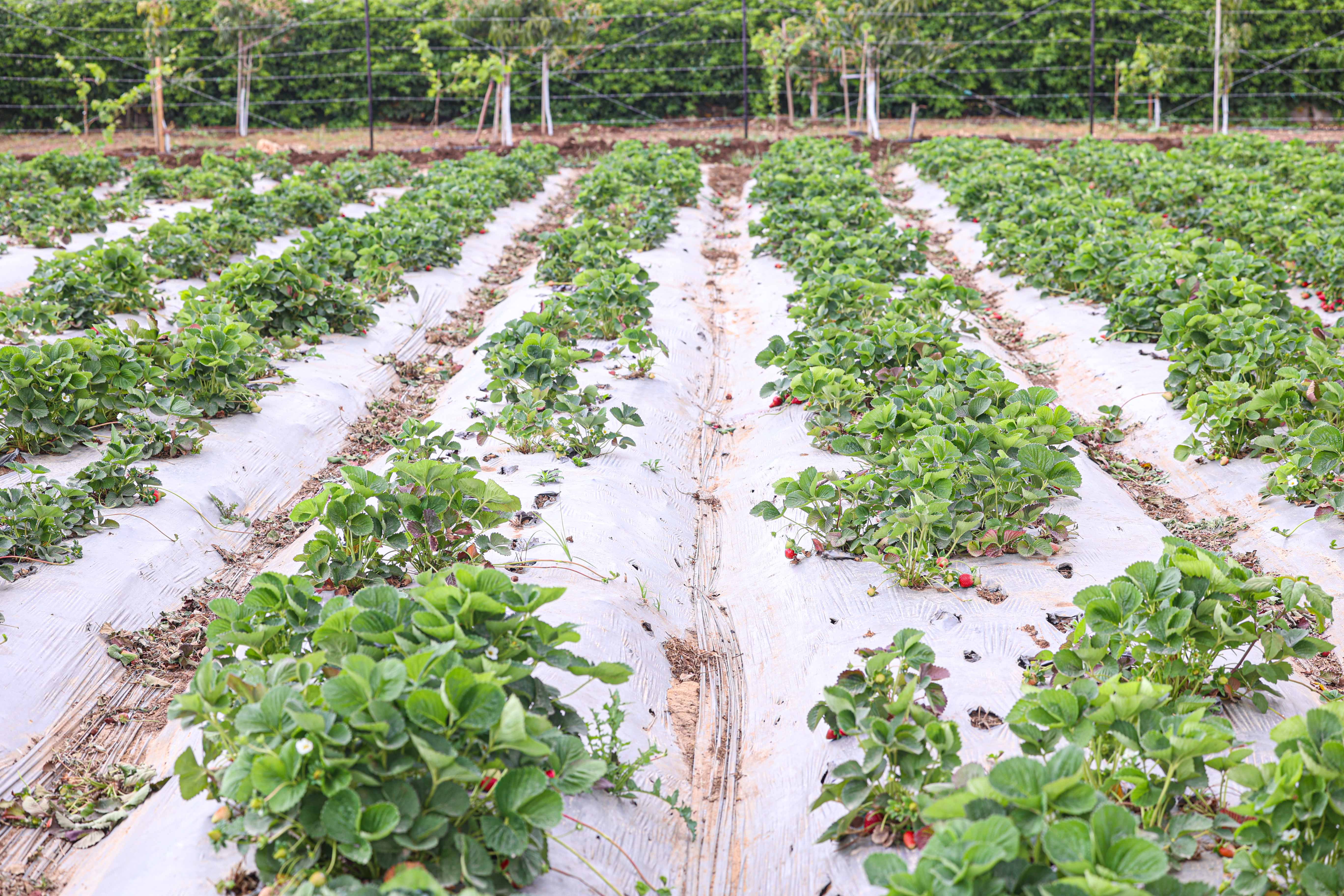
In Qalqilya, he held onto one idea: to start again through the land. He decided to grow Gaza’s strawberries, a crop that had nearly disappeared from Palestinian markets after the destruction of Gaza’s agricultural sector during the war. In their place, settlement products began filling the markets instead of the strawberries Gaza once exported worldwide.
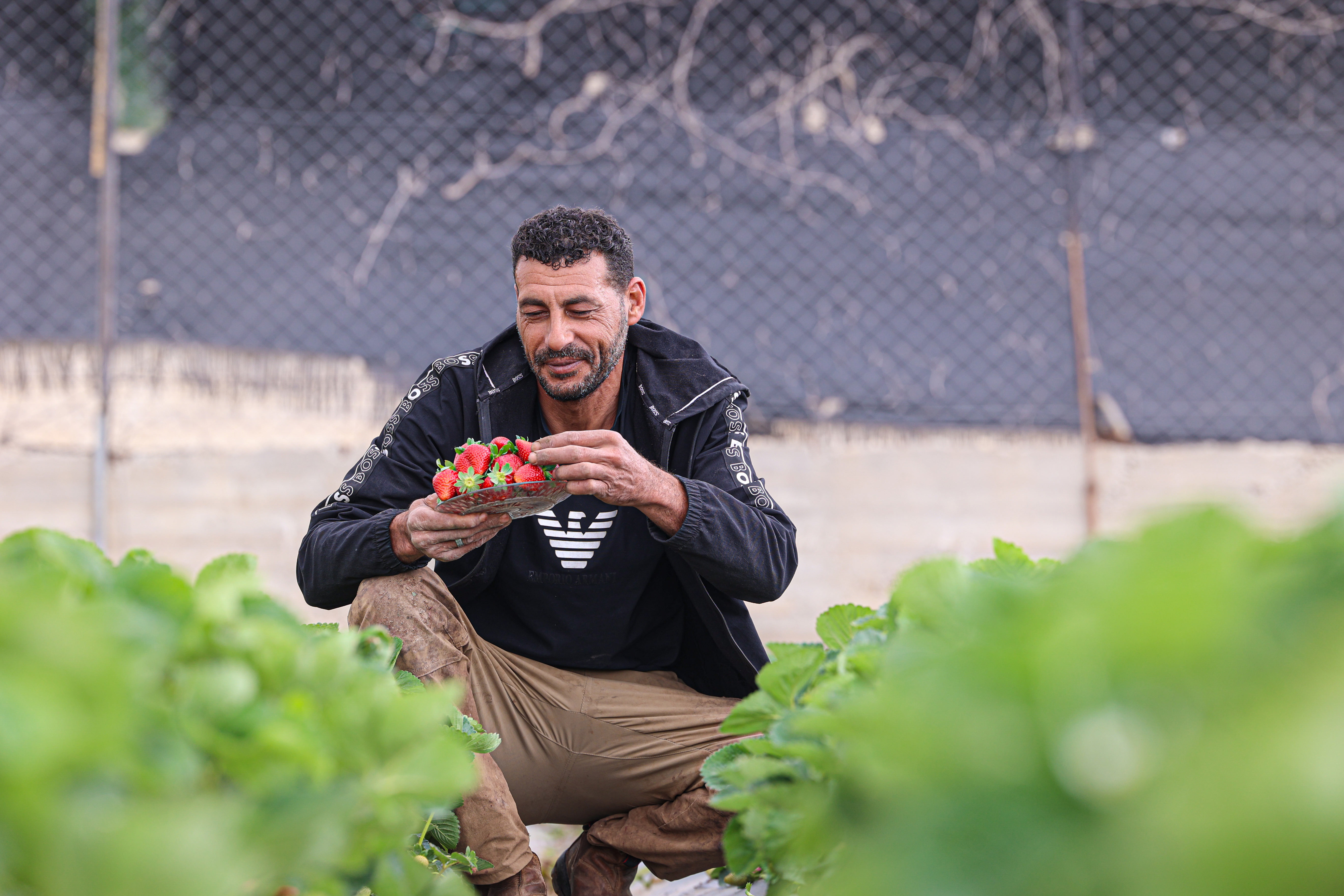
Zarab did not learn strawberry farming from books or agricultural courses. He inherited it from his father and grandfather, who farmed strawberries in Beit Lahia and Khan Younis. For him, strawberries are not simply a crop, but part of family memory and identity.
He says:
“Gaza once exported strawberries to the whole world. Today, because of the war, Gaza cannot export even a single berry.”
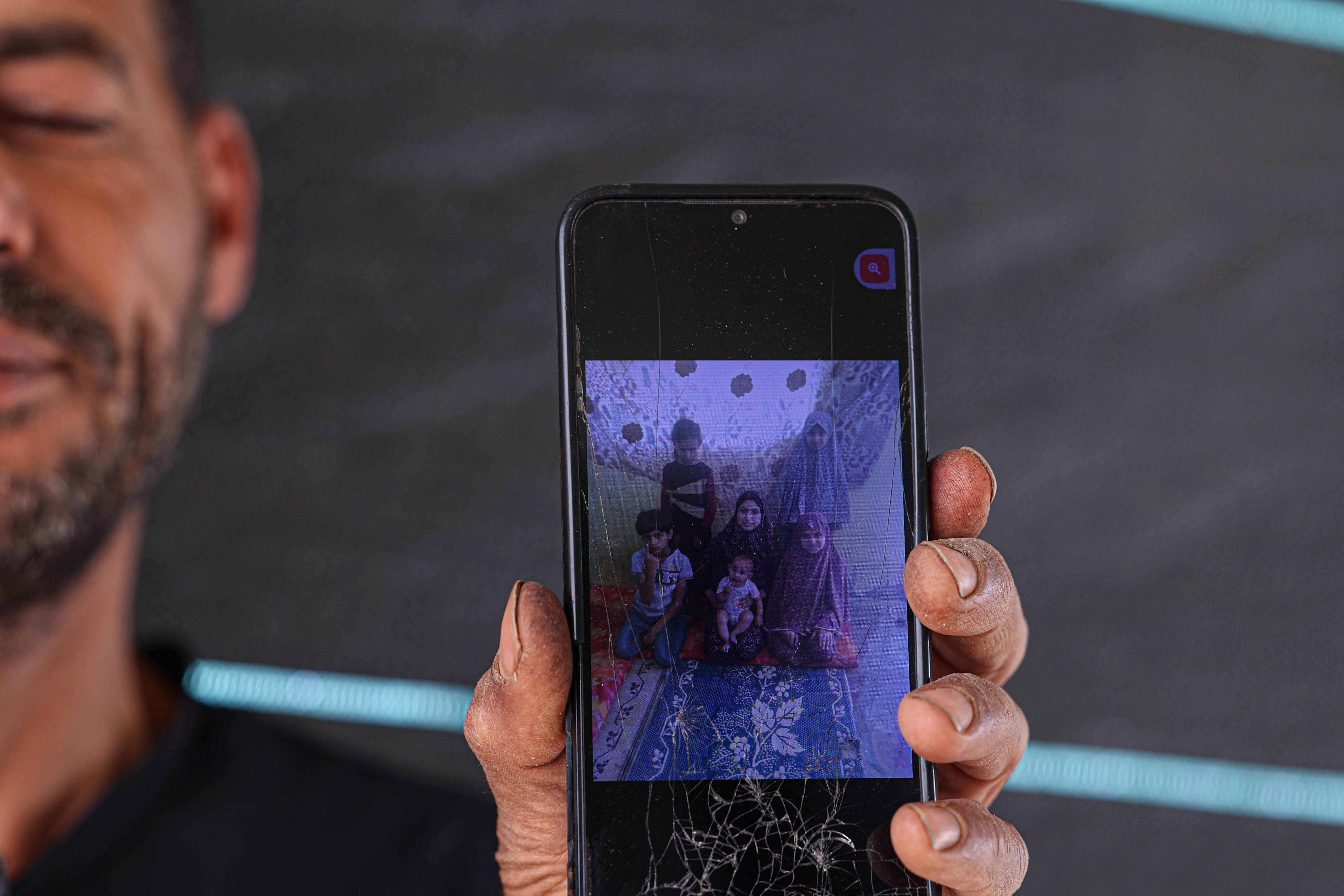
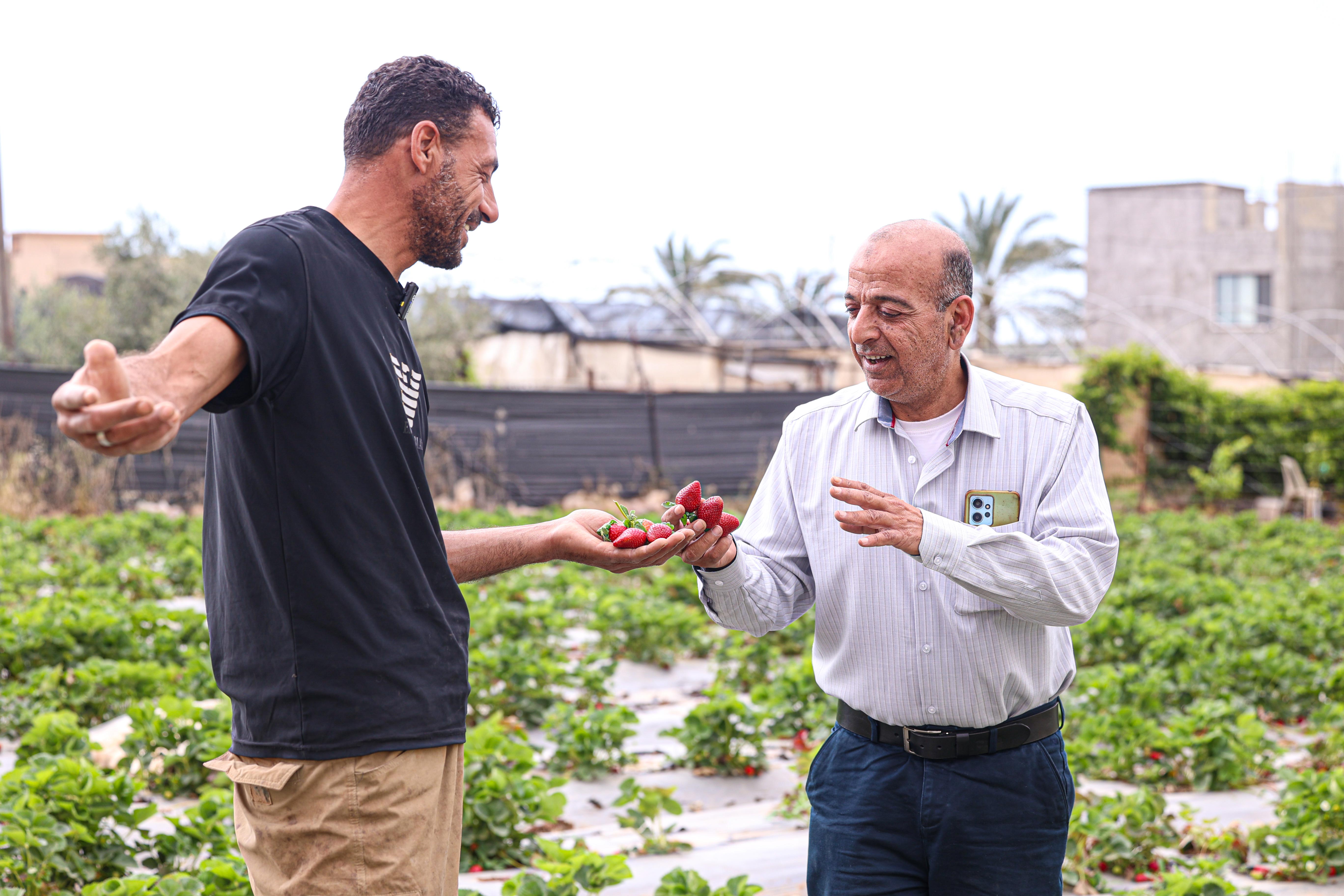
On two dunams of land, Zarab began his first farming experiment using only natural organic fertilizer without pesticides or chemical fertilizers. Despite limited resources, the project succeeded, giving him hope that he could bring a small part of Gaza back to life.
He now dreams of expanding the project next year and cultivating strawberries on a much larger scale. He believes Palestinian land is rich and capable of providing alternatives to settlement products if people remain connected to it and continue caring for it.
.jpg)
Yet despite his work in the fields, homesickness follows him daily, especially during phone calls with his family. In one conversation, he called his son to check on them and asked where they were. His son replied, “We’re by the sea, Dad.” Zarab paused before quietly saying, “I miss Gaza and its sea so much.”
That sea, where he left behind his memories and life, continues to live within him despite the distance and war.
During the war, Zarab lost more than 170 members of his extended family. Still, he sees the people of Gaza as a model of resilience and hope. He recalls how his daughter got married during the bombardment, saying:
“My daughter got married by the sea while they kept me on a video call. Warplanes, naval attacks, and tanks were firing all around them, yet they insisted on life and joy despite everything.”
With every phone call from Gaza, he feared hearing devastating news about his children. Each time, they survived by miracle, while he remained stranded in the West Bank trying to support them and hold onto life through the land.
.jpg)
Zarab says:
“This land holds a divine secret only those who live in it can understand.”
Between the strawberry fields he planted in Qalqilya and his endless longing for Gaza’s sea, Zarab continues building a temporary life while waiting for the day he can return home and reunite with his family on the land he believes he was born to belong to.